

 設置イメージを表示
 シェアする
シェアする シェアする
シェアする
 詳細を見る
詳細を見る ガイドを表示

 ダウンロード
 似ている作品
 X線調査
X線調査 スライドショーを表示
 Q&A
Q&A 統計情報
統計情報Crossing the Bridge

- 59.0 x 72.0 cm


 詳細を表示
詳細を表示
ジークレー/アートプリント
スピーディーな制作と多彩な仕上げオプションが魅力の、ミュージアムクオリティなジークレー・キャンバスプリント。 ( 手描き複製画を注文する デジタル画像販売へ切り替え)




P118B ¥10

P118H ¥10

P118W ¥10

P438Z ¥10

P508JH ¥12

P508YH ¥12

P805H ¥10

P805Z ¥10

P919BZ ¥10

P919G ¥10

P919XJ ¥10

P959ZH ¥10

P968JZ ¥12

W106C ¥8

W218G ¥10

W218JH ¥8

W218Y ¥10

W307PJ ¥10

W316G ¥10

W316PJ ¥8

W316Y ¥10

W398PJ ¥8

W4111J ¥10

W500HY ¥15

W500JH ¥15

W692G ¥12

W849H ¥8

W940BG ¥15

W953PJ ¥8




作品のオリジナル比率に合わせた、当店の規定サイズからお選びください。

額縁や壁のスペースに合わせて、ご希望の幅と高さを入力してください。プリントはカットすることは可能ですが、元の画像より大きくすることはできないため、異なる比率のサイズを選択された場合は、画像の一部が欠けることになります。印刷を開始する前に、内容を確認していただくためのデジタルモックアップをお送りいたします。このページに表示されている画像は、実際のカット後の状態を示すものではありません。実際の仕上がりはモックアップにてご確認ください。


 ガラスオプションは、110cm未満のサイズでのみご利用いただけます。

Crossing the Bridge
ジークレー/アートプリント
複製画サイズ一覧
-


合計金額
¥ 9954
A Pastoral Dream in Pastel: The Enchantment of Crossing the Bridge
In the soft, luminous glow of the 18th century, few artists captured the ephemeral beauty of a summer afternoon as masterfully as François Boucher. His work, "Crossing the Bridge," serves as a breathtaking window into the Rococo era—a period defined by an unapologetic pursuit of grace, leisure, and aesthetic delight. At first glance, the viewer is transported to an idealized countryside, where the stresses of urban life dissolve into a tranquil tableau of pastoral serenity. A woman, moving with effortless poise, leads her horse and sheep across a weathered stone bridge, her journey mirrored by the slow, rhythmic presence of grazing cows and a watchful dog. This is not merely a landscape; it is a carefully orchestrated symphony of movement and stillness, designed to evoke a sense of profound peace and aristocratic nostalgia.
< p>The composition itself is a masterclass in balance and visual storytelling. Boucher employs a sophisticated pyramidal structure, anchoring the eye with the imposing silhouette of a majestic castle perched atop a distant hillside. This architectural weight provides a sense of permanence that contrasts beautifully with the fleeting, delicate nature of the foreground elements. The bridge acts as more than just a physical path; it serves as a narrative conduit, guiding the observer’s gaze from the intimate details of the animals and the traveler toward the grand, aspirational heights of the fortress. Through this clever arrangement, Boucher creates a sense of depth that invites the viewer to step into the canvas, wandering through the lush greenery and feeling the warmth of the sun-drenched landscape.Technique and the Radiance of Rococo Light
To behold "Crossing the Bridge" is to witness the pinnacle of Rococo technique. Boucher was a virtuoso of trompe l'oeil effects, utilizing meticulous layering of pigments to breathe life into textures that feel almost tactile. One can almost sense the coarse wool of the sheep, the sturdy grain of the stone bridge, and the velvet softness of the meadow grass. His palette is famously ethereal, dominated by a romantic spectrum of pinks, peaches, and lavenders. These pastel hues do not merely decorate the scene; they bathe it in an atmospheric light that softens the edges of reality, creating a dreamlike quality that is both captivating and soothing.
The artist’s brushwork remains a subject of profound admiration for collectors and historians alike. While his strokes are delicate enough to capture the subtle gradations of a cloud or the gentle ripple of water, they possess an underlying confidence that lends the scene its vitality. This balance between precision and fluidity is what allows the painting to transcend mere imitation of nature, instead offering an elevated, idealized version of it. For the interior designer or the discerning art lover, this piece offers a unique opportunity to introduce a sense of historical grandeur and luminous warmth into a space, acting as a focal point that radiates elegance and timeless charm.
A Legacy of Elegance for the Modern Collector
Beyond its aesthetic brilliance, "Crossing the Bridge" carries the weight of historical significance. Created in 1730, during the reign of Louis XV, the painting reflects the cultural values of a society that found beauty in the pastoral and the idyllic. The inclusion of livestock is not merely incidental; it pays homage to the agricultural foundations of French life, reimagined through a lens of aristocratic refinement. It is a celebration of a world where nature and civilization exist in perfect, harmonious equilibrium.
For those seeking to adorn their homes or galleries with works of profound emotional impact, a high-quality reproduction of this Boucher masterpiece offers more than just decoration. It provides an infusion of culture and a constant reminder of the enduring power of beauty. Whether placed in a sunlit morning room or a sophisticated study, "Crossing the Bridge" continues to inspire awe, offering a quiet sanctuary of color and light that remains as relevant and enchanting today as it was three centuries ago.
Q&A
フランソワ・ブーシェ作「Crossing the Bridge」は、明るい印象の作品ですか、それとも暗い印象の作品ですか?
全体として、「Crossing the Bridge」の明るさはshadowと記録されています。知覚的な明るさとは、作品がどの程度明るく、あるいは暗く感じられるかを表すものです。
Living Roomに「Crossing the Bridge」を飾る場合、どのサイズがおすすめですか?
フランソワ・ブーシェ作「Crossing the Bridge」 におすすめの組み合わせ:Living Room に飾るのに最適な Medium サイズのプリント。
フランソワ・ブーシェ作「Crossing the Bridge」は、どのような色彩の調和を見せていますか?
フランソワ・ブーシェ作「Crossing the Bridge」は、Discordant Paletteな色彩の調和を見せています。
関連作品


作家プロフィール
幼少期、家族、そして修業時代
活気あふれるフランス、パリの喧騒の中で、フランソワ・ブーシェの物語は1703年9月29日に幕を開けました。彼は、視覚芸術がすでに生活の一部となっていた家庭に生まれました。父ニコラ・ブーシェはレースデザイナーとして生計を立てており、その環境下で育った彼は、幼い頃から模様やデザインの複雑な機微に触れてきました。こうした経験は、彼がまだキャンバスに筆を置くずっと前から、細部に対する鋭い審美眼を養うことにつながったのでしょう。父から授けられた最初の教えは、競争の激しいパリの芸術界を生き抜くために不可欠な、基礎的な技術を彼の中に深く刻み込みました。
少年が成長するにつれ、その類まれな才能は、すでにその道で名を馳せていた人々を惹きつけてやみませんでした。17歳の時、フランソワ・ブーシェは高名な画家フランソワ・ルモワーヌに師事することになります。しかし、この修業期間は短いものでした。若き芸術家の運命は、わずか3ヶ月で劇的な転換を迎えることになります。彼はルモワーヌの指導のもとを離れ、版画家ジャン=フランソワ・カルスの門を叩きました。この転身こそが、彼に線の精密さと版画のメカニズムを極めさせることになったのです。
野心と才能が交差したとき、それは大きな勝利の瞬間として訪れました。1720年、フランソワ・ブーシェは自らの人生を決定づける偉業を成し遂げます。それは、芸術家にとって最高の名誉とされる「グラン・プリ・ド・ローマ」の受賞でした。この勝利は決して容易なものではなく、彼が同世代の中で台頭する存在であることを世に知らしめると同時に、パリの工房という枠を超え、ヨーロッパ芸術のより壮大な舞台へと踏み出すための力強い推進力を彼に与えたのです。
芸術的発展とイタリアの影響
栄誉あるグラン・プリ・ド・ローマを手にした若き芸術家は、その視線をイタリアへと向けました。1728年、彼はフランス・アカデミーで学ぶべくローマに降り立ちます。この時期は、彼の芸術的感性を根本から形作る重要な歳月となりました。イタリアの柔らかな光の中で出会った古典的な理想や巨匠たちの傑作は、単に技法を教え込んだだけではありません。それは、彼の中に「新しいものの見方」を植え付けたのです。フランソワ・ブーシェは、バロックの巨匠たちが持つ表情豊かな筆致や、素朴で絵画的なアプローチに強く惹かれていきました。この独自の好みこそが、後に同時代の画家たちが守り続けていた厳格なアカデミックな伝統とは一線を画す、彼独自のスタイルを確立させることになったのです。
フランスへの帰国後、芸術界における彼の躍進は目覚ましいものでした。1731年にはアカデミー・ロワイヤル・ド・ペイントゥール・エ・スカルプチュール(王立絵画彫刻アカデミー)への入会を果たし、1734年には歴史画家の地位を確立します。この公的な承認は、静謐な古典形式の研究から、華やかで喧騒に満ちたフランス宮廷の生活へと、彼のキャリアを大きく転換させる礎となりました。初期の成功は、厳格な修業時代に培った基礎と、イタリアでの歳月を通じて得た情熱的で表現豊かな教訓が、見事な調和を成したことによってもたらされたものだったのです。
パトロン、工房、そして数々の依頼
フランス宮廷における成功は、単なる才能だけでは成し遂げられないものでした。そこでは、王室の審美眼を左右する権力者たちの寵愛が不可欠だったのです。フランソワ・ブーシェは、ルイ15世の寵愛を受け、絶大な影響力を誇ったマダム・ド・ポンパドゥールという、これ以上ない強力な盟友を見出しました。二人の絆は極めて深いものであり、彼女はブーシェの最も重要なパトロンとして、当時の視覚文化を定義づけるような多種多様な作品を数多く依頼しました。彼女の熱烈な支持を通じて、ブーシェの名は単なる「熟練した画家」という枠を超え、フランス宮廷のアイデンティティそのものを象徴する存在へと昇華していったのです。
彼の芸術的影響力は、やがてフランス美術を統べる公的な機関にまで浸透していきます。1755年、彼は王立ゴブラン織物製作所のディレクターに任命され、その卓越したヴィジョンは絵画の枠を越え、装飾芸術の領域へと広がっていきました。また、ボーヴェの工房においてもその手腕を振るい、彼のデザインは美しい織物へと姿を変えていきました。ブーシェの創造性はキャンバスの中に留まることはありませんでした。彼は演劇の世界にも足を踏み入れ、舞台を彩る豪華な衣装から、劇的なスペクタクルを現実のものとする舞台装置に至るまで、そのデザインを手がけたのです。こうした多才さゆえに、彼の美学は宮殿の壁面から劇場の舞台に至るまで、貴族社会のあらゆる隅々にまで浸透していきました。
フランソワ・ブーシェの公的な栄誉が最高潮に達したのは、1765年に「王室首席画家(Premier Peintre du Roi)」の称号を授けられた時でした。この称号は、彼が芸術家として頂点に登り詰めたことを示す決定的な証となりました。彼の名はもはや一つの時代そのものと同義となり、その作品は国家の最高権力者たちが切望するものとなったのです。アカデミーの教授から学長へと昇り詰め、最終的には王室の直属として仕えるに至ったその歩みは、まさに芸術家としての栄光に満ちた、揺るぎない昇華のプロセスであったと言えるでしょう。
技法とロココ様式
フランソワ・ブーシェは、過去の重々しい陰影に背を向け、光と愛らしさを愛する独自の感性とともに、芸術の世界を軽やかに渡り歩きました。その筆致は、光り輝く色彩と柔らかなパステル調のパレットを好む、繊細なものでした。彼は悦びと優雅さを描き出すことを追求し、しばしば非対称な構図を用いることで、動きとゆとりを感じさせる空間を生み出しました。このアプローチによって、たとえ厳粛な神話の物語であっても、情熱的で親密なエロティシズムを湛えた情景へと変貌を遂げたのです。そこでは、神々は遠い存在の神としてではなく、まるで遊び心にあふれた恋人たちのように描かれていました。
自然界に対する彼の眼差しには、ある種の拒絶とも言える独自の美学が宿っていました。彼はかつて、自然は「trop verte et mal éclairée」(緑が強すぎ、光が不十分である)と語ったことで知られています。これは、ありのままの未加工な世界には、彼が提供しようとした洗練が欠けていることを示唆していました。彼は屋外の剥き出しの現実を描く代わりに、理想化された牧歌的な領域を構築することを好んだのです。彼の筆によって、風景は享楽と美のための舞台へと昇華されました。そこでは、光は常に、描かれる主題の肌を最も美しく見せるように、完璧な角度から降り注いでいるのです。
彼の卓越した技術は、キャンバスの枠を超え、描かれる対象の質感にまで及びました。特に、上質な布地の光沢や、人間の肌の柔らかさを表現する際に見せる細部への細やかなこだわりは、目を見張るものがあります。こうした技術的な精密さは、フランス・ロココの視覚言語を定義づけるものとなり、宮廷の嗜好を反映した贅沢で洗練された世界を創り上げました。彼の作品は、単なる情景の描写にとどまりません。それは、優雅さと洗練された歓喜に満ちた「空気感」そのものを創造することだったのです。
主要作品と傑作の数々
アカデミーの回廊でその才能が花開くにつれ、フランソワ・ブーシェは古代の壮大な物語を通じて自らの価値を証明しようと試みました。1734年、彼は呈作品(morceau de réception)としてリナルドとアルミダを披露し、それがこの時代の巨匠としての彼の到来を告げる記念碑的な作品となりました。この一作によって、彼は神話的なドラマを自在に操る手腕を世に示し、優雅さの追求と理想化された美の描写によって定義される、その後の輝かしいキャリアの舞台を整えたのです。
彼の筆が最も頻繁に捉えた主題は、神聖なるもの、そして官能的なものでした。1740年頃、彼は海の花から女神が姿を現す瞬間を鮮やかに描き出したヴィーナスの誕生を完成させます。女性性や神話へのこの情熱は1750年代にかけても衰えることはありませんでした。1751年には、ヴィーナスの化粧や愛を慰めるヴィーナスといった作品を生み出し、肌の柔らかな質感や、遊び心に満ちた親密な構図を強調しました。これらの絵画は、神々でさえも洗練された享楽の中に生きているかのような、夢幻的な世界を映し出しています。
神話の世界を越えて、フランソワ・ブーシェの手は、フランスの権力を掌握する重要人物たちの肖像を描き出すためにも頻繁に求められました。1756年のポンパドゥール夫人の肖像は、彼の最も重要なパトロンを記録した極めて重要な作品として今も語り継がれています。こうした肖像画を通じて、彼は宮廷の優雅さを、パステルカラーの色彩と洗練された佇まいという視覚的な言語へと昇華させたのです。
- リナルドとアルミダ (1734年)
- ヴィーナスの誕生 (1740年頃)
- ヴィーナスの化粧 (1751年)
- 愛を慰めるヴィーナス (1751年)
- ポンパドゥール夫人の肖像 (1756年)
今日、その作品を訪ねて
フランソワ・ブーシェが遺した輝かしい足跡を辿るには、フランスの国境を越え、世界各地へと旅をすることになるでしょう。彼の筆致は、当時の宮廷文化の精神を鮮やかに描き出し、海を越えて遠い地へとまで届いたからです。パリでは、ルーヴル美術館が数々のキャンバスを大切に守り、彼が丹念に描き出した優雅な宮廷生活の息吹を今に伝えています。また、アメリカ大陸で彼の芸術に触れたいと願う人々は、ニューヨークのメトロポリタン美術館を訪れることでしょう。そこでは、彼が描いた享楽的な情景や神話の世界が、今もなお人々の目を楽しませるために公開されています。彼の芸術は、その洗練された筆使いを愛した多くの人々によって、世界中の美術館のホールにその存在感を示しています。
彼の才能の及ぶ範囲は、東洋と西洋の偉大なコレクションにまで広がっています。サンクトペテルブルクのエルミタージュ美術館には彼の作品が収められており、広大なギャラリーを歩く人々に向けて、その独創的なヴィジョンを生き生きと伝え続けています。一方、フォートワースのキンベル美術館にも彼の作品が展示されており、現代の鑑賞者が、彼のキャリアを象徴する柔らかな色彩や神話的なテーマを間近に感じることができます。彼の絵画は、こうした多様な聖域の中に静かに佇み、好奇心旺盛な眼差しがそれらを見出す時を待っているのです。

フランソワ・ブーシェ
1703 - 1770 , フランス
プロフィール概要
- Artistic Movement Or Style: ロココ
- Artists Or Movements Influenced By This Artist:
- ジャン=オノレ・フラゴナール
- ジャック=ルイ・ダヴィッド
- 新古典主義
- Artists Who Influenced This Artist:
- ジャン・ブーシェ
- フランソワ・ルモワーヌ
- ピーテル・パウル・ルーベンス
- アントワーヌ・ヴァトー
- Date Of Birth: 1703年
- Date Of Death: 1770年
- Full Name: フランソワ・ブーシェ
- Nationality: フランス
- Notable Artworks:
- 朝食
- ヴィーナスの凱旋
- 夕暮れ
- ヴィーナスの誕生
- ヴィーナスの入浴
- ポンパドゥール夫人の肖像
- Place Of Birth: フランス、パリ
関連記事
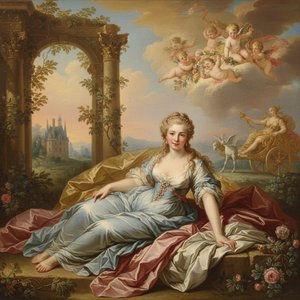
François Boucher: Rococo Master of Myth, Sensuality, and the French Court
Explore the captivating world of François Boucher, master of Rococo painting! Discover his iconic works, aristocratic patronage, and lasting influence on French art history. Learn more at ArtsDot.

Mastering Light: The 25 Most Iconic Landscapes by Jean-Baptiste-Camille Corot
Immerse yourself in the serene landscapes of Jean-Baptiste-Camille Corot. Explore 25 iconic masterpieces of the Barbizon school, from misty forests to golden light. Find inspiration for museum-quality art reproductions and decor. Discover all masterpieces on ArtsDot.com.

The Rococo Style: Aristocratic Leisure & the Pursuit of Delight in 18th-Century Art
Explore the opulent world of Rococo art! Discover Watteau, Boucher & Nattier's masterpieces. Expert insights for collectors seeking museum-quality reproductions and custom portraits at ArtsDot.

The Rococo Aesthetic: Opulence, Rebellion & the Pursuit of Pleasure in 18th-Century Art
Explore the opulent world of Rococo art! Discover its origins, key artists like Watteau & Boucher, and lasting influence on design. Expert insights for collectors & enthusiasts.

The Rococo Reverie of Fragonard: Love, Leisure & Pleasure in 18th-Century France
Explore the captivating world of Jean-Honoré Fragonard! Discover his Rococo masterpieces, intimate portraits & the allure of 18th-century French art. Learn about 'The Progress of Love' and more at ArtsDot.
