

 プレビュー
プレビュー
 シェアする
シェアする シェアする
シェアする
 詳細を見る
詳細を見る

 ダウンロード
 似ている作品
 X線調査
X線調査 スライドショー
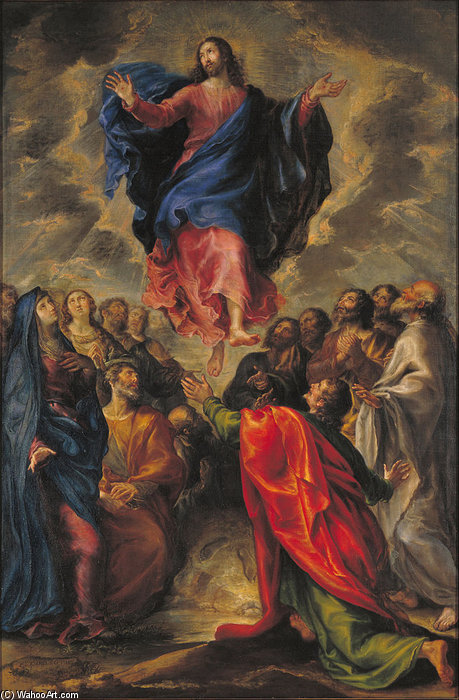
Ascension
 詳細を見る
詳細を見る
ジークレー/アートプリント
迅速な制作と多彩な仕上げオプションを備えた、ミュージアムクオリティのジークレーまたはキャンバスプリント。 ( 手描きの絵画を購入 画像を購入)




































作品のオリジナル比率に合わせた、当店の規定サイズからお選びください。

特定のフレームやスペースに合わせて、ご自身でサイズを指定することも可能です。選択されたサイズが元の画像の比率と一致しない場合、作品をトリミングするか、鏡面反射または単色での塗りつぶしによって画像を拡張いたします。制作を開始する前に、ご確認用のデジタルモックアップをお送りいたします。
画面上のプレビューには、実際のトリミングや拡張は反映されませんのでご注意ください。最終的な構図を正確に確認できるのは、モックアップのみとなります。
カスタムサイズも承っておりますが、元の比率を維持するためには、あらかじめ用意されたリストからサイズを選択することをお勧めいたします。


 ガラスオプションは、110cm未満のサイズでのみご利用いただけます。

Ascension
ジークレー/アートプリント
複製画のサイズ
-


合計金額
$ 62
アーティストの略歴
Francisco Camilo (1615 – 1673): A Florentine Soul Embraced by Spanish Baroque
Francisco Camilo, born in Madrid in 1615, represents a fascinating intersection of artistic influences—a testament to the dynamism of the Spanish Baroque period. His father, Domenico Camilo, was an Italian painter who had established himself in Madrid, bringing with him traditions rooted in Florentine Mannerism and humanist ideals. This heritage profoundly shaped Camilo’s artistic vision, fostering a meticulous attention to detail and a profound understanding of anatomy and perspective.
- Early Training & Patronage: Camilo received his formative education under the tutelage of Pedro de las Cuevas, a celebrated Madrid painter who instilled in him the principles of academic painting. This mentorship proved invaluable, equipping Camilo with the technical skills necessary to excel in the demanding artistic landscape of his time.
- The Jesuit Influence: A pivotal moment arrived when Camilo was commissioned to decorate the high altar of the Jesuits’ house at Madrid—a project that exposed him to the spiritual fervor and stylistic innovations characteristic of Jesuit art. The resulting image, depicting Saint Francis Borgia, exemplifies the Baroque preoccupation with dramatic composition and emotive expression.
- Royal Commissions & Artistic Flourishing: Camilo's reputation quickly ascended as he secured prestigious commissions from the Count-Duke of Olivares—the dominant figure in Spanish politics during his era. Among these were a series of portraits of Spanish monarchs, showcasing Camilo’s mastery of portraiture and his ability to convey regal dignity and authority.
- The Theater of Buenretiro & Ovids Metamorphoses: Perhaps Camilo's most ambitious undertaking was the decoration of the western gallery of the Palace of Buenretiro—a monumental project featuring fourteen frescoes based on Ovid’s *Metamorphoses*. These canvases demonstrate Camilo’s artistic prowess and his willingness to tackle complex narratives with imaginative storytelling.
- Religious Devotion & Artistic Legacy: Primarily focused on religious commissions, Camilo adorned monasteries throughout Spain – Toledo, Alcalá, Segovia – enriching their interiors with serene depictions of biblical scenes and saints. He collaborated closely with sculptor Manuel Pereira, contributing to the sculptural embellishments of royal palaces. Francisco Camilo’s enduring legacy resides in his contribution to Spanish Baroque art, securing him a place among the foremost painters of his generation.
Although Camilo's work has faded somewhat from public awareness, scholars recognize his importance as a conduit for humanist ideals and artistic innovation. His meticulous technique—characterized by precise observation and skillful rendering—continues to inspire admiration and serves as a reminder of the splendor of Spanish Baroque art.

Francisco Camilo
1615 - 1673 , Spain
基本情報
- Artistic Movement Or Style: Baroque
- Artists Or Movements Influenced By This Artist: ['Ovid']
- Artists Who Influenced This Artist: ['Pedro de las Cuevas']
- Date Of Birth: Madrid, Spain (1615)
- Date Of Death: 1673
- Full Name: Francisco Camilo
- Nationality: Spanish
- Notable Artworks:
- St Thomas Of Villanueva
- The Holy Family
- Place Of Birth: Madrid

