

 設置イメージを確認
 送る
送る シェア
シェア
 詳細情報
詳細情報 ガイドを表示

 画像をダウンロード
 似ている作品
 X線調査
X線調査 スライドショー
 統計情報
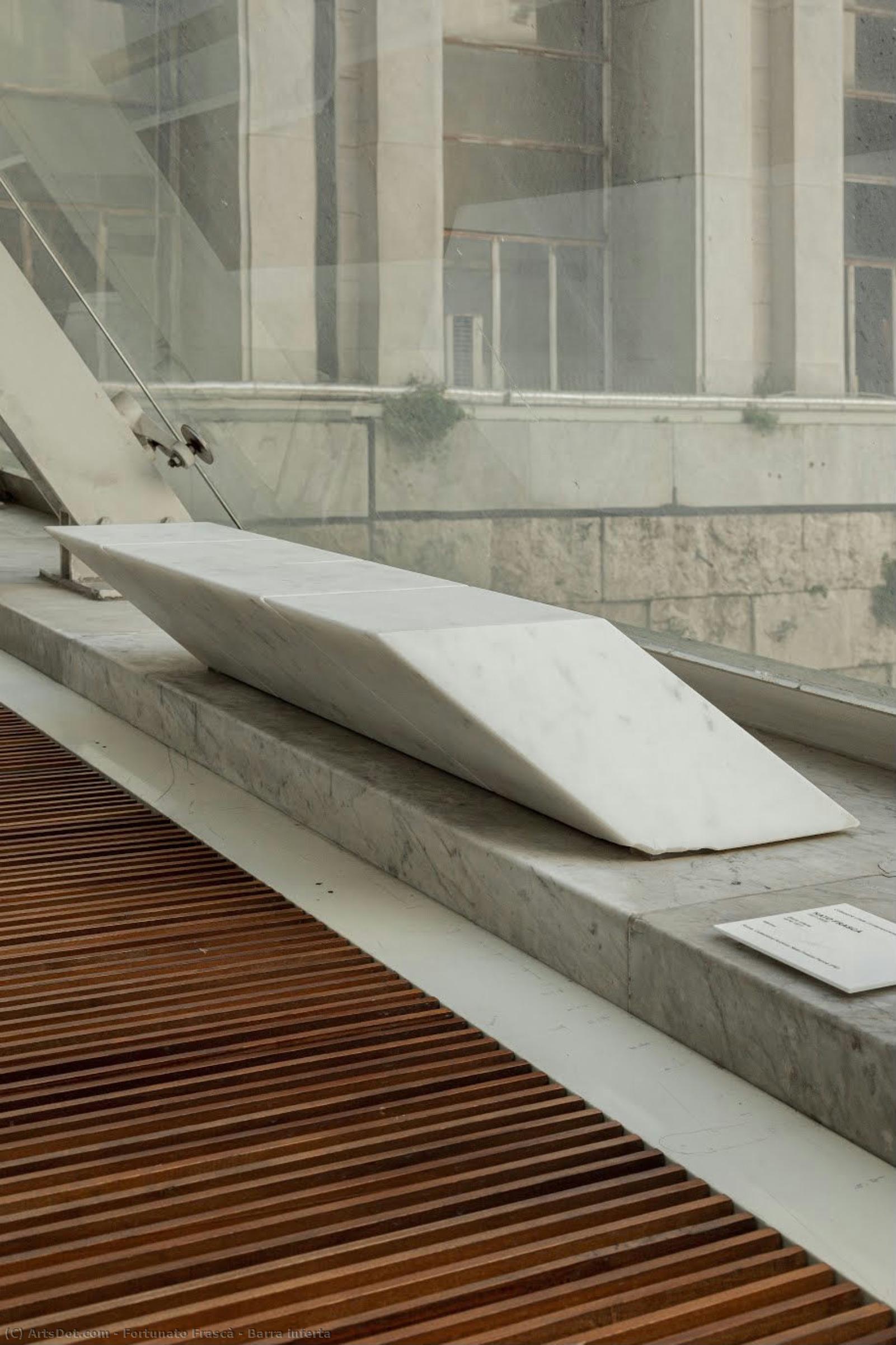
統計情報Barra inferta
 120.0 x 50.0 cm
 Ministero degli Affari Esteri e della Cooperazione Internazionale. Collezione Farnesina
 続きを読む
続きを読む
手描き油彩複製画
当社のアーティストが、お客様のご希望のサイズと額縁に合わせて、キャンバスに手描きで制作する油彩画です。 ( プリント版に切り替え デジタル画像販売へ切り替え)




































作品のオリジナル比率に合わせた、当店の規定サイズからお選びください。

特定のフレームやスペースに合わせて、ご希望のサイズをご入力いただけます。選択されたサイズが元の画像の比率と異なる場合、アートワークをトリミングするか、手描きで要素を追加して絵画を拡張いたします。デジタルモックアップ を制作し、制作開始前にご確認(承認)をいただきます。
画面上のプレビューは、実際のトリミングや拡張を正確に反映しているものではありません。最終的な構図は、モックアップによってのみ正確にご確認いただけます。
カスタムサイズもご利用いただけますが、元の比率を維持するためには、あらかじめ用意されたリストからサイズを選択することをお勧めいたします。
ご注文後、ArtsDot.com チームより詳細な指示をお送りするとともに、仕上がりイメージ(モックアップ)をご提供いたします。


 ガラスオプションは、110cm未満のサイズでのみご利用いただけます。

Barra inferta
再現技法
複製画サイズ一覧
-


合計金額
$ 263
関連作品


アーティストについて
Fortunato Frascà: Pioneer of Concrete Art and Architectural Vision
Fortunato Frascà (1931-2006) stands as a singular figure in Italian art history, recognized not only for his prolific painting output but also for his groundbreaking contributions to architectural design and the conceptual framework underpinning NATO’s Integrated Air Defense System. Born in Rome amidst the turbulent backdrop of World War II, Frascà's formative years instilled within him an unwavering dedication to artistic exploration and a profound engagement with societal challenges—a duality that would permeate his entire oeuvre.- Early Influences: Frascà’s artistic journey commenced under the mentorship of Piero Dorazio, a pivotal proponent of Concrete Art, whose minimalist aesthetic profoundly shaped Frascà's stylistic sensibilities. This exposure to Dorazio’s reductive approach—characterized by geometric forms and monochrome palettes—established a cornerstone for Frascà’s subsequent artistic endeavors.
- Concrete Art Movement: Frascà became an integral participant in the Concrete Art movement, actively collaborating with fellow artists like Piero Mazzetti and Cristiano Cesca. Together, they championed a radical departure from traditional representational art, prioritizing conceptual rigor and geometric abstraction as vehicles for conveying profound ideas about space and perception.
- Architectural Design: Beyond painting, Frascà excelled as an architect, designing innovative structures that reflected his artistic principles—particularly the Museo Nazionale Etrusco di Villa Giulia in Rome. His architectural designs prioritized simplicity, functionality, and a harmonious integration with the surrounding environment, mirroring the ethos of Concrete Art.
NATO’s Air Defense System: Conceptual Innovation
Frascà's involvement extended beyond visual arts into the realm of engineering and defense. He served as an artist and designer for NATO’s Integrated Air Defense System, tasked with crafting a visual language that communicated complex technological concepts in accessible ways. This project demanded a meticulous consideration of color psychology and spatial organization—skills honed through his artistic practice—resulting in striking graphic representations that effectively conveyed the system's operational capabilities.- Symbolic Representation: Frascà utilized geometric shapes and chromatic harmonies to symbolize the multifaceted nature of air defense, emphasizing stability, vigilance, and responsiveness. His designs aimed to instill confidence and convey a sense of technological mastery while maintaining an aesthetic coherence consistent with his broader artistic vision.
- Educational Significance: Frascà’s work on NATO underscored his commitment to fostering intellectual engagement and promoting understanding of scientific advancements. He believed that art could serve as a catalyst for disseminating knowledge and shaping public perception—a conviction reflected in his pedagogical pursuits throughout his career.
Notable Artwork Achievements
Frascà’s artistic output encompassed a diverse range of mediums and styles, demonstrating remarkable versatility. Among his most celebrated pieces are “Barra inferta” (Undercut Beam), a monumental sculpture embodying the movement's exploration of spatial relationships; and “San Fortunato,” a fresco depicting Saint Fortunatus Enthroned and The Establishment of the Manger at Greccio—a testament to his artistic skill and sensitivity to religious iconography. His paintings consistently showcased bold geometric forms, restrained color palettes, and meticulous attention to detail.- Critical Recognition: Frascà garnered widespread acclaim from critics and fellow artists alike, who lauded his pioneering spirit and unwavering dedication to pushing the boundaries of artistic expression. He was awarded numerous prizes and accolades throughout his career—a recognition of his enduring influence on Italian art and design.
Legacy and Influence
Fortunato Frascà’s legacy extends far beyond his individual artworks; he fundamentally reshaped the conceptual landscape of Concrete Art and championed a holistic approach to artistic practice—integrating visual arts, architecture, and engineering disciplines. His unwavering belief in the transformative power of art continues to inspire artists and designers today, cementing his place as one of Italy's most visionary figures in 20th-century art.
fortunato frascà
1931 - 2006 , Italy
アーティスト情報
- Artistic Movement Or Style: Concrete Art
- Date Of Birth: January 21, 1931
- Date Of Death: April 1, 2006
- Full Name: Fortunato Frascà
- Nationality: Italian
- Notable Artworks: ['Barra inferta']
- Place Of Birth: Rome, Italy