設置イメージを確認
 送る
送る シェア
シェア
 詳細情報
詳細情報 ガイドを表示

 画像をダウンロード
 似ている作品
 X線調査
X線調査 スライドショー
 統計情報
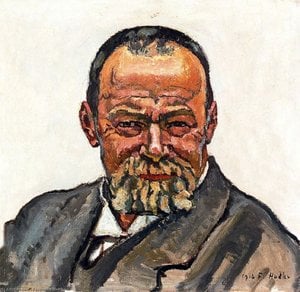
統計情報Figure study
 Acrylic On Canvas
- WallArt
- Symbolist Landscape Painting
 1899
1899 25.0 x 24.0 cm
 ボスニア・ヘルツェゴビナ国立美術館
 続きを読む
続きを読む
手描き油彩複製画
当社のアーティストが、お客様のご希望のサイズと額縁に合わせて、キャンバスに手描きで制作する油彩画です。 ( プリント版に切り替え デジタル画像販売へ切り替え)




P118B ¥10

P118H ¥10

P118W ¥10

P438Z ¥10

P508JH ¥12

P508YH ¥12

P805H ¥10

P805Z ¥10

P919BZ ¥10

P919G ¥10

P919XJ ¥10

P959ZH ¥10

P968JZ ¥12

W106C ¥8

W218G ¥10

W218JH ¥8

W218Y ¥10

W307PJ ¥10

W316G ¥10

W316PJ ¥8

W316Y ¥10

W398PJ ¥8

W4111J ¥10

W500HY ¥15

W500JH ¥15

W692G ¥12

W849H ¥8

W940BG ¥15

W953PJ ¥8




作品のオリジナル比率に合わせた、当店の規定サイズからお選びください。

フレームや壁のスペースに合わせて、ご希望の幅と高さを入力してください。本作品は手描きのため、異なる比率のサイズをご希望の場合、絵画の周囲を少し広げて描くか、あるいは端を少しカットして調整することが可能です。お客様のご要望に合わせます。制作を開始する前に、仕上がりを確認するためのデジタルモックアップをお送りいたします。このページに表示されている画像は完成品の実物ではなく、あくまでモックアップによるイメージです。
ご注文後、ArtsDot.com チームより詳細な指示をお送りするとともに、仕上がりイメージ(モックアップ)をご提供いたします。


 ガラスオプションは、110cm未満のサイズでのみご利用いただけます。

Figure study
再現技法
複製画サイズ一覧
-


合計金額
¥ 41587
Ferdinand Hodler’s “Study of Three Figures” – A Window Into Symbolist Vision
The artwork "Study of Three Figures," executed by Ferdinand Hodler in 1899, stands as a testament to the artist's pioneering approach to Symbolism and his masterful command of pencil technique. More than just a depiction of nude figures posed on the ground, it embodies Hodler’s core philosophical beliefs about human existence—a belief rooted in contemplation and informed by an acute sensitivity to the rhythms of nature. Examining this piece reveals not only artistic skill but also a profound engagement with the intellectual currents shaping European art at the turn of the century.Composition and Technique: Embracing Parallelism
Hodler’s distinctive style, dubbed “parallelism,” prioritized symmetry and rhythmic movement as fundamental principles governing human experience. This is immediately apparent in the arrangement of the three nude figures—a woman seated centrally with her hands clasped before her chest, flanked by two men positioned on either side. The artist meticulously rendered each pose with precise lines and subtle shading, capturing the contours of the body with remarkable accuracy while simultaneously conveying a sense of stillness and repose. Hodler’s technique involved layering graphite pencil strokes to build up tonal values—a process that allowed him to achieve an ethereal quality reminiscent of moonlight, reflecting his fascination with the interplay between light and shadow. The artist's use of tracing techniques further enhanced the image's visual impact, creating a textured surface that contributes to its overall atmosphere.Historical Context: Symbolism’s Quest for Spiritual Depth
Hodler’s “Study of Three Figures” emerged during the height of Symbolist artistic fervor—a movement that rejected realism in favor of exploring inner psychological states and conveying spiritual ideas through evocative imagery. Influenced by thinkers like Nietzsche and Kierkegaard, Symbolists sought to transcend the limitations of empirical observation and delve into realms beyond the visible world. Hodler’s preoccupation with themes of mortality and contemplation mirrored these intellectual concerns—a reflection of his own personal reflections on life's fragility and beauty. The artwork aligns itself with broader artistic trends of the period, demonstrating a shared desire for aesthetic innovation and philosophical profundity.Symbolism Unleashed: Gesture and Rhythm
The pose of the central figure—raised hands clasped before her chest—represents an instinctive gesture of protection and introspection—a posture that speaks to the artist’s belief in the importance of inner harmony with the natural world. The rhythmic movement conveyed by the figures' positions underscores Hodler’s conviction that human life unfolds according to patterns dictated by universal forces. Furthermore, the muted tonal palette—dominated by shades of gray and beige—creates an atmosphere of serenity and solemnity—a deliberate choice designed to evoke contemplation and inspire viewers to consider profound questions about existence. The artist’s meticulous attention to detail—particularly in capturing the subtle nuances of facial expression—adds another layer of complexity to the image, inviting viewers to engage in a dialogue with its symbolic content.Emotional Resonance: A Moment of Quiet Contemplation
Ultimately, “Study of Three Figures” transcends mere visual representation; it communicates an emotional state—one characterized by stillness, thoughtfulness, and acceptance. Hodler’s artwork invites us to pause amidst the bustle of daily life and consider the deeper meanings underlying our experiences—a reminder that true beauty resides not only in outward appearances but also in inner reflection. The piece's enduring appeal stems from its ability to capture a universal human yearning for connection with something greater than oneself—a sentiment powerfully conveyed through Hodler’s masterful use of pencil and his unwavering commitment to Symbolist principles.よくあるご質問
「Figure study」は、Symbolist Landscape Paintingを代表する有名な作品でしょうか?
カタログ内のSymbolist Landscape Paintingの作品の中で、「Figure study」はRecognizedと記録されています。
フェルディナン・ホドラー作「Figure study」の色使いは、作品の感情とどのように結びついているのでしょうか?
「Figure study」では、Neutralsの色調がReflectiveな情緒を添えています。
フェルディナン・ホドラー作「Figure study」が醸し出す感情的なトーンはどのようなものでしょうか?
フェルディナン・ホドラー作「Figure study」は、Reflectiveな情緒を伝えています。
関連作品


アーティストについて
フェルディナント・ホドラー:スイス象徴主義の巨匠、普遍的調和への探求
1853年、ベルンに生まれたフェルディナンド・ホドラーは、スイス絵画史における最も重要な芸術家の一人として、その名を刻みました。幼い頃から喪失という影を背負った彼の人生—父と二人の弟が結核で若くして亡くなったこと—は、死の儚さや存在の意味について深く考察する原点となり、その後の作品に普遍的なテーマを織り込みました。装飾画家としての修業を経て、ホドラーは芸術家としての道を歩み始め、ジュネーブで科学講義を受講しながら美術館で古典作品を模写することで、確固たる基礎を築きました。初期の作品には写実主義の影響が見られましたが、彼は次第にその枠を超え、より深い感情や哲学的な思想を表現する方法を切望するようになりました。象徴主義と並列性:独自の芸術言語の創造
ホドラーの芸術的探求は、主観的な経験と喚起的なイメージを重視する象徴主義へと向かいました。しかし、彼は単にこの運動の原則を受け入れただけでなく、独自の芸術スタイル「並列性」を開発しました。これは、人物や形態をリズム感のある、ほぼ幾何学的なパターンで配置することで、調和と緊張感が共存する視覚的表現を生み出す手法です。ホドラーは、目に見える対象を描写するだけでなく、万物を結びつける根源的な感情の流れを捉えようとしたのです。1890年に完成した『夜』は、その転換点となった作品であり、死と安息を示唆する横たわる人物の描写は、大きな論争を巻き起こしました。しかし、この作品はパリのサロンで高い評価を受け、ホドラーの名声を確立し、スイス国外へと芸術的影響力を広げるきっかけとなりました。主要作品:人生と自然への瞑想
ホドラーのキャリアを通じて制作された数々の傑作は、彼の芸術的探求を鮮やかに物語っています。『昼』(1893年)は、その中でも最も野心的で評価の高い作品の一つであり、チューリッヒ美術館に所蔵されています。この壮大な歴史画は、生命、死、そして再生というテーマを、現実主義と先見的な強烈さの融合によって描き出しています。ホドラーはまた、スイスアルプスの風景を数多く描きましたが、それらは畏敬の念を起こさせる壮大さを湛え、自然への深い愛情を示しています。彼の作品には、喪失や悲嘆といったテーマも頻繁に登場しますが、常に尊厳と回復力を通して表現されています。『真理II』(1897年)に見られるように、ホドラーは古典的な形態と現代的な感覚を融合させ、時代を超越した魅力を持つ作品を生み出しました。遺産:影響と歴史的意義
フェルディナンド・ホドラーの芸術的影響力は、スイス国外にも及びました。彼の象徴主義の使用や「並列性」の開発は、主観的な感情を強調し、形態を歪める表現主義への道を開きました。ホドラーの作品は、19世紀末から20世紀初頭にかけての社会の変化、科学的進歩、そして存在不安の高まりといった文化的潮流と共鳴しました。彼の絵画は、ますます不確実な世界において、慰めと洞察を提供し、人々の心に深く響きました。今日、ホドラーの作品はヨーロッパをはじめとする主要美術館に収蔵されており、世代を超えて多くの人々を魅了し続けています。彼はスイス美術史における偉大な芸術家として記憶され、その技術的な熟練度だけでなく、深い感情的な深みと、人間の存在の意味を探求する揺るぎない決意によって称賛されています。さらにホドラーの世界へ
- 詳細な生涯と作品について: Wikipedia - フェルディナンド・ホドラー
- 彼のコレクションを探索する: ArtsDot - フェルディナンド・ホドラー作品集
- 『昼』(1893年)をご覧ください: ArtsDot - 昼

フェルディナン・ホドラー
1853 - 1918 , スイス
アーティスト情報
- フルネーム: フェルディナント・ホドラー
- 主な作品: ['夜', '昼', '真理II']
- 出生地: ベルン(スイス)
- 国籍: スイス
- 影響を与えたアーティスト: ['表現主義']
- 没年月日: 1918年5月19日
- 生年月日: 1853年3月14日
- 芸術運動またはスタイル: 象徴主義、並列主義