

 設置イメージを表示
 シェアする
シェアする シェアする
シェアする
 詳細を見る
詳細を見る ガイドを表示

 ダウンロード
 似ている作品
 X線調査
X線調査 スライドショーを表示
 Q&A
Q&A 統計情報
統計情報River Scene

- 81.0 x 65.0 cm


 詳細を表示
詳細を表示
ジークレー/アートプリント
スピーディーな制作と多彩な仕上げオプションが魅力の、ミュージアムクオリティなジークレー・キャンバスプリント。 ( 手描き複製画を注文する デジタル画像販売へ切り替え)




P118B ¥10

P118H ¥10

P118W ¥10

P438Z ¥10

P508JH ¥12

P508YH ¥12

P805H ¥10

P805Z ¥10

P919BZ ¥10

P919G ¥10

P919XJ ¥10

P959ZH ¥10

P968JZ ¥12

W106C ¥8

W218G ¥10

W218JH ¥8

W218Y ¥10

W307PJ ¥10

W316G ¥10

W316PJ ¥8

W316Y ¥10

W398PJ ¥8

W4111J ¥10

W500HY ¥15

W500JH ¥15

W692G ¥12

W849H ¥8

W940BG ¥15

W953PJ ¥8




作品のオリジナル比率に合わせた、当店の規定サイズからお選びください。

額縁や壁のスペースに合わせて、ご希望の幅と高さを入力してください。プリントはカットすることは可能ですが、元の画像より大きくすることはできないため、異なる比率のサイズを選択された場合は、画像の一部が欠けることになります。印刷を開始する前に、内容を確認していただくためのデジタルモックアップをお送りいたします。このページに表示されている画像は、実際のカット後の状態を示すものではありません。実際の仕上がりはモックアップにてご確認ください。


 ガラスオプションは、110cm未満のサイズでのみご利用いただけます。

River Scene
ジークレー/アートプリント
複製画サイズ一覧
-


合計金額
¥ 9970
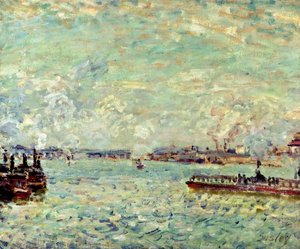
River Scene – A Window Into Impressionistic Vision
“River Scene,” painted by Ferdinand Guillaumin in 1890, stands as a quintessential example of Impressionism’s fascination with capturing fleeting moments and sensory impressions. More than just a depiction of a riverside landscape, it's an invitation to experience the atmosphere of a bygone era—a testament to Guillaumin’s ability to distill the essence of light and color into a single canvas.
Subject Matter & Composition
The artwork portrays a bustling waterway dominated by several boats – barges laden with cargo, smaller vessels navigating calmer stretches – reflecting the industrial growth occurring in France during the late 19th century. Guillaumin skillfully employs horizontal lines to emphasize the expansive space of the river and horizon, creating a visual rhythm that draws the viewer’s eye across the composition. The arrangement of boats contributes to this sense of movement and dynamism.
Style & Technique – Impasto and Atmospheric Light
Guillaumin's distinctive style is characterized by “impasto,” where thick layers of paint are applied directly onto the canvas, creating a palpable textural surface that captures the shimmering effect of sunlight on the water’s surface. Short, broken brushstrokes dominate the technique, mirroring the fragmented nature of perception itself—a hallmark of Impressionism’s rejection of academic realism.
Color Palette & Symbolism
The color palette leans heavily towards blues and greens – reflecting the dominant hues of the river environment – punctuated by yellows and browns that add warmth and depth. Guillaumin utilizes a muted tonal range, prioritizing atmospheric light over precise representation. The boats themselves could symbolize progress, trade, or perhaps even the passage of time, subtly enriching the artwork’s narrative.
Historical Context & Artistic Legacy
Painted during the height of Impressionism's influence, “River Scene” aligns perfectly with the movement’s core principles—a deliberate departure from traditional artistic conventions. Its inclusion in exhibitions alongside Claude Monet solidified Guillaumin’s place within the canon of Impressionist art. Today, reproductions of this evocative piece continue to inspire collectors and interior designers seeking a connection to the beauty and immediacy of nature.
Additional Research
Further exploration into Ferdinand Guillaumin's artistic career reveals his membership in the Société Nautique de Marne, where he championed the depiction of maritime subjects. His work at the Musée d’Art Moderne de Paris alongside Monet exemplifies the collaborative spirit that propelled Impressionism forward.
Q&A
「River Scene」は、フェルディナン・ギヨマンのキャリアにおけるどの時期の作品でしょうか?
「River Scene」は、フェルディナン・ギヨマンのMature Periodを象徴する作品です。
フェルディナン・ギヨマン作「River Scene」は、どのような感情を伝えていますか?
「River Scene」は、SereneなムードにTranquilな感情が添えられた作品です。
フェルディナン・ギヨマン作「River Scene」 の技法(画材)は何ですか?
フェルディナン・ギヨマンは、「River Scene」においてOil On Canvasの技法を用いています。この技法が、原画の素材としての性質を決定づけています。
関連作品


作家プロフィール
幼年時代と画家としての出発
1841年2月16日、フランスのパリに生まれたフェルディナン・ギヨマンは、印象派という芸術運動が芽生え始めた時期にその画家の道を歩み始めました。当初は絵具商として働きながら独学で絵を学びましたが、次第に画家としての才能を開花させていきます。彼の人生は、光と色彩の捉え方を根本から変えようとした印象派の隆盛と深く結びついています。ギヨマンが描いた作品は、単なる風景描写にとどまらず、その瞬間の感情や感覚を鮮やかに表現しようとする試みでした。印象派への貢献
ギヨマンの芸術的貢献は、印象派運動の発展に不可欠なものでした。彼はモネをはじめとする多くの画家たちと交流し、自然界における光と色彩の一瞬の変化を捉えるという共通の目標に向かって探求を続けました。ギヨマンの作品の特徴は、夢のような柔らかな風景描写です。それは、見る者の心に静寂と安らぎをもたらします。鮮やかな色彩と自由奔放な筆致は、印象派特有の即興性と生命力を表現しており、当時の芸術界に新たな風を吹き込みました。ギヨマンは、展覧会にも積極的に参加し、その独自のスタイルを世に広めていきました。影響を受けた画家と象徴主義との交錯
ギヨマンの画風には、様々な芸術家の影響が見られます。特に、フィンセント・ファン・ゴッホやポール・セザンヌ、カミーユ・ピサロといった画家たちの存在は、彼の作品に大きな影響を与えました。しかし、ギヨマンは単なる模倣にとどまらず、独自の表現を追求しました。また、象徴主義という運動からも強い影響を受けました。象徴主義は、夢や神秘の世界を描くことを重視しており、ギヨマンの作品にも大胆な色彩と感情的な主題が取り入れられています。彼の絵画は、現実世界を超えた深遠な精神性を表現しようとする試みでもありました。主要な作品と遺産
マウント・ホライオーク美術館は、ギヨマンの作品を数多く所蔵しており、その芸術的価値を後世に伝える上で重要な役割を果たしています。特に、「1月の庭」や「プイ・ドームの眺め」などの作品は、彼の代表作として知られています。また、クロード・モネとの親交も深く、二人は互いに影響を与え合いながら、印象派運動を牽引しました。ギヨマンは、1927年6月26日にその生涯を閉じましたが、彼の芸術的遺産は今もなお輝きを失っていません。彼の作品は、世界中の美術館やコレクションに収蔵されており、多くの人々に感動を与え続けています。 ArtsDotでは、ギヨマンの作品や印象派運動についてさらに詳しく知ることができます: フェルディナン・ギヨマン | 3点 印象派美術運動 彼の作品を通して、光と色彩が織りなす美しい世界を体験してください。
フェルディナン・ギヨマン
1841 - 1927 , フランス
プロフィール概要
- Artistic Movement Or Style: 印象派
- Artists Or Movements Influenced By This Artist: ['クロード・モネ']
- Artists Who Influenced This Artist:
- フィンセント・ファン・ゴッホ
- ポール・セザンヌ
- カミーユ・ピサロ
- Date Of Birth: 1841年2月16日
- Date Of Death: 1927年6月26日
- Full Name: ジャン=バティスト・アルマン・ギヨマン
- Nationality: フランス人
- Notable Artworks:
- ジャンヴィルの庭(6月)
- 河畔の風景
- ピュ・ドーム山
- Place Of Birth (City And Country): フランス、パリ
関連記事

ポール・セザンヌ:至高の25選 - 傑作と革新の軌跡 | ArtsDot
ポール・セザンヌの至高の25選。ポスト印象派を代表する画家、セザンヌの傑作と革新的な技法を紐解きます。ArtsDotで高品質な複製画やインテリアアートを見つけ、芸術の世界をご自宅に。今すぐコレクションをご覧ください。

Evocations of Place: A Historical Journey Through Landscape Art
Explore the rich history of landscape art with ArtsDot. Discover renowned artists, movements like Impressionism & tonalism, and expert guidance for collecting timeless pieces. Find your perfect serene escape today!

Evoking Nature's Sublime: A Comprehensive Exploration of 19th-Century Landscape Painting
Explore the captivating world of 19th-century landscape painting! Discover renowned artists like Friedrich & Monet, key movements, and find the perfect artwork to bring nature's serenity into your home. Expert insights at ArtsDot.

Evocations of Place: A Historical Journey Through Landscape Art
Explore the rich history of landscape art with ArtsDot. Discover renowned artists, movements like Impressionism & Romanticism, and expert guidance for collecting timeless pieces. Find your perfect serene escape today!

Flowing Narratives: Rivers in Painting – A Historical Exploration
Explore the rich history of rivers in painting! Discover masterpieces from ancient times to Impressionism & beyond. Learn about symbolism, artists like Monet & Daubigny, and find your perfect serene artwork at ArtsDot.