


 プレビュー
プレビュー
 シェアする
シェアする シェアする
シェアする
 詳細を見る
詳細を見る ガイド
ガイド

 ダウンロード
 似ている作品
 X線調査
X線調査 スライドショー
 統計情報
統計情報Buddhist Heart Sutra


 詳細を見る
詳細を見る
ジークレー/アートプリント
迅速な制作と多彩な仕上げオプションを備えた、ミュージアムクオリティのジークレーまたはキャンバスプリント。 ( 手描きの絵画を購入 デジタル画像販売へ切り替え)




































作品のオリジナル比率に合わせた、当店の規定サイズからお選びください。

特定のフレームやスペースに合わせて、ご自身でサイズを指定することも可能です。選択されたサイズが元の画像の比率と一致しない場合、作品をトリミングするか、鏡面反射または単色での塗りつぶしによって画像を拡張いたします。制作を開始する前に、ご確認用のデジタルモックアップをお送りいたします。
画面上のプレビューには、実際のトリミングや拡張は反映されませんのでご注意ください。最終的な構図を正確に確認できるのは、モックアップのみとなります。
カスタムサイズも承っておりますが、元の比率を維持するためには、あらかじめ用意されたリストからサイズを選択することをお勧めいたします。


 ガラスオプションは、110cm未満のサイズでのみご利用いただけます。

Buddhist Heart Sutra
ジークレー/アートプリント
複製画のサイズ
-


合計金額
$ 62
関連作品


アーティストの略歴
The Imperial Brush: The Spiritual Legacy of Emperor Kōgon
In the turbulent landscape of fourteenth-century Japan, amidst the political fragmentation of the Northern and Southern Courts, there emerged a figure whose influence transcended the mere boundaries of imperial governance. Emperor Kōgon (1313–1364) was not merely a sovereign navigating a period of profound instability; he was a visionary patron whose devotion to Buddhist iconography helped reshape the aesthetic soul of Northern Japan. Born into the prestigious Minamoto clan as Kazuhito, his early life was steeped in the traditions of the samurai, yet his spirit was irrevocably drawn toward the quietude of Buddhist scholarship and the meditative depths of philosophical inquiry. This unique intersection of martial lineage and spiritual intellect would become the cornerstone of his artistic legacy.
Kōgon’s ascension to the throne followed a period of intense succession crises, marking a decisive departure from the centralized authority of previous eras. While his political reign was brief, spanning only two years, the cultural ripples he created were immense. He viewed art not as a secular luxury, but as a vital instrument of spiritual reaffirmation and imperial legitimacy. By channeling his patronage toward the Mahayana traditions, he sought to bridge the gap between the earthly authority of the throne and the divine essence of the Buddha. His era witnessed an unprecedented surge in the creation of monumental works that utilized the sacred language of calligraphy and painting to communicate the eternal truths of the faith.
A Symphony of Ink and Devotion
The artistic output fostered under Kōgon’s influence is characterized by a profound synthesis of technical mastery and religious fervor. One of the most breathtaking examples of this era is the Buddhist Heart Sutra, an exquisite calligraphy scroll that serves as a rare window into the imperial devotion of the time. In these works, the brush does not merely record text; it performs a ritual. The flowing, rhythmic strokes of the characters are designed to guide the viewer through a meditative journey, mirroring the very essence of the sutra's teachings. This period saw a significant shift toward more elaborate and complex compositions, where the interplay of ink and void became a metaphor for the Buddhist concept of emptiness and form.
The techniques employed by the artists under his patronage were nothing short of revolutionary for the period. Drawing deep inspiration from the sophisticated landscape painting traditions of China, Japanese masters began to integrate more vibrant pigments and meticulous detailing into their work. This evolution brought about a new level of spiritual depth, as painters sought to capture:
- The serene majesty of idealized Buddha figures that seemed to radiate light from within.
- Meticulously rendered landscapes that functioned as spiritual microcosms.
- A sophisticated use of color and texture to evoke the ephemeral nature of existence.
Historical Significance and Artistic Endurance
The historical significance of Emperor Kōgon lies in his ability to transform a period of political chaos into an era of artistic flourishing. While the Nanboku-chō period was defined by conflict between rival courts, Kōgon’s focus on Buddhist art provided a sense of cultural continuity and spiritual stability. He successfully utilized the medium of painting to assert a form of authority that was not dependent on military might, but on moral and religious prestige. His patronage laid the groundwork for future developments in Japanese Buddhist iconography, influencing the stylistic trajectory of much of the art produced in the centuries that followed.
Today, the legacy of Emperor Kōgon remains etched in the masterpieces that survived the fires of history. His contribution to the development of calligraphic scrolls and temple paintings continues to inspire scholars and art enthusiasts alike. To study his era is to witness a moment when the imperial brush was used to capture the infinite, turning the fleeting political struggles of a fractured nation into an enduring testament of faith and beauty. His life stands as a reminder that even in times of great upheaval, the pursuit of artistic excellence can create a lasting sanctuary for the human spirit.

emperor kōgon
1313 - 1364 , Japan
基本情報
- Artistic Movement Or Style: Buddhist Art
- Date Of Birth: 1313
- Full Name: Kazuhito
- Nationality: Japanese
- Notable Artworks: ['Buddhist Heart Sutra']
- Place Of Birth: Japan
関連記事

Floating World: The Captivating Art and Legacy of Japanese Ukiyo-e
Explore the profound beauty of Japanese Ukiyo-e. Discover the history, masters like Hokusai, and the enduring legacy of the 'Floating World' through an expert art-historical lens.
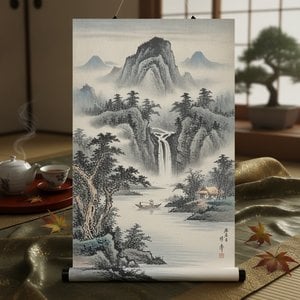
Serenity on Canvas: A Guide to the Timeless Beauty of Japanese Landscape Painting
Discover the serene beauty of Japanese landscape painting. From Hokusai's iconic woodblock prints to meditative sumi-e ink washes, explore a visual journey through the 'floating world' and learn how to bring this timeless Zen aesthetic into your modern home decor.

Japonisme: How Japanese Woodblock Prints Revolutionized Western Art
Explore the profound impact of Japonisme on Western art. Discover how Japanese ukiyo-e woodblock prints revolutionized perspective, color, and composition for masters like Monet and Van Gogh, forever changing the course of modern art history.

葛飾北斎:25の傑作が語る浮世絵の世界 - ArtsDot
葛飾北斎の25選:『神奈川沖浪裏』や『富嶽三十六景』など、浮世絵の世界を深く探求。木版画の技法と日本美術の美をArtsDotで。高品質なアートプリントで空間に感動を。コレクションはこちら。
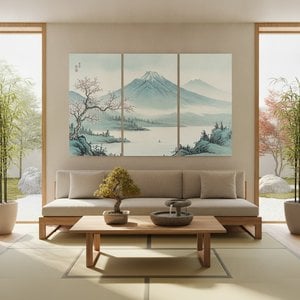
Serene Zen: Transforming Your New Home with the Timeless Elegance of Japanese Landscape Art
Transform your new home into a sanctuary of peace with stunning Japanese landscape art. Discover the beauty of Ukiyo-e and hand-painted Zen masterpieces designed to bring harmony and timeless elegance to your shared space. Expertly curated for modern lovers of fine art.