

 設置イメージを表示
 シェアする
シェアする シェアする
シェアする
 詳細を見る
詳細を見る ガイドを表示

 ダウンロード
 似ている作品
 X線調査
X線調査 スライドショーを表示
 Q&A
Q&A 統計情報
統計情報Roots

- 61.0 x 110.0 cm


 詳細を表示
詳細を表示
ジークレー/アートプリント
スピーディーな制作と多彩な仕上げオプションが魅力の、ミュージアムクオリティなジークレー・キャンバスプリント。 ( 手描き複製画を注文する デジタル画像販売へ切り替え)




P118B ¥10

P118H ¥10

P118W ¥10

P438Z ¥10

P508JH ¥12

P508YH ¥12

P805H ¥10

P805Z ¥10

P919BZ ¥10

P919G ¥10

P919XJ ¥10

P959ZH ¥10

P968JZ ¥12

W106C ¥8

W218G ¥10

W218JH ¥8

W218Y ¥10

W307PJ ¥10

W316G ¥10

W316PJ ¥8

W316Y ¥10

W398PJ ¥8

W4111J ¥10

W500HY ¥15

W500JH ¥15

W692G ¥12

W849H ¥8

W940BG ¥15

W953PJ ¥8




作品のオリジナル比率に合わせた、当店の規定サイズからお選びください。

額縁や壁のスペースに合わせて、ご希望の幅と高さを入力してください。プリントはカットすることは可能ですが、元の画像より大きくすることはできないため、異なる比率のサイズを選択された場合は、画像の一部が欠けることになります。印刷を開始する前に、内容を確認していただくためのデジタルモックアップをお送りいたします。このページに表示されている画像は、実際のカット後の状態を示すものではありません。実際の仕上がりはモックアップにてご確認ください。


 ガラスオプションは、110cm未満のサイズでのみご利用いただけます。

Roots
ジークレー/アートプリント
複製画サイズ一覧
-


合計金額
¥ 9778
The Canvas as a Portal: Unveiling “Roots” by Emily Carr
Emily Carr's "Roots," painted circa 1929, isn’t merely a depiction of two magnificent horned creatures amidst the dense foliage of British Columbia; it’s a profound meditation on connection – to the land, to ancient spirits, and perhaps, to something deeply within ourselves. The painting immediately draws the viewer into a shadowed realm, a twilight forest where light filters through the canopy in dappled patterns, creating an atmosphere thick with mystery and reverence. Carr masterfully employs a muted palette of browns, greens, and greys, punctuated by flashes of ochre and umber, lending the scene a timeless quality that transcends its specific time and place. The composition is deliberately unbalanced, drawing our eye to the central figures – these imposing beasts – while the human element, partially obscured on the right, feels almost secondary, an observer rather than a participant in this primal drama.
A Post-Impressionist Tapestry: Technique and Style
Carr’s style firmly resides within the realm of Post-Impressionism, yet she transcends simple imitation. She builds upon the Impressionists' focus on capturing fleeting moments of light and color, but imbues her work with a heightened sense of emotional intensity and symbolic weight. The brushstrokes are thick and expressive, particularly evident in the rendering of the animals’ fur – each strand meticulously applied to convey texture and movement. Carr utilizes a technique reminiscent of Japanese woodblock prints, employing strong outlines and flattened planes of color to define the forms against the richly textured background. This deliberate simplification allows her to focus on conveying mood and atmosphere rather than photographic realism. The layering of paint creates an almost sculptural quality, giving the canvas a tangible presence that invites close examination.
- Medium: Oil on Canvas
- Size: 61 x 110 cm (approximately 24 x 43.5 inches)
- Brushwork: Thick, expressive, and layered – a hallmark of Carr’s distinctive style.
Echoes of Indigenous Lore and the Spirit of the Land
“Roots” is deeply rooted in Carr's lifelong fascination with First Nations culture and spirituality. The horned creatures themselves are often interpreted as representations of Thunderbird, powerful spirits associated with storms, rain, and protection within Nuu-chah-nulth cosmology. Their presence evokes a sense of ancient power and the enduring connection between humanity and the natural world. The partially visible human figure suggests an attempt to understand or perhaps appease these forces – a recognition of our place within this intricate web of life. Carr’s meticulous documentation of totem poles, as evidenced in her extensive writings and other paintings, reveals a profound respect for Indigenous traditions and a desire to bridge the gap between Western art and First Nations storytelling. The painting can be seen as an attempt to capture not just the visual appearance of these creatures but also the spiritual significance they held for the people who revered them.
Symbolism and Emotional Resonance: A Journey into the Heart of the Forest
Beyond its immediate visual appeal, “Roots” resonates with a profound emotional depth. The darkened forest creates a sense of both vulnerability and awe, inviting us to contemplate our own relationship to nature and the mysteries that lie hidden within it. The animals’ gaze – directed off-camera – suggests a narrative beyond what is immediately visible, prompting questions about their purpose and their connection to the human observer. Carr's work consistently explores themes of isolation, spirituality, and the search for meaning in a rapidly changing world. “Roots” serves as a poignant reminder of the enduring power of the natural landscape and the importance of preserving its cultural heritage. It’s a painting that stays with you long after you’ve turned away, prompting reflection on our place within the grand scheme of things.


作家プロフィール
ブリティッシュコロンビアの風景と精神に根ざした生涯
1871年12月13日、ブリティッシュコロンビア州ビクトリアに生まれたエミリー・カーは、単なる画家ではありませんでした。彼女は変わりゆく世界の記録者であり、北西太平洋の自然が持つ壮大な威厳と、先住民族(ファースト・ネーションズ)が受け継いできた豊かな文化的遺産の双方を情熱的に見つめた観察者でした。彼女の人生は、自らのアイデンティティと先住民との関係に葛藤しながら、急速な進化を遂げていたカナダという国家の背景の中で展開されました。新興の植民地での機会を求めて渡ってきたイギリス人移民、リチャードとエミリー・カーの娘として、彼女は伝統と進歩の両方を重んじる家庭で育ちました。この二面性が、彼女の芸術的ビジョンを深く形作ることになります。幼い頃から父の励ましを受け、エミリーは芸術に対して驚くべき才能を示しました。その才能は、正規の教育と、周囲の風景との深い結びつきを通じて育まれていったのです。バンクーバー島にそびえ立つ森、険しい海岸線、そしてそこに息づく力強い生命は、彼女にとって永遠のインスピレーションの源となりました。しかし、カーを魅了したのは単なる視覚的な美しさだけではありませんでした。彼女が追い求めたのは、この土地の「精神」、すなわち、そこに内在する力強さと神秘そのものだったのです。独自の芸術的声の確立
カーの芸術的な旅は、絶え間ない探求と洗練のプロセスでした。サンフランシスコ・アート・インスティテュート(1890-1892年)での正規の訓練を経て、後にロンドンのウェストミンスター・スクール・オブ・アート(1899年)へと学びを広げ、ヨーロッパの芸術潮流に身を投じました。しかし、彼女は次第に故郷ブリティッシュコロンビアへと強く引き戻されていく自分に気づきます。真の芸術的表現とは、模倣の中にあるのではなく、自分自身の経験をいかに真正に描き出すかにあると悟ったからです。当初はポスト印象派の影響を受けていたカーですが、次第に従来の技法から離れ、大胆な色彩、ダイナミックな筆致、そして本能に訴えかけるようなエネルギーを特徴とする独自のスタイルを確立していきました。彼女の発展における決定的な瞬間は、ブリティッシュコロンビア沿岸の先住民族のコミュニティとの出会いによってもたらされました。彼女はこれらの地域を広範囲に旅し、村々やトーテムポール、儀式用の品々を、畏敬と敬意を持って記録していきました。これらの経験は彼女の作品に深い精神性を吹き込み、植民地化の圧力にさらされていた文化を守ろうとする強い意志を刻み込みました。カーは単に先住民族の文化を「題材」として描いたのではありません。彼らの世界観、土地との繋がり、そしてその芸術に込められた深遠な象徴性を伝えようと試みていたのです。彼女の絵画は、文化の保存と芸術的革新を示す力強い宣言となりました。モダニズムと内なる視覚の表現
エミリー・カーは、独自の視点を深く保持しながら新しい表現形式を受け入れた、カナダ・モダニズムの先駆的な人物として君臨しています。彼女は目に見えるものを単に再現することに満足せず、対象が持つ感情的、精神的な本質を伝えようと努めました。その探求心は、より抽象的な構図への実験へと繋がり、厚塗りのインパスト技法を用いることで、動きと質感を生み出しました。彼女のキャンバスはしばしばエネルギーに脈動しており、それは自然界の剥き出しの力強さや、描かれた先住民族コミュニティの活気に満ちた生命力を反映しています。例えば、Kispiox Village(キプシオックスの村)は、単なる村の風景を描いたものではありません。それは、その場の空気感、歴史、そして精神的な重要性を呼び起こすものです。カーの作品には、天に向かって伸びる巨大な樹木がしばしば登場しますが、これは自然の壮大さと、先住民族文化の不朽の精神の両方を象徴しています。彼女は従来の芸術的規範に挑戦することを恐れず、境界を押し広げ、自らの道を切り拓きました。この芸術的独立への献身は、後の世代のカナダ人アーティストたちにインスピレーションを与え続けることになります。遺産と永続する影響力
評価が確立されたのは晩年になってからのことでしたが、現在エミリー・カーは「カナダ近代美術の母」として広く称賛されています。彼女の絵画は、その美しさ、感情的な深み、そして歴史的な重要性ゆえに、かけがえのない宝として大切にされています。芸術的な功績にとどまらず、カーは優れた作家でもありました。自らの経験と観察を綴った自伝『Klee Wyck(クリー・ウィック)』は絶賛され、1941年には総督文学賞(ノンフィクション部門)を受賞しました。この著作は、彼女の生涯、芸術的プロセス、そしてブリティッシュコロンビアとの深い結びつきを知るための貴重な洞察を与えてくれます。カーの遺産は芸術界を遥かに超えて広がっています。彼女は、芸術的独立、文化的探求、そしてカナダの風景が持つ永遠の美を象徴する国家的アイコンとなりました。その影響は、西海岸の精神を同様に捉えようとしたペギ・ニコル・マクラウドをはじめとする、後続の多くのアーティストの作品の中に見ることができます。今日においても、彼女の絵画は世界中の観衆の心に響き続け、文化遺産を守ることの重要性と、芸術的表現が持つ力を私たちに思い出させてくれます。彼女の永続的な影響力の証として、小惑星5688番「Kleewyck」には彼女の名が冠されています。これは、真に卓越した芸術家であり先見の明を持った人物への、天空からの献辞なのです。主要作品
- Tanoo(水彩): 先住民族の生活を繊細かつ力強く描き出し、カーの水彩技法の極致を示した作品。
- A Haida Village(油彩): ハイダ族の村の建築的な壮大さと精神的な重要性を捉えた、鮮烈な油彩画。
- The Indian Church(油彩): 先住民文化とキリスト教宣教師の影響が交差する様を痛切に描き、植民地史に対するカーの複雑な関わりを反映した作品。
- Kispiox Village(油彩): カー独自のスタイルと、ブリティッシュコロンビアの風景およびコミュニティとの深い繋がりを体現する象徴的な絵画。

エミリー・カー
1871 - 1945
プロフィール概要
- Artistic Movement Or Style: モダニズム、ポスト印象派
- Artists Or Movements Influenced By This Artist: ['ペギ・ニコル・マクラウド']
- Date Of Birth: 1871年12月13日
- Date Of Death: 1945年3月2日
- Full Name: エミリー・カー
- Nationality: カナダ
- Notable Artworks:
- タヌー
- ハイダの村
- インディアン・チャーチ
- キプキオックス・ビレッジ
- Place Of Birth: カナダ、ビクトリア
関連記事
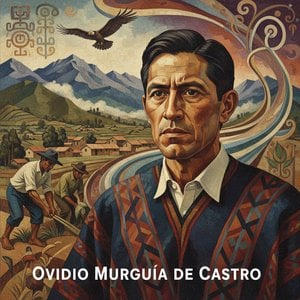
Ovidio Murguía de Castro: Ecuadorian Modernism & Social Realism's Indigenous Voice
Explore the captivating work of Ovidio Murguía de Castro, a pivotal figure in Ecuadorian Modernism. Discover his powerful Social Realist paintings and unique portrayal of Indigenous life – a compelling investment for discerning art collectors.
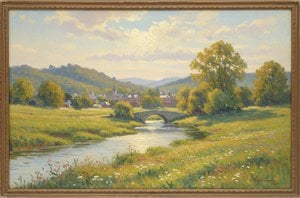
Henry Marvell Carr: A Study in American Impressionism's Evolving Landscape of Light and Form
Explore the captivating work of Henry Marvell Carr, a pivotal figure in American Impressionism. Discover his evocative realism, war art, and cultural depictions – a journey through light, form, and legacy.

Nature’s Sanctuary: Curating Enchanting Forest Artworks to Transform Your Home into a Serene Woodland Retreat
Transform your home into a serene woodland retreat with enchanting forest artworks. Discover museum-quality oil reproductions and custom landscape commissions designed to bring the peaceful beauty of nature indoors.
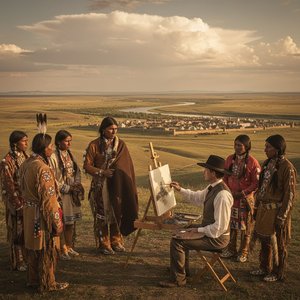
George Catlin: Witnessing & Representing Indigenous Life on the American Frontier
Explore the captivating art of George Catlin, renowned for his vivid portraits & landscapes documenting Native American life on the frontier. Discover a vanishing world through stunning paintings and historical context.

The Enchanted Canopy: Exploring Forests in Art History – From Romantic Idealization to Ecological Consciousness
Explore the rich history of forests in art! Discover Romantic masterpieces by Friedrich & Monet, Symbolist depths, and contemporary visions. Find inspiration & quality reproductions at ArtsDot.