

 設置イメージを表示
 シェアする
シェアする シェアする
シェアする
 詳細を見る
詳細を見る ガイドを表示

 ダウンロード
 似ている作品
 X線調査
X線調査 スライドショーを表示
 Q&A
Q&A 統計情報
統計情報Untitled (862)

 詳細を表示
詳細を表示
このページに掲載されている作品は著作権法によって保護されており、当社の許可なく同一の複製物を制作または販売することは法律で禁じられています。この保護は、以下のような国際条約に基づき執行されます。 ベルヌ条約 および、以下の条項に定められたものを含む各国の法律により、 米国著作権法 第17編。
この手法は、著作権で保護された作品の複製や複写を伴わないため、著作権法に完全に準拠しています。これは単なる模倣ではなく、創造的な再解釈です。元の作品からインスピレーションを受けつつも、それとは異なる、全く新しい絵画を生み出すものです。
ジークレー/アートプリント
スピーディーな制作と多彩な仕上げオプションが魅力の、ミュージアムクオリティなジークレー・キャンバスプリント。 ( 手描き複製画を注文する デジタル画像販売へ切り替え)




































作品のオリジナル比率に合わせた、当店の規定サイズからお選びください。

額縁や壁のスペースに合わせて、ご希望の幅と高さを入力してください。プリントはカットすることは可能ですが、元の画像より大きくすることはできないため、異なる比率のサイズを選択された場合は、画像の一部が欠けることになります。印刷を開始する前に、内容を確認していただくためのデジタルモックアップをお送りいたします。このページに表示されている画像は、実際のカット後の状態を示すものではありません。実際の仕上がりはモックアップにてご確認ください。


 ガラスオプションは、110cm未満のサイズでのみご利用いただけます。

Untitled (862)
ジークレー/アートプリント
複製画サイズ一覧
-


合計金額
¥ 9963
関連作品


作家プロフィール
The Literary Soul of the Canvas
Emilio Tadini was far more than a painter; he was a profound architect of meaning within the Italian cultural landscape. Born in Milan in 1927, his journey began not with a brush, but with the written word. A poet, novelist, and essayist, Tadini first emerged onto the prestigious literary stage in 1947 through Elio Vittorini's magazine, Politecnico. This deep-seated connection to literature would forever inform his visual practice, leading his contemporary Umberto Eco to famously describe him as “a writer who paints, a painter who writes.” His transition into the realm of fine arts during the late 1950s was not a departure from his literary roots but an expansion of them, as he began to treat the canvas as a space for deconstructing and reconstructing text through color and form.A Tapestry of Memory and Texture
Tadini’s technique is characterized by a restless, layered exploration of existence. He viewed painting as an act of building a text, where the superimposing of different temporal planes creates a continuous dialogue between memory and reality. His works often eschew smooth, polished surfaces in favor of a visceral, expressionistic energy. By masterfully employing mixed-media techniques—layering paint with collage elements such as paper—he achieved a richly textured surface that mirrors the fractured nature of human experience. In pieces like “Untitled (547),” one encounters a fleshy palette of pinks and reds that simultaneously evokes the vitality of life and the unsettling specter of decay, pulling the viewer into a chaotic scene of emotional turmoil and symbolic struggle.Navigating the Human Condition
The thematic depth of Tadini’s oeuvre lies in his ability to capture the profound tensions of the post-war era: isolation, social observation, and the interplay between the tragic and the comic. His visual language is remarkably versatile, ranging from the surreal architectural blends found in “Viaggio in Italia” to the dynamic, unsettling beauty of his more abstract, line-driven compositions. Through his use of bold colors and ambiguous figures, Tadini invites a deep, introspective gaze, prompting us to question the world around us. His legacy remains that of an artist who used irony and wit to bridge the gap between reality and imagination, leaving behind a body of work that continues to stimulate curiosity and reflect the complexities of the modern soul.
Emilio Tadini
1927 - 2003 , Italy
プロフィール概要
- Full Name: Emilio Grau Sala
- Nationality: Spanish
- Date Of Birth: 1927
- Date Of Death: 2003
- Place Of Birth: Italy
- Notable Artworks:
- The Poet
- The Guitarist
- Artistic Movement Or Style: Catalan Modernisme
- Artists Who Influenced This Artist:
- Gustav Klimt
- James Abbott McNeill Whistler
- Artists Or Movements Influenced By This Artist:
- Cubism
- Expressionism
関連記事
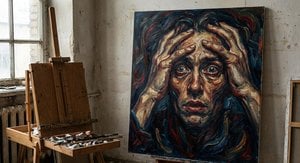
Figurative Expressionism: Emotional Intensity & Subjective Reality in 20th-Century Art
Explore the powerful world of Figurative Expressionism with ArtsDot. Discover key artists like Kirchner & Beckmann, understand its emotional depth, and learn how to collect this influential 20th-century art movement.

Unlocking Emotion: A Beginner's Guide to the Raw Power of Symbolic Expressionism Art
Discover the raw emotion of Symbolic Expressionism. Our expert guide explores how masters like Munch use color and form to convey inner feelings, offering inspiration for collectors looking to bring powerful, soulful art into their modern homes.
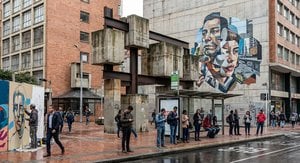
Concrete Narratives: Exploring Urban Life in Modern & Contemporary Art
Explore the evolution of cityscape painting with ArtsDot. Discover key artists from Realism to contemporary movements & invest in timeless urban visions. Expert guidance, museum-quality reproductions.

Ernst Ludwig Kirchner: Expressionism's Urban Anxiety & the Fragmentation of Modern Identity
Explore the powerful world of Ernst Ludwig Kirchner and German Expressionism. Discover his iconic paintings, Die Brücke group, and the movement's exploration of urban anxiety & modern identity. Expert analysis for collectors & enthusiasts.
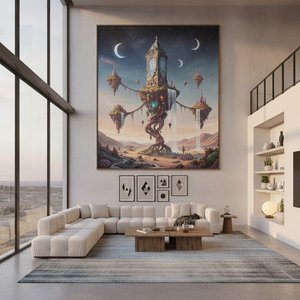
Dreamscapes Unveiled: A Curated Guide to Integrating Surrealist Landscape Art into Modern Interiors
Discover how to transform your home with the captivating mystery of Surrealist landscape art. Our expert guide explores iconic dreamscapes, offering professional tips on curating, styling, and commissioning bespoke surrealist masterpieces for a sophisticated, soulful interior.