


 プレビュー
プレビュー
 シェアする
シェアする シェアする
シェアする
 詳細を見る
詳細を見る ガイド
ガイド

 ダウンロード
 似ている作品
 X線調査
X線調査 スライドショー
 統計情報
統計情報Untitled (843)

 詳細を見る
詳細を見る
手描き油彩複製画
当社のアーティストが、お客様のご希望のサイズと額縁に合わせて、キャンバスに手描きで制作する油彩画です。 ( プリント版に切り替え デジタル画像販売へ切り替え)




































作品のオリジナル比率に合わせた、当店の規定サイズからお選びください。

特定のフレームやスペースに合わせて、ご希望のサイズをご入力いただけます。選択されたサイズが元の画像の比率と異なる場合、アートワークをトリミングするか、手描きで要素を追加して絵画を拡張いたします。デジタルモックアップ を制作し、制作開始前にご確認(承認)をいただきます。
画面上のプレビューは、実際のトリミングや拡張を正確に反映しているものではありません。最終的な構図は、モックアップによってのみ正確にご確認いただけます。
カスタムサイズもご利用いただけますが、元の比率を維持するためには、あらかじめ用意されたリストからサイズを選択することをお勧めいたします。
ご注文後、ArtsDot.com チームより詳細な指示をお送りするとともに、仕上がりイメージ(モックアップ)をご提供いたします。


 ガラスオプションは、110cm未満のサイズでのみご利用いただけます。

Untitled (843)
複製技法
複製画のサイズ
-


合計金額
$ 263
関連作品


アーティストの略歴
A Steadfast Vision: The Life and Art of Émile Chambon
Émile François Chambon, born in Geneva in 1905, was a Swiss painter who dedicated his life to the enduring power of figurative art. In an era increasingly dominated by abstraction, Chambon remained steadfastly committed to representing the world around him—and within him—with meticulous skill and quiet contemplation. His journey wasn’t one of revolutionary breaks or flamboyant manifestos; rather, it was a deeply personal exploration of form, light, and emotion, guided by a reverence for artistic masters and an unwavering belief in the expressive potential of traditional techniques. Chambon's path began with formal training at the École des Beaux-Arts in Geneva, but his true education unfolded during two pivotal journeys to Paris in 1921 and 1928. These sojourns weren’t merely about acquiring skill; they were immersions into a world of artistic heritage. He spent countless hours studying the works of Rembrandt, Rubens, and Géricault at the Louvre, absorbing their mastery of composition, chiaroscuro, and narrative power. Beyond the Louvre, he explored the Musée Guimet and Petit-Palais, broadening his understanding of art’s diverse expressions. These experiences solidified a commitment to realism tempered by a distinctly modern sensibility.Early Influences and Artistic Development
The formative years also included a valuable apprenticeship with Jean-Louis Gampert from 1925 to 1928. This period provided practical experience in an artist’s studio, contributing to decorative projects like the Corsier church decor, honing his skills while observing a working professional. However, Chambon wasn't simply mimicking his predecessors or contemporaries; he was forging his own path. The influence of Gustave Courbet is particularly evident in his work—a shared dedication to depicting everyday subjects with honesty and without idealization. Yet, Chambon infused this realism with a dreamlike quality, hinting at hidden depths beneath the surface of ordinary life. His palette remained subtle, favoring muted tones that enhanced the emotional resonance of his scenes. He wasn’t interested in bold statements or dramatic gestures; instead, he sought to capture fleeting moments of beauty and introspection through expressive lines and carefully considered compositions. This unique blend of tradition and modernity defined his artistic signature.Themes and Artistic Output
Throughout his prolific career—particularly during the 1930s and 1940s, when his output significantly increased—Chambon consistently returned to certain themes. Mythological scenes offered a canvas for exploring universal human experiences, while genre paintings provided glimpses into the lives of ordinary people. Still lifes, often featuring flowers, fruit, or everyday objects, became vehicles for examining form, texture, and light. These weren’t merely exercises in technical skill; they were meditations on mortality, beauty, and the passage of time. In 1957, a monograph by Edouard Muller-Moor helped to establish Chambon's reputation within Switzerland, bringing wider recognition to his quiet yet powerful body of work. He participated in numerous collective exhibitions across Switzerland and abroad, including a showing at the Galerie Motte in Paris in 1962 and the Künstler, Sammler exhibition at the Aargauer Kunsthaus.Legacy and Lasting Impact
Chambon’s commitment to figurative painting positioned him as something of a counterpoint to the prevailing artistic trends of the 20th century. While abstraction gained prominence, he remained dedicated to representing the visible world—and the inner landscape of human emotion—with skill and sensitivity. In his later years, Chambon demonstrated remarkable generosity, donating paintings to the Carouge museum and a significant collection of African and Oceanic art to the Geneva Ethnographic Museum. This act speaks to a broader appreciation for artistic expression beyond the confines of Western tradition. The establishment of the Fondation Émile Chambon after his death in 1993 ensures that his work continues to be studied and appreciated by future generations. Though not widely known internationally during his lifetime, Chambon’s dedication to craftsmanship, his unique blend of realism and dreamlike imagery, and his unwavering commitment to figurative art continue to inspire contemporary artists seeking a path beyond the dictates of fleeting trends. He stands as a testament to the enduring power of artistic vision—a quiet voice that continues to resonate with those who seek beauty, meaning, and truth in the world around them. His work is a reminder that true artistry lies not in following the crowd, but in staying true to one’s own unique perspective.
Émile Chambon
1905 - 1993 , Switzerland
基本情報
- Artistic Movement Or Style: Figurative painting
- Artists Or Movements Influenced By This Artist: Contemporary artists
- Artists Who Influenced This Artist:
- Courbet
- Caravaggio
- Vallotton
- Rembrandt
- Rubens
- Géricault
- Date Of Birth: 1905
- Date Of Death: 1993
- Full Name: Émile François Chambon
- Nationality: Swiss
- Notable Artworks:
- Untitled (415)
- Untitled (688)
- Untitled (580)
- Place Of Birth: Geneva, Switzerland
関連記事

The Resonance of Earthly Tones: Exploring Nuance, History & Emotional Impact in Art
Explore the captivating world of earth tones in art! Discover historical context, emotional resonance & artistic techniques behind these timeless colors. Find inspiration for your home decor and museum-quality reproductions.
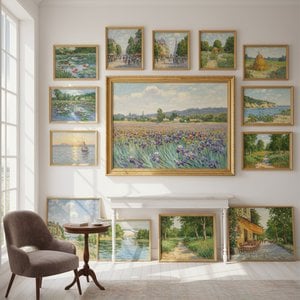
印象派風景を彩った至宝:アート史に名を刻む10選
印象派風景の革新を彩った10選。モネ、ルノワールら巨匠の名作を紐解き、色彩と光が生み出す感動の世界へ。アートの歴史とインテリアのインスピレーションをArtsDot.comで。高品質な複製画で、あなただけの空間を創造しましょう。
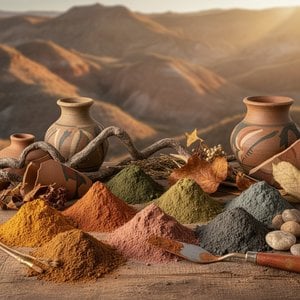
Earthen Hues: Exploring the Psychological & Artistic Significance of Earth Tones
Explore the captivating world of earth tones! Discover their historical significance, psychological impact & artistic techniques. Find inspiration for your home decor and museum-quality reproductions at ArtsDot.

The Resonance of Earth Tones: Exploring Emotional Depth & Artistic Context in Paintings
Explore the captivating world of earth tones in painting! Discover the historical context, emotional resonance, and artistic techniques behind these timeless colors. Learn how to create harmonious spaces with natural palettes.

Impressionistic Realism's Finest: 10 Masterpieces for Your Home | ArtsDot
Journey through Impressionistic Realism with 10 iconic masterpieces by Monet, Renoir & Van Gogh. Explore art history, techniques & find museum-quality reproductions for your home at ArtsDot.com. Discover all masterpieces online!