
 設置イメージを表示
 シェアする
シェアする シェアする
シェアする
 詳細を見る
詳細を見る ガイドを表示

 ダウンロード
 似ている作品
 X線調査
X線調査 スライドショーを表示
 Q&A
Q&A 統計情報
統計情報Nubbli Lighthouse

- 24.0 x 35.0 cm

 詳細を表示
詳細を表示
ジークレー/アートプリント
スピーディーな制作と多彩な仕上げオプションが魅力の、ミュージアムクオリティなジークレー・キャンバスプリント。 ( 手描き複製画を注文する デジタル画像販売へ切り替え)




































作品のオリジナル比率に合わせた、当店の規定サイズからお選びください。

額縁や壁のスペースに合わせて、ご希望の幅と高さを入力してください。プリントはカットすることは可能ですが、元の画像より大きくすることはできないため、異なる比率のサイズを選択された場合は、画像の一部が欠けることになります。印刷を開始する前に、内容を確認していただくためのデジタルモックアップをお送りいたします。このページに表示されている画像は、実際のカット後の状態を示すものではありません。実際の仕上がりはモックアップにてご確認ください。


 ガラスオプションは、110cm未満のサイズでのみご利用いただけます。

Nubbli Lighthouse
ジークレー/アートプリント
複製画サイズ一覧
-


合計金額
¥ 9778
Artistic Style and Technique
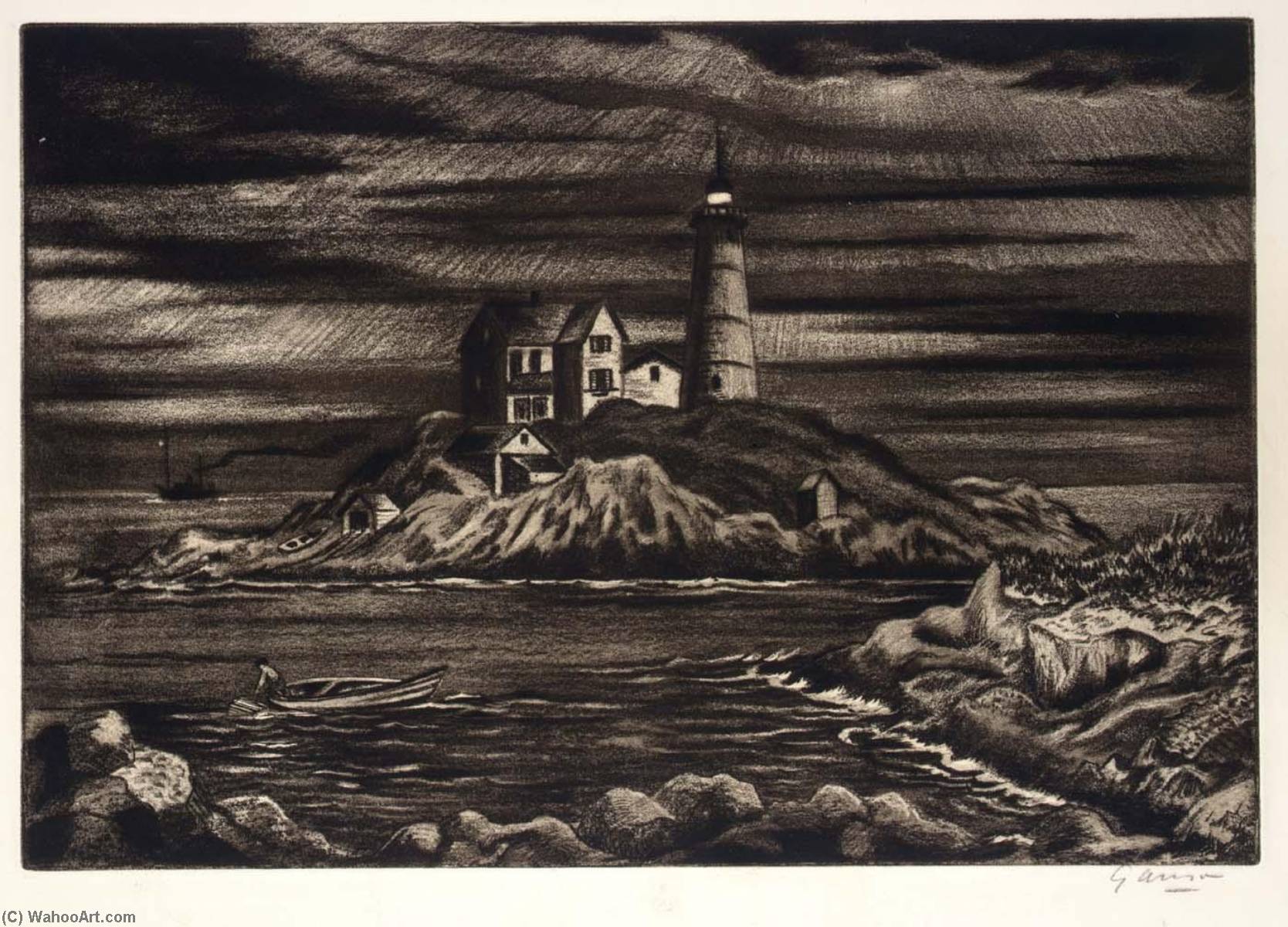
Emil Ganso's unique style and technique are evident in this piece. The use of softground etching, aquatint, and roulette creates a captivating texture and depth to the artwork. The Nubbli Lighthouse is a prime example of modern art, showcasing the artist's ability to experiment with different techniques.Subject Matter
The subject matter of the painting is a lighthouse on a rocky island, with two people standing near it. The presence of a house and a boat in the water adds to the sense of isolation and tranquility. The Nubbli Lighthouse is not only a beautiful artwork but also a reflection of the artist's fascination with the relationship between humans and their environment.- The painting is a great example of landscape art, capturing the essence of a coastal location.
- The use of black and white creates a sense of simplicity and elegance, highlighting the beauty of the subject matter.
- The Smithsonian American Art Museum is home to many other notable artworks, including pieces by Edmund Tarbell and Armin Landeck.
The Nubbli Lighthouse is a must-see for anyone interested in modern art and the work of Emil Ganso. Its unique style, captivating subject matter, and beautiful technique make it a standout piece in the world of art.
Q&A
Emil Ganso作「Nubbli Lighthouse」 の主要な色調は何ですか?
Emil Ganso作「Nubbli Lighthouse」には、Golden Yellow Rangeの色調が全体に広がっています。
「Nubbli Lighthouse」の解説ページはどこにありますか?
「Nubbli Lighthouse」のガイドは、作品の解説資料ページです。このページは印刷可能なファクトシートとなっており、作品のキャプション、クレジット、および詳細情報(作家名、制作年、技法、原寸大、所蔵)をまとめてご確認いただけます。
Emil Ganso作「Nubbli Lighthouse」 の著作権状況の根拠を教えてください。
「Nubbli Lighthouse」の著作権の状態について — パブリックドメイン(著作権消滅) — は、作者の没年である1941に基づいています。
関連作品


作家プロフィール
Emil Ganso (1895–1941): Pioneer of Atmospheric Landscape Painting
Emil Ganso, born Søren Emil Carlsen in Halberstadt, Germany, on November 23, 1895, embarked on a remarkable artistic journey that spanned Europe and America. His formative years were marked by a fascination with German art history—particularly Alexander Dorner’s *The Way Beyond “Art”: The Work of Herbert Bayer*, which profoundly influenced his theoretical approach to painting. This book instilled in him a belief that art should transcend mere representation, striving instead for an essence that captures the spirit of its subject matter. Ganso's early artistic endeavors focused on watercolors and sketches, honing skills that would later serve as the foundation for his distinctive style.- Early Influences: Dorner’s emphasis on abstraction and psychological depth resonated deeply with Ganso, shaping his worldview and informing his artistic vision.
- Move to America (1914): Seeking greater creative freedom, Ganso emigrated to the United States in 1914, establishing himself as a baker while simultaneously pursuing his artistic passions.
The Woodstock Years and Artistic Collaborations
Ganso’s relocation to Woodstock, New York, in 1927 proved pivotal to his artistic development. He joined forces with Jules Pascin, fostering a collaborative spirit that enriched their respective oeuvres. This period witnessed Ganso experimenting with photography alongside fellow Woodstock artists like Yasuo Kuniyoshi and Reginald Marsh—a practice he considered instrumental in enhancing his understanding of color and composition. The influence of Konrad Cramer and Leonard Bocour further solidified Woodstock’s role as a crucible for artistic innovation, shaping Ganso's approach to painting and fostering connections with prominent figures in the art world. Bocour recognized Ganso’s visionary leadership and introduced him to influential artists like Kuniyoshi and Marsh—a testament to Ganso’s enduring impact on American modernism.- Collaboration with Jules Pascin: Their partnership yielded stunning lithographs, demonstrating Ganso's dedication to supporting fellow artists.
- Photography as Artistic Tool: Ganso embraced photography as a means of capturing atmospheric nuances and informing his landscape paintings.
Style and Technique: Atmospheric Luminism
Ganso’s artistic style is characterized by “atmospheric luminism”—a technique that prioritizes conveying mood and emotion through subtle gradations of color and light. He meticulously studied German art books, including Dorner's *The Way Beyond “Art”: The Work of Herbert Bayer*, absorbing insights into abstraction and psychological representation. Ganso’s canvases pulsate with a palpable sense of place—capturing the ethereal beauty of landscapes bathed in diffused sunlight. His meticulous brushwork and masterful use of color create immersive experiences for viewers, inviting contemplation and emotional resonance. He achieved this remarkable feat by studying and experimenting with techniques honed during his formative years in Germany.- Emphasis on Light and Color: Ganso’s paintings prioritize capturing the subtleties of natural light—creating luminous landscapes that evoke profound emotion.
- Detailed Brushwork: His meticulous brushstrokes contribute to the textural richness and atmospheric depth of his compositions.
Notable Achievements and Recognition
Throughout his career, Ganso garnered acclaim for his artistic prowess—receiving prestigious awards such as the Pennell Memorial Medal from the Pennsylvania Academy of the Fine Arts in 1938. His work was exhibited extensively across Europe and America, cementing his reputation as a leading figure in early 20th-century painting. He participated in landmark exhibitions including the 1939 New York World’s Fair and the Golden Gate Exposition in San Francisco—demonstrating his commitment to engaging with contemporary artistic dialogues. Ganso's legacy continues to inspire artists today, securing his place as a visionary innovator who championed atmospheric luminism and profoundly shaped the trajectory of modern landscape painting.
Emil Ganso
1895 - 1941
プロフィール概要
- Full Name: Emil Ganso
- Nationality: German
- Date Of Birth: 1895
- Date Of Death: 1941
- Place Of Birth: Halberstadt, Germany
- Notable Artworks:
- Winter
- Nubbli Lighthouse
- Artistic Movement Or Style: Landscape Art
- Artists Who Influenced This Artist:
- George Bellows
- Ludwig Kirchner
- Artists Or Movements Influenced By This Artist: ['Expressionism']