


 設置イメージを確認
 送る
送る シェア
シェア
 詳細情報
詳細情報 ガイドを表示

 画像をダウンロード
 似ている作品
 X線調査
X線調査 スライドショー
 統計情報
統計情報Spring frost
 Acrylic On Canvas
- WallArt
- Impressionistic Landscape
 1919
1919 157.0 x 206.0 cm
 アートギャラリーオブニューサウスウェルス
 続きを読む
続きを読む
ジークレー/アートプリント
スピーディーな制作と多彩な仕上げオプションが魅力の、ミュージアムクオリティなジークレー・キャンバスプリント。 ( 手描きの複製画を注文する デジタル画像販売へ切り替え)




P118B ¥10

P118H ¥10

P118W ¥10

P438Z ¥10

P508JH ¥12

P508YH ¥12

P805H ¥10

P805Z ¥10

P919BZ ¥10

P919G ¥10

P919XJ ¥10

P959ZH ¥10

P968JZ ¥12

W106C ¥8

W218G ¥10

W218JH ¥8

W218Y ¥10

W307PJ ¥10

W316G ¥10

W316PJ ¥8

W316Y ¥10

W398PJ ¥8

W4111J ¥10

W500HY ¥15

W500JH ¥15

W692G ¥12

W849H ¥8

W940BG ¥15

W953PJ ¥8




作品のオリジナル比率に合わせた、当店の規定サイズからお選びください。

額縁や壁のスペースに合わせて、ご希望の幅と高さを入力してください。プリントはカットすることは可能ですが、元の画像より大きくすることはできないため、異なる比率のサイズを選択された場合は、画像の一部が欠けることになります。印刷を開始する前に、内容を確認していただくためのデジタルモックアップをお送りいたします。このページに表示されている画像は、実際のカット後の状態を示すものではありません。実際の仕上がりはモックアップにてご確認ください。


 ガラスオプションは、110cm未満のサイズでのみご利用いただけます。

Spring frost
ジークレー/アートプリント
複製画サイズ一覧
-


合計金額
¥ 9839
A Dawn of Tranquility: Elioth Gruner’s “Spring Frost”
Elioth Gruner's "Spring Frost," painted in 1919, isn’t merely a depiction of a rural scene; it’s an immersion into the very essence of Australian light and landscape. This evocative work, now residing within the Art Gallery of New South Wales, captures a fleeting moment – the nascent warmth of early morning breaking over a pastoral vista—with a remarkable sensitivity to atmosphere and texture. Gruner, a pivotal figure in Australian Impressionism, masterfully translates the raw beauty of the Emu Plains countryside into a painting that resonates with both serenity and vibrant energy.
The scene unfolds before us: a small herd of dairy cows stands bathed in the soft glow of the rising sun, their forms rendered with a loose, expressive brushstroke. The foreground is dominated by a field of grass, its texture achieved through short, choppy strokes that seem to shimmer with reflected light. Beyond this immediate focus, the eye drifts into a hazy distance, where rolling hills and a muted sky create an expansive sense of space. Gruner’s choice of palette—a symphony of earthy browns, ochres, and subtle blues—evokes the cool tones of dawn while simultaneously injecting warmth through the golden highlights that dance across the cows' hides and the dew-kissed grasses.
The Influence of Light and Color
Gruner’s technique is deeply rooted in the Impressionist tradition, yet he possesses a distinctly Australian sensibility. He wasn’t simply aiming to replicate what he saw; instead, he sought to capture the *feeling* of that moment—the crispness of the air, the warmth on the skin, and the transformative power of light. His use of broken color, characteristic of Impressionism, creates a sense of movement and vibrancy within the painting. The colors aren’t blended smoothly; rather, they are applied in small, distinct strokes, allowing each hue to retain its individual identity and contribute to the overall luminosity of the scene.
Notably, Gruner was influenced by Max Meldrum's theories on color and light, a prominent figure in early 20th-century Australian art. Meldrum’s emphasis on “tone” – the fundamental quality of light—guided Gruner to prioritize capturing the subtle shifts in illumination across the landscape. This pursuit is evident in the painting’s masterful rendering of shadows and highlights, which create a dynamic interplay of form and atmosphere.
A Portrait of Rural Australia
"Spring Frost" isn't just a beautiful landscape; it’s also a poignant reflection on rural life in early 20th-century Australia. The presence of the cows—symbols of industry, sustenance, and connection to the land—underscores the importance of agriculture within the Australian identity. The solitary figure of the farmer, subtly integrated into the scene, suggests a quiet dignity and a deep understanding of his environment. This painting offers a glimpse into a world where life was intimately connected to the rhythms of nature.
Symbolism and Emotional Resonance
Beyond its representational qualities, “Spring Frost” is rich in symbolism. The title itself—"Spring Frost"—evokes a sense of delicate beauty and transient grace. The frost, barely perceptible yet undeniably present, hints at the fragility of life and the ephemeral nature of beauty. The painting’s overall mood is one of peaceful contemplation, inviting the viewer to slow down, appreciate the simple pleasures of rural existence, and connect with the natural world.
Reproductions of “Spring Frost” capture a significant portion of this original atmosphere. The artwork's enduring appeal lies in its ability to transport us to a bygone era—a time when life moved at a slower pace and the beauty of the Australian landscape was deeply revered. It remains a cornerstone of Australian art, embodying both the artistic innovation of its creator and the timeless allure of the bush.
よくあるご質問
「Spring frost」の油彩複製画を注文することはできますか?
エリオット・グルーナー作「Spring frost」の手描き複製画は、こちらの手描き油彩複製画ページからご注文いただけます:リネンキャンバスに手描きされた油彩複製画(受注制作)
「Spring frost」のプリントは、どのような用途でのご利用がおすすめですか?
「Spring frost」のプリントのおすすめの使い方は、Statementです。
「Spring frost」(1919)は、エリオット・グルーナーのキャリアにおけるどの時期の作品にあたりますか?
1919年という制作時期は、エリオット・グルーナーの画業におけるMature Periodに「Spring frost」を位置づけています。
関連作品


アーティストについて
幼少期と芸術への第一歩
1882年12月16日、ニュージーランドの小さな沿岸の町ギスボーンに生まれたエリオット・ローリッツ・レガニエ・グルーナーは、その後の芸術的軌道を静かに形作ることとなる家族環境の中で育ちました。ノルウェー出身の執行官であった父エリオット・グルーナーと、アイルランド人の母メアリー・アン・ブレナンは、彼の中に強靭な精神力と大地との繋がりを植え付けました。この性質は、後に彼の描く情緒豊かな風景画の随所に浸透していくことになります。エリオットが1歳を迎える前に家族がシドニーへ移住したことは、極めて重要な転機となりました。芸術的表現が花開きつつあった環境に身を置くことになったのです。幼い頃から、グルーナーは絵を描くことに対して天性の才能を示していました。その情熱は、賢明な母親によって育まれ、12歳頃には高名なジュリアン・アシュトンによる指導を受ける機会が設けられました。しかし、人生は困難な局面を迎えます。父と兄を相次いで亡くしたことで、グルーエナーはわずか14歳にして重い責任を背負うこととなりました。彼は家族を支えるために労働に従事し、長い時間を仕事に捧げましたが、驚くべきことに、週末には描き続けることをやめませんでした。1901年頃にはシドニーのアーティスト・ソサエティが主催する展覧会に作品を提出しており、その揺るぎない献身ぶりは、彼の芸術家としての魂の強さを物語っています。印象派的なヴィジョンの形成
グルーナーの芸術様式は、時代とともに進化し、様々な源泉から影響を吸収していきましたが、最も顕著な特徴として印象派的なものとして認識されています。彼はオーストラリアの風景における光と大気の移ろいゆく効果を捉える類まれな能力を備えており、その絵画には静謐さと詩的な美しさが宿っています。同時代の画家ノーマン・リンゼイから受けた励ましは、彼の芸術的方向性を決定づける重要な役割を果たし、自信を深め、そのヴィジョンを洗練させる一助となりました。そして1923年から1忘25年にかけてのヨーロッパへの長期滞在が、彼に決定的な変革をもたらします。この経験は極めて深い影響を与え、構図を簡略化させ、パターンや筆致(ブラッシュワーク)により細かな注意を払わせるきっかけとなりました。特に、この時期に受けたサー・ウィリアム・オーペンの建設的な批判は、グルーナーの技法とアプローチを磨き上げる大きな力となりました。オーストラリアへ帰国した後、彼は再び光の研究への情熱を再燃させ、それを色彩と形態への高まった認識と見事に融合させました。この統合によって、技術的に卓越しているだけでなく、感情に訴えかける作品が誕生し、比類なき感性でオーストラリアのブッシュ(原生林)の本質を捉えることに成功したのです。評価と偉大な功績
エリオット・グルーナーの才能は決して見過ごされることはありませんでした。権威あるウィン・プライズにおける継続的な成功は、オーストラリア美術界における指導的な存在としての地位を不動のものにしました。彼は同賞を7回も受賞するという驚異的な快挙を成し遂げました。これは、彼の作品の質と影響力の大きさを雄弁に物語る、前例のない偉業です。受賞作には、ニューサウスウェールズ州の農村部を光り輝くように描いた「Morning Light」(1916年)、光と大気の巧みな表現で称賛された「Spring Frost」(1919年)、そして「The Valley of the Tweed」(1921年)などがあります。ニューサウスウェールズ州立美術館からは、大規模な作品として「The Valley of the受 Tweed」の制作を依頼されることもありました。1927年には個展を開催し、大きな成功を収め、彼の芸術に対する認識と需要の高まりを改めて証明しました。これらの栄誉は単なる技術力の承認に留まらず、オーストラリアの風景の精神を捉え、国家的なアイデンティティを呼び起こす彼の能力に対する、より広範な賞賛の表れでもあったのです。晩年、遺産、そして不朽の魅力
芸術的な勝利の一方で、グルーナーの晩年は健康との闘いでもありました。慢性腎炎に苦しみ、1939年10月17日、ウェイバリーの自宅にてその生涯を閉じました。彼は英国国教会の儀式に従って火葬されましたが、彼が遺した息を呑むような風景画の数々は、今日に至るまで観る者を魅了し続けています。エリオット・グルーナーは、ニューサウスウェールズ州の田園地帯の美しさと静けさを、繊細かつ巧みな技法で捉えた重要な風景画家として記憶されています。ウィン・プライズでの度重なる成功はオーストラリア美術史における彼の地位を確立させ、2014年にキャンベラ博物館・ギャラリーが「Untitled (The Dry Road)」を収蔵したことなどの近年の評価も、彼の作品が持つ不朽の魅力を際立たせています。グルーナーの絵画は、単なる場所の再現ではありません。それは光、大気、そして感情を呼び起こす表現であり、観る者の心に深く共鳴するものなのです。 彼は、観察力、献身、そして芸術的ヴィジョンがいかにして国家の風景の本質を捉え得るかを示す、生きた証として存在しています。主要作品と芸術的特徴
- 印象派的な技法:グルーナーの真骨頂は、印象派的な技法の卓越した駆使にあり、特に光と大気の刹那的な瞬間を捉える能力において際立っていました。
- 風景への焦点:彼は主にオーストラリアの風景、とりわけニューサウスウェールズ州の農村部に焦点を当て、農場や田園、ブッシュランドの情景を描き出しました。
- 光と色彩の調和:彼の作品は、色彩の調和のとれた融合と繊細な光の描写を特徴とし、静謐さと安らぎを感じさせます。
- 代表的な作品:「Morning Light」、「Spring Frost」、「The Valley of the Tweed」、そして「Untitled (The Dry Road)」などは、彼の最も名高い作品として知られています。
- 影響と遺産:グルーナーの仕事は、今なお芸術家や美術愛好家にインスピレーションを与え続け、オーストラリア美術史における重要な人物としての地位を確固たるものにしています。 模範的な表現
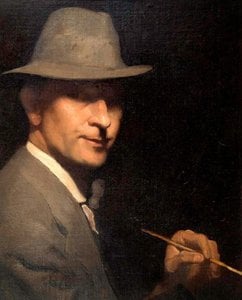
エリオット・グルーナー
1882 - 1939 , ニュージーランド
アーティスト情報
- Artistic Movement Or Style: 印象派
- Artists Who Influenced This Artist:
- ジュリアン・アシュトン
- ノーマン・リンジー
- ウィリアム・オーペン
- Date Of Birth: 1882年12月16日
- Date Of Death: 1939年10月17日
- Full Name: エリオット・ローリッツ・レガニヤー・グルーナー
- Nationality: オーストラリア人
- Notable Artworks:
- モーニング・ライト
- スプリング・フロスト
- トゥイードの谷
- Place Of Birth (City And Country): ニュージーランド、ギスボーン
関連記事

Evocations of Place: A Historical Journey Through Landscape Art
Explore the rich history of landscape art with ArtsDot. Discover renowned artists, movements like Impressionism & Romanticism, and expert guidance for collecting timeless pieces. Find your perfect serene escape today!

Cultivating Visions: A Historical Journey Through Rural Landscapes in Art
Explore the rich history of rural landscape painting with ArtsDot. Discover Impressionist masterpieces, key artists & movements. Find your perfect serene artwork and bring nature's beauty home.

ジョン・コンスタブルの傑作25選:英国風景画の巨匠が描く自然と光の詩 | ArtsDot
ジョン・コンスタブルの傑作25選。英国風景画の巨匠が描く自然と光の詩の世界へ。ロマン主義を代表する絵画、デダム・ヴェールやヘイ・ウェインなど、ArtsDotで高品質なアートプリントをお楽しみください。インテリアに深みと感動を。コレクションはこちら。

Evoking Arcadia: A Historical & Aesthetic Exploration of Rural Landscape Art
Explore the rich history of pastoral landscape art, from classical Arcadia to Impressionism & beyond. Discover key artists, movements, and how to collect serene rural scenes for your home. Expert insights at ArtsDot.

ロマン派ランドスケープ:時代を彩る巨匠の10選|アートとインテリアの世界
ロマン派絵画の時代を彩る10選。巨匠たちの風景が織りなす感動の世界へ。ターナー、ルーベンスなど、名作の裏話と高精細複製でアートをお部屋に。ArtsDot.comで至福のアート体験を。