


 設置イメージを確認
 送る
送る シェア
シェア
 詳細情報
詳細情報 ガイドを表示

 画像をダウンロード
 似ている作品
 X線調査
X線調査 スライドショー
 統計情報
統計情報Winding Brook
 Oil On Canvas
- WallArt
- Expressionism
 1906
1906 30.0 x 24.0 cm
 続きを読む
続きを読む
ジークレー/アートプリント
スピーディーな制作と多彩な仕上げオプションが魅力の、ミュージアムクオリティなジークレー・キャンバスプリント。 ( 手描きの複製画を注文する デジタル画像販売へ切り替え)




P118B ¥10

P118H ¥10

P118W ¥10

P438Z ¥10

P508JH ¥12

P508YH ¥12

P805H ¥10

P805Z ¥10

P919BZ ¥10

P919G ¥10

P919XJ ¥10

P959ZH ¥10

P968JZ ¥12

W106C ¥8

W218G ¥10

W218JH ¥8

W218Y ¥10

W307PJ ¥10

W316G ¥10

W316PJ ¥8

W316Y ¥10

W398PJ ¥8

W4111J ¥10

W500HY ¥15

W500JH ¥15

W692G ¥12

W849H ¥8

W940BG ¥15

W953PJ ¥8




作品のオリジナル比率に合わせた、当店の規定サイズからお選びください。

額縁や壁のスペースに合わせて、ご希望の幅と高さを入力してください。プリントはカットすることは可能ですが、元の画像より大きくすることはできないため、異なる比率のサイズを選択された場合は、画像の一部が欠けることになります。印刷を開始する前に、内容を確認していただくためのデジタルモックアップをお送りいたします。このページに表示されている画像は、実際のカット後の状態を示すものではありません。実際の仕上がりはモックアップにてご確認ください。


 ガラスオプションは、110cm未満のサイズでのみご利用いただけます。

Winding Brook
ジークレー/アートプリント
複製画サイズ一覧
-


合計金額
¥ 9758
A Glimpse into Early Expressionism: Egon Schiele’s ‘Winding Brook’
Egon Schiele's 1906 oil on panel, *‘Winding Brook’*, offers a captivating window into the nascent stages of Austrian Expressionism. Measuring just 30 x 24 cm, this intimate landscape belies a depth of emotion and artistic exploration that would come to define Schiele’s tragically short but impactful career. The painting depicts a forest path bathed in autumnal hues, inviting viewers on a visual journey through nature's tranquility – yet hinting at the psychological complexities simmering beneath the surface.Subject & Composition: A Path Through the Woods
The composition centers around a winding pathway that draws the eye deep into the woodland scene. Fallen yellow leaves generously litter the path and reflect in a subtle stream, creating a sense of seasonal transition and quietude. Towering trees frame the path on either side, their forms rendered with varying degrees of detail to suggest depth and atmosphere. Two strategically placed benches offer moments of respite within this natural setting, subtly inviting contemplation and human presence into the scene. The diagonal thrust of the pathway is masterful, creating a dynamic energy that prevents the composition from feeling static.Style & Technique: Impressionistic Roots with an Expressionist Gaze
While rooted in Impressionism – evident in the visible brushstrokes and focus on capturing light and atmosphere – *‘Winding Brook’* foreshadows Schiele's later, more radical Expressionist style. The application of paint is loose and textured, building up layers to create a luminous quality. Unlike the detached observation of some Impressionists, however, Schiele infuses the scene with an emotional charge. His brushwork isn’t merely descriptive; it *feels* – conveying a sense of melancholy and introspection that would become hallmarks of his oeuvre.Historical Context & Influences: A Young Artist Finding His Voice
Created during a pivotal period in art history, *‘Winding Brook’* reflects the shifting artistic landscape of early 20th-century Europe. Schiele was deeply influenced by artists like Paul Cézanne, whose exploration of form and color is echoed in the painting's structure and palette. The work also shares affinities with landscapes by Peder Mork Monsted, particularly in its atmospheric perspective and depiction of light filtering through trees. However, even at this early stage, Schiele was beginning to forge his own unique path, moving beyond mere imitation towards a more subjective and emotionally resonant style.Symbolism & Emotional Impact: Nature as Mirror
The winding brook and forest path can be interpreted symbolically as representing the journey of life – its twists, turns, and moments of quiet reflection. The benches suggest opportunities for pause and contemplation along the way. While seemingly serene, there’s an underlying current of unease in the painting, a premonition of the psychological turmoil that would characterize much of Schiele's work. *‘Winding Brook’* isn’t simply a depiction of nature; it’s a projection of inner states onto the natural world – a key characteristic of Expressionism.Collecting & Interior Design: Bringing Early Modernism Home
High-quality reproductions of Egon Schiele's ‘Winding Brook’ are available, offering an accessible way to incorporate a piece of art history into your collection or interior design scheme. The painting’s warm autumnal palette and intimate scale make it particularly well-suited for smaller spaces – bedrooms, studies, or reading nooks. Its blend of Impressionistic beauty and Expressionist intensity adds depth and sophistication to any environment. *‘Winding Brook’* pairs beautifully with natural materials like wood and linen, enhancing its connection to the natural world.- Consider pairing this artwork with furniture in muted earth tones to complement its color scheme.
- The painting's intimate size makes it ideal for creating a focal point within a gallery wall arrangement.
- Its melancholic mood can add depth and intrigue to a minimalist interior.
よくあるご質問
「Winding Brook」は、エゴン・シエレが繰り返し描いてきた主題の中でどのような位置を占めているのでしょうか?
「Winding Brook」はautumn forest, winding path, yellow leaves, forest scene, schiele landscape, expressionist art, nature paintingを描いていますが、エゴン・シエレのこれまでのテーマとして記録されているのはearly expressionist work, exploration of form & line, intense emotionality, cezanne's landscapes, monsted's forest paths, bold color palettes, austrian expressionism, psychological themesです。この二つを比較することで、本作が作家のいつもの主題とどのように関連しているかが明らかになります。
エゴン・シエレ作「Winding Brook」の輝度はどのくらいですか?
「Winding Brook」の色調は、Gentle Luminanceの輝度を示しています。
エゴン・シエレ作「Winding Brook」は、縦長、横長、それとも正方形の構図ですか?
「Winding Brook」の形式はPortraitです。これは、複製画を飾る場所を検討する際に役立ちます。
関連作品


アーティストについて
表現の中に刻まれた生涯
1890年、オーストリアのトゥルン・アン・デア・ドナウに生を受けたエゴン・シーレの人生は、類まれな芸術的ヴィジョンと、深い個人的な苦難が交錯する激動の旅路でした。彼の幼少期は、病と喪失の影に覆われていました。わずか14歳の時、父が梅毒によってこの世を去った悲劇は、その後の彼の作品に深く共鳴し、死への執着や存在の儚さというテーマに火をつけることとなります。当初は母に、その後は叔父レオポルド・チハチェックによる、やや支配的な後見のもとで育ったシーレの子供時代には、一般的な安定こそ欠けていたものの、そこから強烈な独立心が養われました。少年時代から彼は鉄道に対して深い魅惑を抱いており、そのモチーフは後の絵画にも密かに姿を現します。また、芽生えつつあった描画の才能は、当初、実利的な道から逸れるものとして父の不興を買うこともありましたが、こうした形成期の経験が、彼の中に鋭い感受性と剥き出しの感情をもたらしました。それは、生と死、そして人間という存在の本質を問い続ける、彼の芸術表現の代名詞となることになります。
ウィーンという試練:芸術的発展
シーレの正式な芸術教育は、ウィーンの工芸学校(Kunstgewerbeschule)から始まりましたが、彼はすぐにその保守的なアプローチに閉塞感を抱くようになります。その後、美術アカデミー(Akademie der bildenden Künste)へと移るものの、厳格なアカデミズムの伝統に対してさらなる幻滅を感じることとなりました。この不満は、彼に正式な訓練を放棄させることにつながりましたが、それは自らの道を切り拓こうとする揺るぎない芸術的信念の証でもありました。初期の年月において、グスタフ・クリムトの影響は決定的なものでした。シーレはクリムキムトの装飾的な様式や象徴性の探求に敬意を払い、その大家から直接的な指導を受けることもありました。しかし、シーレはやがてクリムトの美学から離脱し、剥き出しの誠実さと心理的な強烈さを特徴とする、極めて個性的な独自の声を確立していきます。1909年には「新ウィーン芸術集団」を共同設立し、既存の芸術規範に挑む進歩的な芸術家たちと肩を並べました。初期の作品、とりわけ不安をかき立てる肖像画や自画像は、歪んだ人物像と触知できるほどの脆弱性を描き出し、感情の混乱を力強く表現する声明として現れ始めました。これらの絵画は単なる肉体の描写ではなく、人間の精神を苛む不安、欲望、恐怖といった「内なる風景」の探求だったのです。彼は、目に見えるものとしてではなく、自らが感じたものを描こうとしたのでした。
剥き出しの感情と揺るぎない真実
エゴン・シーレの芸術は、その生々しい誠実さと心理的な深みによって、一目でそれと分かります。彼は、性、死、不安、孤独といった、しばしばタブーとされるテーマに対し、逃げ隠れすることのない眼差しで立ち向かいました。彼の独特な様式は、引き伸ばされた肢体、ねじ曲がったポーズ、そして不安感や感情の昂ぶりを伝える表現力豊かな線によって特徴づけられます。人体、特に裸体は彼の主要な主題となりましたが、それは理想化された美の対象としてではなく、人間体験の複雑さを探求するための器としての役割を果たしていました。自画像は彼の作品群の重要な部分を占め、孤独と自己疑念に満ちた彼自身の内面世界を、親密なほど間近に覗かせます。彼は自分自身を、決して美化することなく、あえて不格好で脆弱な姿で描くことを厭いませんでした。そこには深い自己認識と内省が宿っています。自画像にとどまらず、シーレは他者の肖像も数多く描き、表面の下に潜む真実を突き刺すような、不穏なまでのリアリズムでその人物像を捉えました。風景画は人物画ほど中心的ではありませんでしたが、形態と色彩の習熟を示しており、しばしば肖像画と同様の感情的な強烈さを反映しています。特にシーレの作品において「線」の使用は際立っています。それは単に形を定義するための道具ではなく、感情や心理的緊張を伝える表現力としての力を持っています。また、繊細で紙のような外皮を持つホオズキ(Physalis)のような繰り返されるモチーフは、死と無常の象徴として、彼の死への執着をさらに強調しています。
断ち切られた遺産:業績と意義
検閲や法的困難――自身の芸術によって未成年者を堕落させたという容疑による短期間の投獄を含む――に直面しながらも、シーレはウィーンの前衛的なサークルにおいて確かな地位を築きました。彼の作品は当時の慣習に挑み、称賛と憤慨の両方を巻き起こしました。1918年、スペイン風邪のパンデミックの中で28歳という若さで早すぎる死を迎えるまでに、彼はオーストリア表現主義の旗手としての地位を確立していました。ホオズキのある自画像、抱き合うカップル、
- 主要なテーマ: 死、性、孤独、心理的葛藤
- 影響を受けたもの: グスタフ・クリムト、ウィーン分離派、個人的なトラウマ
- 様式の特徴: 引き伸ばされた肢体、ねじ曲がったポーズ、表現力豊かな線、剥き出しの感情

エゴン・シエレ
1890 - 1918 , オーストリア
アーティスト情報
- Artistic Movement Or Style: 表現主義
- Artists Who Influenced This Artist: ['グスタフ・クリムト']
- Date Of Birth: 1890年6月12日
- Date Of Death: 1918年10月31日
- Full Name: Egon Leo Adolf Ludwig Schiele
- Nationality: オーストリア
- Notable Artworks:
- フィザリスと自画像
- 抱擁する男女
- クロウズベルクの風景
- Place Of Birth: オーストリア・トゥルン
関連記事

Egon Schiele: Expressionism, Anxiety & the Modern Condition – A Comprehensive Exploration
Explore the emotionally charged world of Egon Schiele (1890-1918). Discover his Expressionist masterpieces, psychological themes, and lasting impact on modern art. A comprehensive guide for collectors & enthusiasts.

Evocations of Place: A Historical Journey Through Landscape Art
Explore the rich history of landscape art with ArtsDot. Discover renowned artists, movements like Impressionism & Romanticism, and expert guidance for collecting timeless pieces. Find your perfect serene escape today!

Expressionist Painting: 10 Masterpieces That Defined a Movement | ArtsDot
Explore 10 Expressionist paintings that revolutionized art! Discover Munch, Kirchner & Kandinsky's iconic works. Find museum-quality reproductions and vibrant canvas prints to elevate your home decor on ArtsDot.com.

ロマン派ランドスケープ:時代を彩る巨匠の10選|アートとインテリアの世界
ロマン派絵画の時代を彩る10選。巨匠たちの風景が織りなす感動の世界へ。ターナー、ルーベンスなど、名作の裏話と高精細複製でアートをお部屋に。ArtsDot.comで至福のアート体験を。
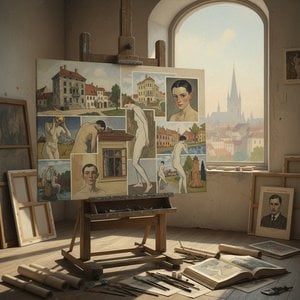
エゴン・シーレ傑作25選:魂を揺さぶる表現主義の世界 | ArtsDot
エゴン・シーレの傑作25選。表現主義を代表するオーストリアの画家、その魂を揺さぶる人物画や自画像の世界へ。ArtsDotで名画の複製画とインテリアアートをお楽しみください。コレクションを見る▶


