


選択した条件に基づいた画像: , .
作品解説
Egon Schiele’s ‘Moa’ (1911) captures a dancer enveloped in rich textiles, showcasing his innovative Expressionist style and departure from Klimt's influence. Explore the painting’s striking contrasts & emotive power.
 詳細を表示
詳細を表示
手描き油彩複製画
当社のアーティストが、ご希望のサイズと額縁に合わせてキャンバスに手描きで制作する、オーダーメイドの油彩画です。 ( プリント版に切り替え デジタル画像販売へ切り替え)
この絵画の詳細を見る
 設置イメージを表示
 シェアする
シェアする シェアする
シェアする
 詳細を見る
詳細を見る ガイドを表示

 ダウンロード
 似ている作品
 X線調査
X線調査 スライドショーを表示
 Q&A
Q&A 統計情報
統計情報絵画のご注文は、わずか4つの簡単なステップで完了します
ゆっくりとお選びください。回答はいつでも変更可能です。選択内容に応じて、注文カート内の価格が随時更新されます。
1 全4ステップ中のステップ1
サイズをご選択ください。
これらのサイズは、原画の比率を維持しています。図は、高さ2メートルのソファの上の壁に、選択したサイズを配置した際のイメージです。
または、ご希望のサイズを指定する
作品のオリジナル比率に合わせた、当店の規定サイズからお選びください。

フレームや壁のスペースに合わせて、ご希望の幅と高さを入力してください。本作品は手描きのため、異なる比率のサイズをご希望の場合、絵画の周囲を少し広げて描くか、あるいは端を少しカットして調整することが可能です。お客様のご要望に合わせます。制作を開始する前に、仕上がりを確認するためのデジタルモックアップをお送りいたします。このページに表示されている画像は完成品の実物ではなく、あくまでモックアップによるイメージです。
2 4ステップ中の2番目
どのような状態での配送をご希望ですか:ロール状、キャンバス張り、または額装済み?
以下の価格は、ステップ1で選択されたサイズに基づいています。
キャンバスの側面仕上げを選択
フレームを選択

白の側面仕上げ ¥1

エッジぼかし仕上げ ¥1

回り込み仕上げ ¥1

P118B ¥10

P118H ¥10

P118W ¥10

P438Z ¥10

P508JH ¥12

P508YH ¥12

P805H ¥10

P805Z ¥10

P919BZ ¥10

P919G ¥10

P919XJ ¥10

P959ZH ¥10

P968JZ ¥12

W106C ¥8

W218G ¥10

W218JH ¥8

W218Y ¥10

W307PJ ¥10

W316G ¥10

W316PJ ¥8

W316Y ¥10

W398PJ ¥8

W4111J ¥10

W500HY ¥15

W500JH ¥15

W692G ¥12

W849H ¥8

W940BG ¥15

W953PJ ¥8

H24-GOLD ¥30

H24-SILVER ¥30

H36-GOLD ¥45

H36-SILVER ¥45
額装済み
額縁の形状: . 額縁を含む全体サイズ: .
3 4ステップ中の3ステップ目
絵画の内容に変更をご希望されますか?
ほとんどの方は「いいえ」と答えます。一枚一枚が手描きであるため、アーティストがお客様のご要望に合わせて調整することも可能です。
ご注文後、ArtsDot.com のチームより詳細な手順についてメールをお送りし、仕上がりイメージ(モックアップ)をご提示いたします。
4 4ステップ中、第4ステップ
仕上げのオプション(数種類)
すべて任意です。すでに選択されている回答に追加料金はかかりません。
作者は誰?
美術館にあるような、銘板(ネームプレート)を。
刻印入りブロンズプレートの詳細
This elegant plaque features the artist's name and the title of the artwork, finely engraved for a timeless presentation.
It is made from bronze with a refined, elegant finish. The text is precisely laser-engraved for a sharp and permanent result. Measuring 9x2 cm, the plaque is compact yet easy to read. It's built to be durable and scratch-resistant, offering a professional, museum-quality look. Mounting is simple thanks to the included adhesive backing.
透明アクリル銘板の詳細
The plaque includes essential engraved details such as the artist's name, the title of the artwork, the date it was created, the type of media used-like oil on canvas or watercolor-a brief description of the piece, and a QR code that links to the complete artwork information.
It is crafted from clear acrylic, offering a sleek, modern appearance. The text is UV-engraved in black to ensure strong visual contrast. With a size of 10x15 cm, it ensures optimal readability. It comes equipped with two metal hooks for secure wall mounting. The plaque is designed to be weather-resistant, making it suitable for various environments, and it includes interactive features that work seamlessly with smartphone scanning.
黒アクリル製銘板の詳細
This elegant plaque includes engraved information such as the artist's name, the title of the artwork, the date it was created, the type of media used (like oil on canvas or watercolor), a short description of the artwork, and a QR code for quick access to more information.
The plaque itself is made from refined black acrylic with a premium finish. The text is laser-engraved in white for high contrast and readability. Its size is 10x15 cm, designed to be easy to read. It comes with two metal hooks for professional mounting. The design is sleek and fits any interior style. It is also weather-resistant and durable, with built-in digital integration for mobile compatibility.
保護用ニスをご希望ですか?
お届け希望日をお選びください
✓ 内容を確認して注文する
ご注文通りの絵画内容

Moa
再現技法
複製画サイズ一覧
-

至高の熟練アーティスト
より細部までこだわった表現、洗練された技術、そして十分な制作時間
-

複製画用フレーム
-
-
いずれかの辺が105 cm(約41インチ)を超えるアートワークまたは複製画の場合、フレームは分解されたキットの状態でお届けいたします。この方法は、輸送中の破損を防ぎ、安全に配送するために採用しております。
組み立てには専門知識が必要です(DIY用製品ではありません)。
本キットは、経験豊富なプロの額装師が、木工用ボンド(別売)、キャンバス用プライヤー、およびボンドの乾燥時に桟を直角に保持するためのクランプを使用して、組み立ておよびキャンバスの張り作業を行う必要があります。不適切な組み立てやキャンバスの張りの不均一は、作品に永久的な損傷を与える恐れがあり、弊社の保証対象外となります。
 いずれかの辺が105 cm(約41インチ)を超えるアートワークまたは複製画の場合、フレームは分解されたキットの状態でお届けいたします。この方法は、輸送中の破損を防ぎ、安全に配送するために採用しております。
すべての無垢材のパーツが含まれており、組み立てに最適なサイズに正確にカットされています。
付属のネジを使用し、角の接合部には別途木工用ボンドをご用意ください(ボンドは付属しておりません)。ボンドは額装業者様にてご手配をお願いいたします。
プロ仕様の道具が必要ですが、キットには含まれていません:キャンバス用ストレッチングプライヤー(テンショナー)、および接着剤が乾燥するまで木枠を直角に固定するためのクランプ。
重要:
コーナーの接合部には木工用ボンドが必要です。また、ボンドが完全に乾くまでクランプでバーを固定しておく必要があり、組み立てたフレームにキャンバスを張るにはキャンバス用ストレッチングプライヤーが必要となります。これらの道具はキットに含まれておりません。このサイズをご注文される前に、経験豊富なプロの額装師(フライマー)の手配をお願いいたします。

キャプション
-
-

保護用ワニス
光沢ワニス(色彩を鮮やかに引き立て、光や湿気から保護します)
-

作品をカスタマイズ
カスタマイズの例:顔をお客様の写真に差し替える、ペットを追加する(例:猫を犬に変更)、背景に隠しメッセージを入れる、背景の風景や要素を変更する。
-

お急ぎ便
世界中への配送()は、通常の5週間ではなく、3〜4週間でお届けいたします。(16 11月)。品質には一切の妥協を許しません。
-
お急ぎ便
世界中への配送()は、5週間ほどでお届けします。(23 11月)。
込み
合計金額
¥ 41529
ガラスオプションは、110cm未満のサイズでのみご利用いただけます。
すべての注文に同梱
- 世界中へ無料エクスプレス配送
- 高品質なリネンキャンバス
- 配送時完全保険付
- 関税・輸入税の払い戻し保証
- 真の色彩再現に関する保証
- 100日間返品保証(製造上の欠陥がある場合のみ)
- 100% 全額返金保証
- まとめ買い割引のご案内


Egon Schiele’s “Moa”: A Study in Vulnerability and Expressionist Boldness
The painting "Moa" by Egon Schiele, created in 1911, stands as a haunting testament to the artist's preoccupation with mortality and his masterful manipulation of color and form. It depicts a dancer—referred to as Moa—immersed within richly patterned textiles, capturing Schiele’s distinctive Expressionist style and decisively departing from Klimt’s opulent ornamentation. This artwork immediately draws the eye with its striking contrasts: the vibrant hues of the fabric juxtaposed against the stark simplicity of the nude figure beneath, creating a visual tension that speaks volumes about the psychological landscape of the era.A Departure From Klimt's Influence
Schiele’s artistic vision was profoundly shaped by Klimt’s decorative style—particularly “The Kiss”—but he resolutely rejected its gilded surface and stylized figures. Instead, Schiele prioritized raw emotion and anatomical precision, pushing boundaries of representation to convey inner turmoil. The dancer is rendered in a manner that eschews idealized beauty; her body is painted in reds and blues, colors often associated with passion and sorrow respectively, highlighting the vulnerability inherent in the human condition—a theme central to Schiele’s oeuvre.Technique and Composition: Bold Lines and Fragmented Form
Schiele employed a meticulous technique characterized by bold lines and fragmented form. Pencil strokes delineate the contours of the dancer's body with unwavering certainty, emphasizing her physicality while simultaneously conveying a sense of instability. The drapery—a dominant element in the composition—is rendered in geometric patterns that serve to obscure the nude figure beneath, creating an illusionistic depth that amplifies the painting’s emotional impact. This deliberate fragmentation reflects Schiele’s exploration of psychological states and his rejection of traditional artistic conventions.Symbolism: Facing Mortality
“Moa” embodies a powerful symbolic resonance rooted in Schiele's fascination with death and decay—themes recurrent throughout his work. The dancer’s gaze, directed upwards and slightly off-center, suggests defiance yet simultaneously conveys a profound awareness of mortality. This subtle gesture underscores Schiele’s belief that art should confront uncomfortable truths about human existence. The artist’s use of color – particularly the reds and blues – reinforces this symbolic dimension, representing passion and sorrow—the fundamental emotions underpinning the experience of life and death.Emotional Impact: A Portrait of Anxiety
Ultimately, “Moa” succeeds in capturing a palpable sense of anxiety and vulnerability. Schiele's masterful rendering of human anatomy combined with his expressive use of color creates an image that lingers in the viewer’s mind long after encountering it. It is not merely a depiction of a dancer; it is a portrait of the human spirit grappling with existential questions—a timeless masterpiece that continues to resonate with audiences today. The painting invites contemplation on themes of fragility, beauty and confronting one's own mortality.- Artist: Egon Schiele
- Year Created: 1911
- Medium: Watercolor and Pencil
- Style: Expressionism
Q&A
拡張現実(AR)を使って、自分の部屋にエゴン・シーレ作「Moa」を配置して見ることはできますか?
エゴン・シーレ作「Moa」のARで見るページでは、対応端末を使用して拡張現実(AR)により、作品をご自身の空間に表示してご確認いただけます。
「Moa」は、エゴン・シーレの作品群の中でどのような位置を占めているのでしょうか?
エゴン・シーレの作品群において、「Moa」はExpressionist様式に属しており、klimt influence, psychological anxiety, mortality obsession, female nude, expressionist styleというテーマを共有しています。
エゴン・シーレ作「Moa」 のプリントはどこで購入できますか?
「Moa」はコットンキャンバス、またはアーカイブ品質のキャンバスペーパーに施されたファインアートプリントとしてご購入いただけます。ご注文はファインアートプリントページにて、お好みのサイズでお選びいただけます。
関連作品


エゴン・シーレ
1890 - 1918, オーストリア
作家プロフィール
エゴン・シーレの生涯
オーストリアの下部ウィーン州に位置するトゥルンは、エゴン・シーレの物語が幕を開ける場所である。1890年6月12日に生を受けた彼は、オーストリア=ハンガリー帝国の厳格な社会構造が支配する世界へと足を踏み入れた。父アドルフ・シーレはオーストリア連邦鉄道の駅長として地元の駅を切り盛りし、母マリーは旧姓ソクープとして知られていた。家族という枠組みの中で、エゴンは三人の姉妹、エルヴィラ、メラニー、そしてガートルデと共に成長していく。
しかし、この平穏な家庭生活は、早すぎる時期に崩壊の兆しを見せる。病の影が家庭を覆い、若き芸術家の精神に消えることのない傷跡を刻み込んでいった。これらの個人的な喪失は、単なる過去の出来事として過ぎ去ることはなかった。それは彼の後の作品の髄にまで深く浸透していくことになる。彼は、死という避けられぬ運命に対する鋭敏な感受性を抱えたまま世界を歩み、それが後にオーストリア表現主義における彼の地位を決定づけることになる。彼の存在そのものが、内なる葛藤をキャンバスの表面へと翻訳しようとする、果てしない闘いとなったのである。
彼の歩みは、変容し続けるヨーロッパの情勢の渦中へと彼を導いていく。伝統的なアカデミズムの規範と、剥き出しの心理的真実を求める切実な衝動との間で、彼は激しく揺れ動く。エゴン・シーレの人生とは、人間という存在の本質との、激しく、時に痛みを伴う対峙の連続であった。彼は、世界を目に見える通りに写し取ろうとしたのではない。神経系の中で震える、生々しい感覚を描き出そうとしたのである。
幼少期、家族、そして修練の時代
エゴン・シーレの幼少期における平穏は、1904年に突如として崩れ去ります。駅長を務めていた父アドルフ・シーレが、梅毒によってこの世を去ったのです。トリエステでの新婚旅行中に感染したとされるその病は、家族を困窮へと突き落としただけでなく、若き芸術家の精神に、父の混乱と怒りという深い影を刻み込みました。エゴンは、義理の叔父であるレオポルド・チハチェックの保護のもと、三人の姉、エルヴィラ、メラニー、ゲルトルートと共に育ちます。こうした激動の歳月の中でさえ、彼が抱き続けた鉄道への情熱は消えることはなく、そのモチーフは後に彼の作品の中に静かに、しかし確かに姿を現すことになります。
彼の芸術的な歩みは、家庭教師ルートヴィヒ・カール・シュトラウフの指導のもとで始まります。1906年、シーレはさらなる研鑽を求めてウィーンへと渡り、美術アカデミー(Akademie der bildenden Künste)への入学を果たします。しかし、そこにあるのは極めて保守的で厳格な空気でした。彼は、クリスチャン・グリーペンケル教授による超保守的な教授法に対し、次第に強い違和感を抱くようになります。その摩擦は、やがて無視できないものとなり、厳格なアカデミズムの伝統の中で三年の歳月を過ごした後、エゴン・シーレは自らの道を切り拓くためにアカデミーを去り、独立した芸術家としての歩みを始める決意を固めるのでした。
彼の運命を決定づける大きな転換点は、グスタフ・クリムトとの出会いでした。既に高名な芸術家であったクリムトは、若き画家にとってのメンターとなり、モデルを紹介し、彼をウィーン分離派の社交界へと導いていきます。この出会いこそが、伝統との葛藤に身を焦がす一人の学生を、新興アヴァンギャルドの中心人物へと変貌させる決定的な契機となったのです。
ウィーンにおける芸術的発展
ウィーンは、エゴン・シーレの創造的な葛藤が渦巻く中心地となりました。彼は街の芸術界を渡り歩き、やがてグスタフ・クリムトとの出会いを果たします。この邂逅は、彼の芸術的軌道における決定的な転換点となりました。師であるクリムトの影響を吸収しながらも、シーレは単にウィーン分離派の装飾的な様式を模倣することに留まりませんでした。むしろ、彼はあえて装飾を削ぎ落とし、より本能的で剥き出しの真実を追い求めたのです。1909年までには、既存の秩序に真っ向から挑むべく、「新ウィーン芸術集団」や「新芸術集団」の共同設立に奔走します。これらの動きは、彼が伝統という枠組みから決別したことを雄弁に物語っています。
都市の喧騒と静かな郊外の間を、絶えず揺れ動くような彼の足跡は、ウィーン、クレムス、クロスターノイブルク、ノイレンバッハ、そしてプラハへと広がっていきました。この地理的な広がりは、彼の精神的な拡張とも重なり合っています。初期の修行時代における形式的な制約から解き放たれた彼の芸術は、人間のありのままの姿を、無防備なまでに深く探求する方向へと進化していきました。進化し続けるスケッチや構図の端々には、当時の時代が孕んでいた緊張感が鮮烈に刻み込まれています。
- レオポルド・チハチェックの肖像、1907年
- 美術批評家アルトゥル・ローラースの肖像、1910年
- 三人の男性裸体による構図、1910年
技法と表現主義的スタイル
エゴン・シーレのヴィジョンを突き動かす原動力は、その「線」にあります。彼の描く線は、単に形態を縁取るための道具ではありません。それは、神経質で落ち着きのないエネルギーを孕み、まるで震えているかのように躍動しています。彼は表現力豊かな線を用いることで、人間の内面に潜む心理的な緊張を鮮明に描き出し、それがしばしば、ねじ曲がったポーズや歪んだ身体の形となって現れます。描かれる人物たちは引き伸ばされたように見え、その肢体は不安感を伝えるために自然な比率を超えて長く、あるいは歪んで描かれています。これは解剖学的な完璧さを追求するものではなく、対象の精神状態を剥き出しにしようとする試みなのです。肌の色調は、しばしば痩せこけたようであったり、病的な色合いを帯びていたりしますが、それは人間の脆さや肉体的な脆弱性を強調するためなのです。
媒体によって技法は異なりますが、そこに込められた強烈な熱量は常に変わりません。水彩画においては、ゆったりとした色彩のウォッシュ(ぼかし)を駆使して奥行きと情緒を生み出し、しばしば紙面の多くを空白のまま残すことで、孤独感をより一層際立たせています。一方で、キャンバスに油彩で描く際には、素描に見られるような、鋭く切迫した筆致がそのまま反映されます。また、二次元の平面を超えて、彼は彫刻という形でも造形を探求しました。粘土や石膏を用い、人間の存在が持つ重みを捉えようと試みたのです。
主要な主題と傑作たち
エゴン・シーレにとって、キャンバスは心理的な深層を掘り下げるための探求の場でした。彼は、死、性、不安、そして孤独という、逃れようのない重苦しい存在に対し、一切の虚飾を排した誠実さをもって立ち向かいます。1915年に生み出された死と乙女は、死の予感とエロスが交錯する象徴的な作品です。そこに描かれた人物たちは、張り詰めた緊張感の中に存在しており、彼の芸術観を形作る内面的な葛藤を鮮烈に反映しています。彼はしばしば、目に見えない精神の状態を写し出すために人体へと回帰し、肉体を存在の複雑さを盛るための器として用いるのです。
また、自画像は彼にとって、自己の内面を覗き込むための繰り返される内省の手法でもありました。彼は決して洗練された美しさを提示しようとはせず、むしろ歪んだポーズや痩せこけた姿を通じて、剥き出しの脆弱性を描き出します。ホオズキのある自画像において、彼はホオズキを反復されるモチーフとして用いています。その繊細で紙のような外皮を持つ植物は、無常観と生命の儚さを象徴しています。この植物という要素は、腐敗への執着や、人間という存在の移ろいやすさに対する彼の深い思索を、より確かなものとして繋ぎ止めているのです。
彼の親密な人間関係もまた、その作品世界に深く刻み込まれています。1915年、彼はエディス・シーレの肖像を描き、自身の独特な表現言語を用いて妻の姿を捉えました。彼の描く主題が静止していることは稀であり、それらは常に、当時の社会や心理的な変容を映し出すかのような、神経質なエネルギーを孕んで脈動しています。以下の作品群は、彼がこれらのテーマを探求する上で極めて重要な到達点を示しています。
- 死と乙女 (1915年)
- ホオズキのある自画像
- エディス・シーレの肖像 (1915年)
晩年と死
第一次世界大戦の足音が近づくにつれ、エゴン・シーレの人生の風景は大きく変容していきます。彼はエディス・ハームスと結婚し、その結びつきは彼の人生における重要な転換点となりました。しかし、結婚生活の平穏は、戦争という抗いようのない奔流によって瞬く間に打ち砕かれます。彼は兵役へと召集され、戦争の混沌が渦巻く時代の中に身を投じることとなったのです。
その終焉は、あまりにも唐突で、生物学的な残酷さを伴って訪れました。1918年、スペイン風邪のパンデミックがウィーンを襲います。このウイルスは、わずか28歳という若さでシーレの命を奪いました。1918年10月31日、彼はこの世を去ります。その死は、同じ病に倒れた妻エディスの死から間もないことでした。崩壊しゆく世界の緊張感を、その筆致に刻み込んだ芸術家の生涯は、あまりにも唐突に、そして劇的に幕を閉じたのです。
芸術的遺産と影響
20世紀初頭、エゴン・シーレはオーストリア表現主義を牽引する旗手としてその名を刻みました。装飾的な黄金美を誇ったウィーン分離派の様式から脱却し、より本能的で心理的な人間形態の探求へと向かった彼の歩みは、具象絵画の軌跡を根本から変えてしまったのです。彼は表面的な美を削ぎ落とし、神経系を写し取るかのように、鋭く、そして落ち着きのない線を用いて、不安や欲望の震えを捉えようと試みました。理想化された美ではなく、内なる精神の風景に焦点を当てたその姿勢は、彼をこの時代を代表する重要な具象画家たらしめたのです。
彼の作品が放つ衝撃は、ウィーンという都市の境界を遥かに越えて広がっています。後世の芸術家たち、とりわけ人間の精神が持つ暗部や複雑な層に惹かれる表現者たちは、彼の徹底した誠実さに先駆的なモデルを見出しました。個人的なトラウマや実存的な緊張を、普遍的な視覚言語へと昇華させた彼の能力は、現代美術の言説における彼の存在を揺るぎないものにしています。今日、彼の絵画は世界中の主要な美術館に収蔵され、激動の時代における心理的変容を伝える不可欠な記録として、大切に守り伝えられています。
- ホオズキのある自画像
- 抱き合うカップル
- クロイツベルクの風景(クルマウ近郊)
- 死と乙女
エゴン・シーレの作品を辿る旅
エゴン・シーレが遺した作品の重厚な響きを、最も強く感じることができるのはウィーンでしょう。レオポルド美術館には、彼のスケッチや絵画が持つ剥き出しのエネルギーが保存されており、膨大な数の作品が収蔵されています。また、そのすぐ近くにあるオーストリア国立ベルヴェデーレ美術館には、死と乙女(1915年)をはじめとする重要なキャンバス画が鎮座しています。さらに、ウィーンの文化的な重鎮である美術史美術館やアルベルティーナ美術館も、彼の芸術的遺産を次世代へと守り続けており、その作品群には欠かせない傑作が数多く含まれています。
オーストリアの首都を離れ、チェコ共和国のチェスキー・クルムロフに目を向けると、エゴン・シーレ・アート・センターが彼の芸術に特化した空間を提供しています。この美術館では、水彩画やインク画を含む常設コレクションを通じて、彼の芸術的進化の軌跡を辿ることができます。表現主義的な様式がどのように研ぎ澄まされていったのか、その独特で強烈な線の躍動を、この静謐な環境の中で間近に感じることができるでしょう。
- 死と乙女 (1915年)
- ホオズキのある自画像
- 抱き合うカップル
- 家族


関連記事
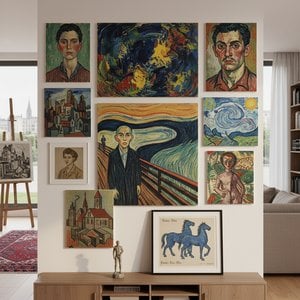
表現主義を彩る至宝:アート史に刻まれた10の傑作
表現主義の心を揺さぶる10選。ムンク、キルヒナーら巨匠の傑作を紐解き、色彩とエモーションの世界へ。ArtsDot.comで、時代を超越したアートをあなたの空間に取り入れませんか?高品質な複製絵画やインテリアアイデアが満載。

Egon Schiele: Expressionism, Anxiety & the Modern Condition – A Comprehensive Exploration
Explore the emotionally charged world of Egon Schiele (1890-1918). Discover his Expressionist masterpieces, psychological themes, and lasting impact on modern art. A comprehensive guide for collectors & enthusiasts.

エゴン・シーレ傑作25選:魂を揺さぶる表現主義の世界 | ArtsDot
エゴン・シーレの傑作25選。表現主義を代表するオーストリアの画家、その魂を揺さぶる人物画や自画像の世界へ。ArtsDotで名画の複製画とインテリアアートをお楽しみください。コレクションを見る▶