


 設置イメージを確認
 送る
送る シェア
シェア
 詳細情報
詳細情報 ガイドを表示

 画像をダウンロード
 似ている作品
 X線調査
X線調査 スライドショー
 統計情報
統計情報The Harbour

 続きを読む
続きを読む
手描き油彩複製画
当社のアーティストが、お客様のご希望のサイズと額縁に合わせて、キャンバスに手描きで制作する油彩画です。 ( プリント版に切り替え デジタル画像販売へ切り替え)




































作品のオリジナル比率に合わせた、当店の規定サイズからお選びください。

フレームや壁のスペースに合わせて、ご希望の幅と高さを入力してください。本作品は手描きのため、異なる比率のサイズをご希望の場合、絵画の周囲を少し広げて描くか、あるいは端を少しカットして調整することが可能です。お客様のご要望に合わせます。制作を開始する前に、仕上がりを確認するためのデジタルモックアップをお送りいたします。このページに表示されている画像は完成品の実物ではなく、あくまでモックアップによるイメージです。
ご注文後、ArtsDot.com チームより詳細な指示をお送りするとともに、仕上がりイメージ(モックアップ)をご提供いたします。


 ガラスオプションは、110cm未満のサイズでのみご利用いただけます。

The Harbour
再現技法
複製画サイズ一覧
-


合計金額
¥ 61353
関連作品


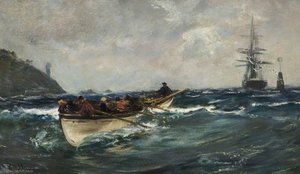


アーティストについて
エドウィン・エリスが描き出した大気のヴィジョン
1841年、工業の街ノッティンガムの心臓部で産声を上げたエドウィン・エリスは、19世紀の田園風景に宿る刹那的な魂を捉え、英国風景画の伝統における深遠な表現者としてその名を現しました。彼の芸術への旅路は、筆からではなく、レース図案師としての精密な眼差しから始まりました。この形成期に培われた細部への執拗なまでのこだわりと構造的な正確さは、後の作品において、自然界をより広大かつ情緒的に探求するための揺るぎない背骨となったのです。製図という技術的な厳格さから、水彩や油彩が持つ流動的な可能性へと移行する中で、エリスは英国水彩画派の緻بな観察眼と、ロマン主義運動の感情に訴えかけるダイナミックな身振りを融合させた、独自のスタイルを確立していきました。
エリスの芸術家としての進化は、ブリテン諸島を巡る旅と深く結びついていました。彼は、海岸線の荒々しい質感や、内陸の水辺に漂う静謐な静寂をキャンバスへと写し取る類まれな才能を備えていたのです。その作品はしばしば、陸と海が劇的に交差する場所に焦点を当てました。特にウィットビー海岸、ノーフォーク・ブローズ、そして風に吹かれるウェールズやコーンウォールの地などがその代表です。彼の描く情景において、鑑賞者は単なる風景を目にするのではありません。荒れ狂う大西洋の飛沫を感じ、あるいは川辺の夏の日午後に漂う、重く湿った静止した空気を感じ取るのです。光と大気を操る彼の卓越した技法は、繊細な色彩の階調を用いることで、刻々と移ろう英国の天候がもたらす情緒を呼び起こしました。
影響とリアリズムの精神
エリスの根底には英国の伝統が深く根付いていましたが、その芸術的ヴィジョンは大陸から伝わったバルビゾン派の影響によって、より豊かなものとなりました。ジャン=フランソワ・ミレーやテオドール・ルソーといった巨匠たちの作品は、過度な理想化というベールを剥ぎ取り、ありのままの自然を描きたいという彼自身の切実な願いと深く共鳴したのです。バルビゾン派の画家たちと同様に、エリスは主題の中に飾りのない誠実さを求めました。彼は神話的な壮大さではなく、日常の中に宿る静かな尊厳を見出しました。網を引き揚げる漁師たちのリズムに乗った労働、畑を守る孤独な農夫の姿、そして黄昏時の空にシルエットとして浮かび上がる素朴な風車の存在に、美を見出したのです。
このリアリズムへの献身は、極めて個人的でありながら、普遍的な共感を呼ぶ作品群を生み出しました。彼の技法は、油彩画においてはSeascape(海景)に見られるような、印象派に近い大胆な筆致を用いることもあり、それが水彩画の繊細で半透明な層と見事な対照を成していました。この二面性こそが、嵐に翻弄される海の圧倒的な力強さと、地元の池の親密で穏やかな細部、その両方を捉えることを可能にしたのです。こうした均衡を通じて、エリスは自然主義の感覚を実現しました。それは、自然界を直接観察することへの関心が高まっていたヴィクトリア朝時代の精神を反映した、実感を伴う真実味のあるものでした。
遺産と芸術的達成
エドウィン・エリスの職業的な軌跡は、当時の権威ある芸術界における重要な評価によって彩られています。1875年の英国美術協会(Royal Society of British Artists)への入会は、彼の技術的な卓越性と、同業者の中での地位を証明するものです。彼はロイヤル・アカデミーやロンドンの様々な著名なギャラリーで頻繁に作品を展示し、英国風景の描写を広く、そして審美眼を持つ観衆へと届けました。水彩という繊細な媒体と、油彩画という力強い要求の両方を自在に操る能力により、彼は多様かつ膨大な作品群を後世に残すことができたのです。
今日、エリスの作品の意義は、失われた英国の田園生活の時代へと鑑賞者を誘う、その永続的な力にあります。彼の絵画は歴史の窓として、19世紀の風景における光、質感、そして静かなリズムを保存しています。彼の芸術史における不朽の貢献は、以下の要素によって定義されます。
- 大気の習熟:光、霧、そして海洋気象の微細なニュアンスを描き出す比類なき技術。
- 物語的なリアリズム:農村や海岸での生活における、飾りのない誠実な美しさを描き出す献身。
- 技術的な多才さ:精密な水彩のディテールと、表現豊かな印象派的油彩画とのシームレスな移行。
- 文化的架け橋:伝統的な英国風景画派と、ヨーロッパ・リアリズムの情緒的な影響を結びつける役割。
現存する約150点の作品を通じて、エドウィン・エリスはヴィクトリア朝の風景画伝統が持つ感情的な深みを理解しようとする人々にとって、今なお不可欠な存在であり続けています。彼の遺したレガシーは、単に風や水を見るだけでなく、それらを肌で感じることを私たちに教えてくれるのです。

エドウィン・エリス
1841 - 1895
アーティスト情報
- Artistic Movement Or Style: 水彩画
- Date Of Birth: 1841年
- Full Name: エドウィン・エリス
- Nationality: イギリス
- Notable Artworks:
- ゴースルトン
- 農夫の風景画
- ウィットビー、近づく嵐
- Place Of Birth: イギリス、ノッティンガム
関連記事
Samuel Walters: Capturing Victorian Maritime Life with Precision & Artistry
Explore the exquisite maritime paintings of Samuel Walters (1811-1882). Discover his mastery of detail, historical scenes & influence on Victorian art. Learn about collecting his works and find high-quality reproductions at ArtsDot.

19th Century Masterpieces: 10 Paintings That Defined an Era | ArtsDot
Journey through 19th century art with ArtsDot! Explore 10 iconic paintings – from Monet & Renoir to Courbet – and discover the stories behind Romanticism, Realism & Impressionism. Find museum-quality reproductions for your home decor. Explore the full collection online!
Bring the Ocean Home: Captivating Maritime Paintings to Transform Your Space with Timeless Elegance
Transform your home with breathtaking maritime oil paintings. From serene seascapes to dramatic nautical scenes, discover hand-painted reproductions that bring the ocean's soul to your space. Expertly crafted for collectors seeking timeless elegance and coastal tranquility.
Evoking the Horizon: A Historical & Artistic Exploration of Coastal Scenes in Painting
Explore the rich history of coastal scenes in painting! Discover Impressionist masterpieces, American realism & contemporary visions. Learn about renowned artists and find your perfect seascape at ArtsDot.

Navigating the Depths of Representation: A Historical Exploration of Marine Painting
Explore the rich history of marine painting with ArtsDot. Discover Dutch Masters, Romantic seascapes & renowned artists like Wyllie and Harris. Expert guidance for collectors & custom reproductions.