

 設置イメージを表示
 シェアする
シェアする シェアする
シェアする
 詳細を見る
詳細を見る ガイドを表示

 ダウンロード
 似ている作品
 X線調査
X線調査 スライドショーを表示
 Q&A
Q&A 統計情報
統計情報The Sun


 詳細を表示
詳細を表示
ジークレー/アートプリント
スピーディーな制作と多彩な仕上げオプションが魅力の、ミュージアムクオリティなジークレー・キャンバスプリント。 ( 手描き複製画を注文する デジタル画像販売へ切り替え)




P118B ¥10

P118H ¥10

P118W ¥10

P438Z ¥10

P508JH ¥12

P508YH ¥12

P805H ¥10

P805Z ¥10

P919BZ ¥10

P919G ¥10

P919XJ ¥10

P959ZH ¥10

P968JZ ¥12

W106C ¥8

W218G ¥10

W218JH ¥8

W218Y ¥10

W307PJ ¥10

W316G ¥10

W316PJ ¥8

W316Y ¥10

W398PJ ¥8

W4111J ¥10

W500HY ¥15

W500JH ¥15

W692G ¥12

W849H ¥8

W940BG ¥15

W953PJ ¥8




作品のオリジナル比率に合わせた、当店の規定サイズからお選びください。

額縁や壁のスペースに合わせて、ご希望の幅と高さを入力してください。プリントはカットすることは可能ですが、元の画像より大きくすることはできないため、異なる比率のサイズを選択された場合は、画像の一部が欠けることになります。印刷を開始する前に、内容を確認していただくためのデジタルモックアップをお送りいたします。このページに表示されている画像は、実際のカット後の状態を示すものではありません。実際の仕上がりはモックアップにてご確認ください。


 ガラスオプションは、110cm未満のサイズでのみご利用いただけます。

The Sun
ジークレー/アートプリント
複製画サイズ一覧
-


合計金額
¥ 9982
A Radiance of Existential Intensity
In the vast landscape of Expressionist masterworks, few pieces command the viewer's attention with such visceral energy as Edvard Munch’s “The Sun.” Completed in 1909, this monumental work transcends a mere depiction of a celestial body to become an unflinching portrait of psychological vulnerability. While many artists of his era sought to capture the fleeting light of the Impressionists, Munch turned his gaze inward, using the brilliance of the sun as a conduit for the turbulent currents of human consciousness. The painting presents a landscape bathed in an unsettling, searing light—a brilliance so intense that it feels almost invasive, leaving the world beneath it feeling acutely exposed and raw.
The composition is a masterclass in movement and dynamic tension. At its heart lies a sun that radiates outward in powerful, sweeping rays, acting as the gravitational center of the entire canvas. These rays do not merely illuminate; they seem to pulse with a life of their own, cutting through the sky and interacting with the jagged rocks and distant mountains that anchor the scene. A solitary bird drifts above this solar explosion, adding a sense of scale and a fleeting moment of organic grace to an otherwise overwhelming display of cosmic power. For the collector or interior designer, this piece offers a profound focal point, capable of injecting a sense of dramatic movement and transformative energy into any sophisticated space.
Technique and the Language of Color
Munch’s technical execution in “The Sun” is fundamental to its emotional resonance. Utilizing tempera on canvas, a medium celebrated for its luminous quality, the artist achieved a palette that vibrates with life. The dominant hue is a searing, unapologetic yellow—a color that represents not warmth or comfort, but an oppressive, blinding glare. This choice of color serves to heighten the sense of unease, mirroring the artist's ability to translate internal restlessness onto a physical surface. Through the use of thick impasto, Munch applied paint in heavy, textured layers, creating a tactile landscape where the brushstrokes themselves ripple and surge like waves of emotion.
This textural depth invites the eye to wander across the canvas, discovering the interplay between light and shadow within the thick ridges of pigment. The way the light catches the raised surfaces of the paint mimics the flickering nature of memory and sensation. For those seeking a high-quality reproduction, capturing these nuances of texture and the luminous glow of the yellow tones is essential to preserving the soul of the original work. It is this marriage of bold color and rugged technique that allows the painting to function not just as art, but as an experience of light and weight.
The Echoes of a Turbulent Soul
To truly appreciate “The Sun,” one must understand the shadows from which it emerged. Edvard Munch’s life was deeply marked by loss, shaped by the early deaths of his mother and sister to tuberculosis, and haunted by a familial struggle with mental illness. His art became a sanctuary for these anxieties, a way to process the fragility of human existence. In “The Sun,” we see a departure from the darker, more claustrophobic themes of his earlier works like The Scream, yet the underlying tension remains. The sun here is not a symbol of simple joy; it is a symbol of an inescapable truth, a light so bright that it leaves no corner for shadows to hide.
This duality makes the painting an extraordinary choice for modern interiors. It possesses the ability to illuminate a room both literally and metaphorically, offering a sense of profound strength and resilience. It speaks to the beauty found within struggle and the power of facing the light, no matter how overwhelming it may be. Owning a reproduction of such a significant piece allows one to surround themselves with the legacy of Expressionism—a movement dedicated to confronting uncomfortable truths through the sublime beauty of subjective experience.
Q&A
エドヴァルド・ムンク作「The Sun」の活用方法や、おすすめの設置スペースについて教えてください。
エドヴァルド・ムンク作「The Sun」はAccentに最適で、Living Roomに飾るのが特におすすめです。用途と空間の組み合わせによって、複製画を飾るのにふさわしい場所をご提案します。
エドヴァルド・ムンク作「The Sun」は、どのような情緒や感情を表現していますか?
エドヴァルド・ムンク作「The Sun」が醸し出す雰囲気はDramaticであり、その感情的なトーンはMelancholicです。
エドヴァルド・ムンク作「The Sun」の解説ページはありますか?
「The Sun」のガイドは、作品の解説資料ページです。このページは印刷可能なファクトシートとなっており、作品のキャプション、クレジット、および詳細情報(作家名、制作年、技法、原寸大、所蔵)をまとめてご確認いただけます。
関連作品


作家プロフィール
エドヴァルド・ムンクの生涯とアイデンティティ
エドヴァルド・ムンクは、故郷ノルウェーの風景と、そこに漂う重苦しい空気感にその生涯を深く結びつけられたノルウェーの画家です。1863年12月12日に生を受けた彼は、その生涯の多くを、筆と版画の道具を通じて人間の精神が抱える複雑な深淵を辿ることに捧げました。彼の作品は、しばしば彼自身の内なる葛藤がそのまま形を成したかのように感じられ、個人的な感情を、目に見える形として他者と共有できるものへと昇華させました。彼は1944年1月23日にこの世を去るまで、芸術界において常に力強い存在であり続けました。
人間の存在が震わせる根源的な不安を捉える彼の能力は、1893年の『叫び』の誕生によって、一つの頂点に達しました。この作品は、実存的な恐怖を描写したものとして世界的に認められ、西洋美術において最も称賛されるイメージの一つとなっています。多くの芸術家が目に見える物理的な世界を再現しようと試みた一方で、ムンクが関心を寄せたのは、不安や孤独の重みといった、目には見えない領域でした。彼は色彩と形態を駆使し、人間の精神を揺さぶる不可視の力に、確かな形を与えたのです。
その長いキャリアを通じて、彼は多種多様な媒体を用いて膨大な数の作品を世に送り出しました。その代表的な作品には、以下のようなものがあります。
幼少期、家族、そして芸術への研鑽
エドヴァルド・ムンクは、1863年、ノルウェーの峻厳な自然に囲まれて生を受けた。彼の幼少期を形作ったのは、常に病の影が寄り添う家庭環境であった。1868年、母親が結核でこの世を去ったことは、幼い彼の心に深い傷跡を残した。その喪失感は、1877年に姉のヨハンネ・ソフィーもまた15歳という若さで結核に倒れたことで、より一層深いものとなった。こうした早すぎる死の経験は、死という避けられない運命が、彼の日常の織りなす風景の中に深く刻み込まれたことを意味していた。
父 クリスチャン・ムンク は、医師として、また医療官として職務に当たっていた。クリスチャン は並外れた信仰心を持つ人物であったが、同時に神経質で強迫的なまでの宗教観に苦しむ気質も持ち合わせていた。そのため、家庭内の空気はしばしば、言いようのない不安感に包まれていたのである。そのような環境で育ったエドヴァルドは、病によって学校へ通えなくなった長い冬の間、手持ち無沙汰を紛らわせるために絵を描くことに没頭した。この時期に味わった悲しみと恐怖の記憶は、やがて彼のキャンバスへと昇華されていくことになる。
正式な芸術教育を受けるため、彼はクリスティアニア(現在のオスロ)の王立美術設計学校へと進んだ。ここで彼は、後に人間心理の深淵を探求していくための技術的な基礎を築き始めた。この時期の研鑽こそが、内面の苦悩を視覚的な形へと翻訳し続ける、彼の芸術家としての生涯の礎となったのである。
クリスティアーニアのボヘミアン・サークル
現在のオスロとして知られるクリスティアーニアの街角で、エドヴァルド・ムンクはそれまで教え込まれてきたあらゆる常識を覆すようなコミュニティとの出会いを見出しました。彼は、当時の厳格な社会規範の外側で生きる人々が集う、ボヘミアンな社交界へと身を投じていきます。その進歩的なサークルの一員には、自然主義的な画家であるクリスチャン・クログの姿もありました。こうした集まりは単なる社交の場にとどまらず、世界を捉えるための新たな視座が熱烈に議論され、実践される、思想の実験場でもあったのです。
エドヴァルド・ムンク自身の芸術的歩みが決定的な転換期を迎えたのは、ニヒリストであるハンス・ヤーガーの影響を受けた時でした。ヤーガーは彼に対し、当時の礼儀正しいアカデミックな伝統から脱却するよう強く促しました。彼は、芸術家が外の世界ではなく、自らの内面へと目を向け、自身の感情や心理状態をそのまま描くべきだと説いたのです。それは、当時の価値観からすれば極めて急進的な思想でした。他者の目に映る世界をありのままに写し取るのではなく、エドヴァルド・ムンクはキャンバスを、自らの精神の中に吹き荒れる嵐を表現するための媒体へと変えていったのです。
パリとベルリンでの旅、そして受けた影響
ヨーロッパの芸術の中心地を渡り歩いたことで、エドヴァルド・ムンクは、他者の作品の中に自分自身の衝動が反映されているのを見出しました。パリにおいて、彼はポール・ゴーギャンやフィンセント・ファン・ゴッホといった芸術家たちの技法に触れました。彼らは単なる写実的な描写を超え、色彩と形態をいかに駆使して表現へと昇華させるかという点において、ムンクに多大な示唆を与えたのです。また、パリでの滞在は、アンリ・ド・トゥールーズ=ロートレックとの出会いをもたらしました。こうした芸術家たちとの邂逅は、外的な現実よりも内面的な真実を優先させるという、彼の独自の視座を研ぎ澄ませていくことになったのです。
その後、ベルリンでの経験は、彼の関心を人間の精神のより深く、より不穏な層へと向かわせました。そこで彼は、スウェーデンの劇作家アウグスト・ストリンドベリと出会います。ストリンドベリのような人物との繋がりは、心理的なテーマに対する彼の探求をさらに加速させました。エドヴァルド・ムンクは、自然主義的な描写から脱却し、恐怖や不安という重苦しい感情を伝えるためのスタイルを確立していきます。それは、人間の存在が抱える震えを、芸術を通じて描き出そうとする試みでもあったのです。
魂の絵画:その技法と様式
エドヴァルド・ムンクは、目に見えるままの物理的な世界を再現することを目指したわけではありませんでした。むしろ、彼は自らの内面的な状態を外部へと引き出すことを追求し、その手法を「魂の絵画」と呼びました。歪んだ形態やリズムを刻むような線を用いることで、彼は人間の存在が抱える震えを伝えようとし、心理的な苦痛を視覚的で実体のある形へと変容させたのです。彼の筆致は、しばしば彼自身の心の動揺を映し出す鏡となり、色彩と形を通じて、見えているものとしてではなく、感じているものとして世界を翻訳していきました。
こうした内面への深い集中は、彼に多様な媒体を用いた広範な実験へと向かわせました。彼は極めて精力的な版画家でもあり、リトグラフ、木版画、エッチングといった技法を駆使して、自身の表現領域を押し広げていきました。その技術的な幅は非常に広く、アクアチントやドライポイント、銅版画といった凹版画のプロセスも網羅していました。これらの技法によって、彼は人間の感情の複雑さを反映するような、重層的な質感と線の重なりを生み出すことに成功したのです。
叫び (1893)
マドンナ (1894)
病気の子供 (1926年頃)
「生命の生け垣」と主要作品
エドヴァルド・ムンクは、「生命の生け垣(The Frieze of Life)」と名付けた一連の作品群を通じて、繰り返される人間の存在のサイクルを捉えようと試みました。このコレクションが焦点を当てたのは、愛、恐怖、死、そして不安といった、逃れることのできない重厚なテーマです。彼は単に人生の情景を描写することを目指したのではなく、むしろ人生を定義づける内面の嵐を探求しようとしたのです。彼の絵画は、幼少期から彼に付きまとってきた悲しみや、精神的な震えを昇華させるための手段として、しばしば機能していました。
彼の最も広く知られるイメージの多くは、こうした個人的な葛藤から生まれています。例えば、クリスティアーニアに滞在していた際に構想された叫びでは、渦巻く炎のような風景を用いることで、実存的な不安を表現しました。また、他の作品において彼は、人間関係の複雑さや生命の儚さに視線を向けています。マドンナは性愛と死の交差を探求し、一方で病気の子供は、姉ソフィーの死という喪失を痛切に思い起こさせるものとして存在し続けています。これらの作品は、自らに付きまとう影に意味を見出そうとした、一人の人間の魂の軌跡を反映しているのです。
- 叫び (1893年)
- マドンナ (1894年)
- 病気の子供 (1926年頃)
- 思春期 (1894–95年)
晩年と最期
エドヴァルド・ムンクの晩年は、自身の生活習慣と創作環境における劇的な変化によって特徴づけられます。1908年に精神的な崩壊を経験した後、彼は長年の悩みであった過度な飲酒を断つ決断を下しました。この変革の時期は、彼を若かりし頃の激動の社交界から遠ざけることとなりました。その代わりに、彼は残された歳月を静寂とプライバシーの中で過ごし、創作活動を続けるための穏やかな場所を見出したのです。
彼の創作活動は、生涯を通じて途絶えることがありませんでした。1944年にこの世を去るまでに、彼は1006点もの絵画を遺しました。彼を取り巻く世界が第二次世界大戦という巨大な激動に直面していたにもかかわらず、その作品の大部分は戦火を逃れ、彼の紡ぎ出した視覚言語が、後世の人々によって研究され、体験されるための確かな足跡として残されることとなりました。
永続的な遺産と影響
人間の条件における暗部を直視するエドヴァルド・ムンクの姿勢は、ドイツ表現主義が花開くための道を切り拓くこととなりました。彼は、学術的な芸術が定めた礼儀正しい規則から脱却し、精神の内に吹き荒れる嵐を表現する術を見出した表現主義の先駆者でした。心理的な苦痛を視覚的な形へと翻訳することで、彼はアーティストがキャンバスに向き合う際のアプローチそのものを変容させたのです。彼の作品はモダニズム運動の礎石となり、芸術の焦点を「眼に見えるもの」から「魂が耐え忍ぶもの」へと劇的に転換させました。
ノルウェー美術の歴史において、彼の存在はあまりにも深く刻まれています。普遍的な人間体験の探求を通じて、彼は国家的なアイデンティティの形成にも寄与しました。存在の震えを伝えるために彼が用いた色彩と歪んだ線の表現は、多くの芸術家たちが辿るべき道標となりました。その影響力はノルウェーの国境を遥かに越え、現代社会が不安や孤独をどのように捉えるかという認識のあり方にまで、今なお深い影響を与え続けています。
- 叫び (1893年)
- マドンナ (1894年)
- 病気の子供 (1926年頃)
今日、その作品を辿る旅へ
エドヴァルド・ムンクがその生涯をかけて描き出した、広大で深遠な芸術世界を体験するためには、ノルウェーのオスロへと足を運ばなければなりません。ムンク美術館は、彼の遺産の主要な守護者であり、その芸術的活動の全領域を網羅する膨大なコレクションを収蔵しています。そこは、彼の圧倒的な制作のスケールを肌で感じることができ、長年にわたる絵画や版画の制作を通じて彼が探求し続けたテーマの深淵を覗き込める場所なのです。
また、オスロの他の主要な美術館にも、極めて重要な作品が大切に保管されています。オスロ国立美術館には、1893年にテンペラとクレヨンで描かれた叫びのバージョンが所蔵されており、他のバージョンとは異なる独特の質感と情緒を湛えています。さらに、ノルウェー国立美術館にはマドンナの作品も収蔵されており、同じ主題に対して彼がいかに異なる視点からアプローチしたのかを、目の当たりにすることができるでしょう。
- 叫び (1893年) - オスロ国立美術館
- マドンナ - ノルウェー国立美術館

エドヴァルド・ムンク
1863 - 1944 , スウェーデン
プロフィール概要
- Artistic Movement Or Style:
- 表現主義
- 象徴主義
- Artists Or Movements Influenced By This Artist: ['ドイツ表現主義']
- Artists Who Influenced This Artist:
- ポール・ゴーギャン
- フィンセント・ファン・ゴッホ
- Date Of Birth: 1863年
- Date Of Death: 1944年
- Full Name: エドヴァルド・ムンク
- Nationality: ノルウェー
- Notable Artworks:
- 叫び
- マドンナ
- 病気の子供
- 思春期
- Place Of Birth: スウェーデン、アデルスブルック
関連記事
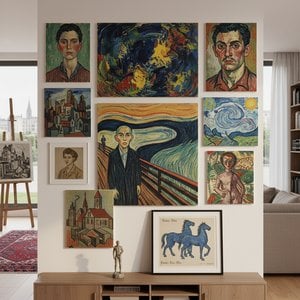
表現主義を彩る至宝:アート史に刻まれた10の傑作
表現主義の心を揺さぶる10選。ムンク、キルヒナーら巨匠の傑作を紐解き、色彩とエモーションの世界へ。ArtsDot.comで、時代を超越したアートをあなたの空間に取り入れませんか?高品質な複製絵画やインテリアアイデアが満載。

Edvard Munch: Anxiety, Modernity & the Dawn of Expressionism
Explore the profound world of Edvard Munch, pioneer of Expressionism. Discover the origins of 'The Scream' & his haunting depictions of anxiety, mortality, and love. Expert analysis & high-quality reproductions at ArtsDot.

25 Must-See Masterpieces at Kunsthaus Zürich: A Curated Guide
Explore 25 iconic works from Kunsthaus Zürich, from Monet to Giacometti. Discover museum-quality art at ArtsDot.com.

ムンク傑作25選:魂を揺さぶる表現主義の世界|ArtsDot
エドヴァルド・ムンクの傑作25選。表現主義を代表する画家、ムンクの「叫び」をはじめ、魂を揺さぶる名画の世界へ。油絵の歴史と色彩、そして作品に込められたストーリーをArtsDotで。高品質なアートプリントやインテリア装飾をご提供中。全コレクションはこちら▶

25 Must-See Masterpieces at Statens Museum For Kunst, Copenhagen
Explore 25 iconic masterpieces from Statens Museum For Kunst. From Nordic art to the Renaissance, discover them all on ArtsDot.com.


