


 プレビュー
プレビュー
 シェアする
シェアする シェアする
シェアする
 詳細を見る
詳細を見る ガイド
ガイド

 ダウンロード
 似ている作品
 X線調査
X線調査 スライドショー
 統計情報
統計情報Chief David Shoppenegons


 詳細を見る
詳細を見る
手描き油彩複製画
当社のアーティストが、お客様のご希望のサイズと額縁に合わせて、キャンバスに手描きで制作する油彩画です。 ( プリント版に切り替え デジタル画像販売へ切り替え)




P118B $10

P118H $10

P118W $10

P438Z $10

P508JH $12

P508YH $12

P805H $10

P805Z $10

P919BZ $10

P919G $10

P919XJ $10

P959ZH $10

P968JZ $12

W106C $8

W218G $10

W218JH $8

W218Y $10

W307PJ $10

W316G $10

W316PJ $8

W316Y $10

W398PJ $8

W4111J $10

W500HY $15

W500JH $15

W692G $12

W849H $8

W940BG $15

W953PJ $8




作品のオリジナル比率に合わせた、当店の規定サイズからお選びください。

特定のフレームやスペースに合わせて、ご希望のサイズをご入力いただけます。選択されたサイズが元の画像の比率と異なる場合、アートワークをトリミングするか、手描きで要素を追加して絵画を拡張いたします。デジタルモックアップ を制作し、制作開始前にご確認(承認)をいただきます。
画面上のプレビューは、実際のトリミングや拡張を正確に反映しているものではありません。最終的な構図は、モックアップによってのみ正確にご確認いただけます。
カスタムサイズもご利用いただけますが、元の比率を維持するためには、あらかじめ用意されたリストからサイズを選択することをお勧めいたします。
ご注文後、ArtsDot.com チームより詳細な指示をお送りするとともに、仕上がりイメージ(モックアップ)をご提供いたします。


 ガラスオプションは、110cm未満のサイズでのみご利用いただけます。

Chief David Shoppenegons
複製技法
複製画のサイズ
-


合計金額
$ 263
The Soul of the Southwest: Eanger Irving Couse’s “Chief David Shoppenegons”
Eanger Irving Couse's "Chief David Shoppenegons," painted in 1911, is more than just a portrait; it’s a profound meditation on cultural encounter and the enduring spirit of the American West. This arresting canvas, currently residing within the Detroit Institute of Arts, captures not merely a likeness but an essence—the quiet dignity and inherent wisdom of Chief David Shoppenegons, a prominent figure in the Chippewa tribe of Michigan. Couse’s decision to focus on this Native American subject was revolutionary for his time, reflecting a genuine desire to move beyond stereotypical depictions and instead offer a respectful portrayal rooted in observation and empathy.
Couse's artistic journey is inextricably linked to his fascination with the Chippewa people of Michigan. Born in Saginaw, he spent much of his childhood observing their traditions and customs, fostering a deep respect that profoundly shaped his artistic vision. This early exposure informed his approach to painting Native Americans – he didn’t simply sketch them; he sought to understand their lives, their beliefs, and their connection to the land. His time in Taos, New Mexico, further solidified this commitment, allowing him to immerse himself within a thriving artist community dedicated to capturing the beauty and complexity of Southwestern life.
A Masterclass in Impressionistic Detail
Technically, “Chief David Shoppenegons” exemplifies Couse’s signature style – a harmonious blend of academic training with the vibrant colors and loose brushwork characteristic of Impressionism. The painting is rendered in oil on canvas, utilizing a palette dominated by earthy tones—rich browns, ochres, and deep greens—that evoke the rugged landscape of the American Southwest. Couse masterfully employs broken color techniques, layering thin washes of paint to create a luminous effect, particularly noticeable in the folds of Shoppenegons’ coat and the dappled light filtering through the trees behind him. The brushstrokes are visible yet controlled, contributing to a sense of immediacy and movement.
The composition itself is carefully considered. Shoppenegons stands with a commanding presence, his posture conveying both strength and serenity. His gaze, directed slightly off-canvas, suggests contemplation and an awareness of the world around him. The dark background serves to isolate the figure, drawing attention to his face and emphasizing his connection to the land. Couse’s meticulous attention to detail—the texture of the fabric, the lines etched on Shoppenegons' face—adds a layer of realism that elevates the portrait beyond mere representation.
Symbolism and Cultural Resonance
Beyond its technical brilliance, “Chief David Shoppenegons” is rich in symbolic meaning. The staff or cane he holds represents his authority as a leader and his connection to the traditions of his people. The simple brown coat speaks to practicality and resilience – qualities deeply valued within Native American culture. More subtly, the setting—a sparsely wooded area—suggests a deep respect for nature, reflecting the interconnectedness between humans and the environment that is central to many indigenous belief systems.
It’s important to note that Couse's work was not without its complexities. While his intention was undoubtedly respectful, some critics have questioned whether fully capturing the nuances of Native American culture through a Western lens was truly possible. However, “Chief David Shoppenegons” remains a significant achievement—a testament to Couse’s artistic skill and his pioneering efforts to bridge cultural divides through art.
Bringing "Chief David Shoppenegons" into Your Space
Reproductions of “Chief David Shoppenegons” offer a beautiful way to bring the spirit of the Southwest into your home or office. Whether you choose a hand-painted reproduction or a high-quality print, this iconic image will serve as a constant reminder of the beauty and resilience of Native American culture. Its evocative colors and powerful composition make it an ideal addition to any room—a conversation starter and a source of inspiration. Consider framing it in a natural wood frame to further enhance its connection to the landscape.
For those seeking more information about Eanger Irving Couse and his work, we encourage you to explore the resources listed below:
関連作品


アーティストの略歴
二つの世界の架け橋:エンジャー・アーヴィング・カウスの生涯と芸術
1866年、ミシガン州サギナスの発展しゆく工業地帯に生まれたエンジャー・アーヴィング・カウスは、アメリカ美術史において極めて重要な役割を担う運命にありました。彼の物語は、単なる芸術的な成長の記録ではありません。それは、ヨーロッパのアカデミックな絵画伝統と、ネイティブアメリカンの生活や南西部の魅惑的な風景に対する深く敬意に満ちた描写を融合させた、文化的な結びつきを描く感動的な叙事詩なのです。幼少期からカウスは、故郷の近くに暮らすチッペワ族に対して本能的な好奇心を抱いていました。その惹きつけられるような関心は、やがてもっとも繊細かつ尊厳を持って彼らの存在を描き出すという、生涯にわたる献身へと開花していきました。それは単なる観察眼ではなく、彼の芸術的旅路を根本から形作ることになる深い共感の種でした。彼は16歳で伝統的な教育の道を離れ、芸術への揺るぎない情熱に突き動かされるまま、シカゴ・アート・インスティテュート、そしてニューヨークのナショナル・アカデミー・オブ・デザインで学び、その後パリでの10年に及ぶ滞在へと踏み出しました。パリのサロンからタオスの誘惑へ
パリでの経験は、彼にとって変革をもたらすものでした。エコール・デ・ボザールやアカデミー・ジュリアンにおいてウィリアム・アドルフ・ブーグローに師事したことで、カウスは精密な素描、繊細なモデリング、そして洗練された構図感覚といった古典的な技法を習得しました。ノルマンディー海岸の光と空気感を捉える技術を磨き上げた彼でしたが、こうしたヨーロッパの影響の中に身を置きながらも、アメリカ西部の呼び声に強く惹かれ続けていました。オレゴン州にある義父の牧場を訪れたことがネイティブアメリカンの主題への関心に火をつけ、1892年のパリ・サロンに出品された『捕虜(The Capt動)』という重要な初期作品へと結実します。ウィットマン虐殺事件の一場面を描いたこの作品は、妻のバージニアと地元のクリックタット族の人物をモデルとしており、彼の技術的な卓越性と、芽生えつつあった主題への探求心を見事に示していました。アメリカへ帰国後、カウスはニューヨークでのスタジオ活動と、次第に頻度を増していく西部への旅を両立させていきましたが、最終的に1902年、彼はニューメキシコ州タオスへと辿り着きます。これが彼の転換点となりました。彼はその土地特有の光、風景、そして文化に心を奪われ、後に永住の地となる夏の別荘を構えたのです。彼は単なる訪問者ではありませんでした。東海岸の喧騒から遠く離れた生活様式を理解し、表現しようと、自らをその文化へと深く没入させていったのです。タオスの魂:決定的な芸術的ヴィジョン カウスにとって、タオスは単なる場所ではなく、一つの文化への没入そのものでした。彼はタオス族の人々の生活を、決してエキゾチックな対象としてではなく、固有の尊厳と気品を備えた個人として描き出すことに心血を注ぎました。劇的な物語やロマン主義的な描写に重きを置いた同時代の画家たちとは異なり、カウスは日々の生活の中にある静かな瞬間――瞑想、手仕事、そして家族の絆といった情景――を捉えようと努めました。彼のスタイルは、アカデミックな精密さと、光と色彩の情緒的な使い方が見事に融合した独自の境地へと進化し、技術的に完成されているだけでなく、感情に深く響く作品を生み出しました。彼は温かみのある土の色を好み、しばット火の柔らかな光や夕日の黄金色に包まれた被写体を描きました。また、ベン・ルジャンとジェリー・ミラベルという二人の主要なモデルを頻繁に起用することで、作品の中に連続性と親密さを表現することに成功しました。この献身的な姿勢は、1915年のタオス美術協会の創設メンバーおよび初代会長就任へと繋がり、タオスが重要な芸術拠点としての地位を確立する原動力となりました。彼の絵画は単なる再現ではなく、敬意と理解に満ちた「解釈」であり、ネイティブアメリカンの生活を真実味を持って伝えようとした彼の決意の証なのです。
評価、遺産、そして永続する影響力
カウスの才能は、決して見過ごされることはありませんでした。ナショナル・アカデミー・オブ・デザインからのアルトマン賞、サルマグンディ・クラブからのイシドール賞、ペンシルベニア・アカデミー・オブ・ファイン・アーツからのリッピンコット賞など、そのキャリアを通じて数多くの賞を受賞しました。特筆すべきは、1914年から1936年にかけてサンタフェ鉄道から広告キャンペーン用の絵画制作を依頼されたことです。これは、彼が南西部の魅力をより広い大衆へと伝える力を持っていたことの証左といえます。彼の最高傑作とされる『タオス族のエルクの足(Elk-foot of the Taos Tribe)』は、後にアメリカ国立美術コレクションに収蔵され、アメリカ美術の正典における彼の地位を不動のものにしました。こうした栄誉を超えて、カウスが残した真の遺産は、ネイティブアメリカンの生活に対する認識を形作り、タオス美術協会独自の芸術的アイデンティティを確立した点にあります。彼は、当時主流であったステレオタイプな表現とは一線を画し、共生とプエブロ文化の本質的な美しさを強調する視座を提示しました。彼の作品は、芸術における文化的感受性と敬意ある表現がいかに重要であるかを、今なお力強く物語っています。 現在、アメリカ国家歴史登録財に指定されている彼の旧居兼スタジオ(エンジャー・アーテル・カウス・ハウス&スタジオ)が保存されていることは、次世代の人々が彼の芸術的ヴィジョンに触れ、アメリカ美術史における彼の深い影響を再認識することを可能にしています。作品の主な特徴
- アカデミックな精密さ: ヨーロッパでのアカデミックな訓練に基づいた基礎は、人物や風景の細部まで緻密で写実的な描写に顕著に表れています。
- 情緒的な光の活用: 光と影を巧みに操ることで、温かみのある黄金色のトーンに包まれた情景など、独特の雰囲気と感情的な深みを生み出しました。
- 敬意ある表現: ネイティブアメリカンの描写は、ステレオタイプやロマン主義的な誇張を避け、尊厳と繊細さに満ちたものでした。
- 日常生活への焦点: 劇的な物語よりも、日々の静かな営みに焦点を当て、プエブロ文化の伝統や日常の一端を垣間見せてくれました。
- 限定されたパレット: 南西部の風景を反映した温かみのあるアースカラーを好み、調和と安らぎを感じさせる色彩設計を行いました。

エンジャー・アーヴィング・カース
1866 - 1936
基本情報
- Artistic Movement Or Style: 印象派
- Artists Or Movements Influenced By This Artist: ['タオス美術協会']
- Artists Who Influenced This Artist:
- ブーグロー
- シャープ
- Date Of Birth: 1866年9月3日
- Date Of Death: 1936年
- Full Name: エンジャー・アーヴィング・カウス
- Nationality: アメリカ人
- Notable Artworks:
- 白い木々
- 酋長
- タオス族のエルクの足跡
- Place Of Birth: サギノー、米国
関連記事

Grant Wood & American Regionalism: Identity, Myth & the Rural Landscape
Explore the world of Grant Wood & American Regionalism with ArtsDot. Discover the symbolism behind 'American Gothic', recurring themes, and the movement's lasting impact on art history. High-quality reproductions available.

Eanger Irving Couse: Bridging Tradition & Modernity in American Southwest Art
Explore the life & art of Eanger Irving Couse, a pivotal figure in Southwestern Impressionism and founder of the Taos Society of Artists. Discover his captivating paintings & legacy.

James Otto Lewis: Navigating American Modernism Through Regional Identity & Stylistic Innovation
Explore the captivating portraits of James Otto Lewis, a pivotal figure bridging 19th-century realism & American Modernism. Discover his groundbreaking work documenting Native American culture and regional identity.
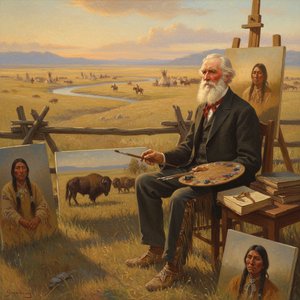
Joseph Henry Sharp: Capturing the Spirit of the Plains – Life, Art & Legacy
Explore the life & art of Joseph Henry Sharp, a founding member of the Taos Society of Artists renowned for his realistic depictions of Native American culture and Western landscapes. Discover his legacy with ArtsDot.

American Realism's Defining Works: 10 Masterpieces for Your Home
Explore 10 defining American Realism masterpieces – Hopper, Homer & more. Discover the stories behind these iconic paintings and bring timeless art to your home with ArtsDot's museum-quality reproductions. Explore the full collection online.