

 シェアする
シェアする シェアする
シェアする
 詳細を見る
詳細を見る ガイドを表示

 ダウンロード
 似ている作品
 スライドショーを表示
 Q&A
Q&A 統計情報
統計情報Prophet with Scroll


 詳細を表示
詳細を表示
ジークレー/アートプリント
スピーディーな制作と多彩な仕上げオプションが魅力の、ミュージアムクオリティなジークレー・キャンバスプリント。 ( 手描き複製画を注文する デジタル画像販売へ切り替え)




































作品のオリジナル比率に合わせた、当店の規定サイズからお選びください。

額縁や壁のスペースに合わせて、ご希望の幅と高さを入力してください。プリントはカットすることは可能ですが、元の画像より大きくすることはできないため、異なる比率のサイズを選択された場合は、画像の一部が欠けることになります。印刷を開始する前に、内容を確認していただくためのデジタルモックアップをお送りいたします。このページに表示されている画像は、実際のカット後の状態を示すものではありません。実際の仕上がりはモックアップにてご確認ください。


 ガラスオプションは、110cm未満のサイズでのみご利用いただけます。

Prophet with Scroll
ジークレー/アートプリント
複製画サイズ一覧
-


合計金額
¥ 9963
The Prophet with Scroll: A Window into Renaissance Humanity
Donatello’s “Prophet with Scroll,” crafted between 1415 and 1418, stands as a pivotal work in the burgeoning Early Renaissance of Florence. More than simply a depiction of biblical prophecy, this monumental marble sculpture offers a profound meditation on human experience – a poignant blend of solemnity, introspection, and an enduring sense of spiritual yearning. Located within the third level of Giotto’s Campanile, it was originally intended to adorn the east side of the bell tower, commanding attention with its scale and emotive power.
The sculpture portrays an anonymous prophet, rendered in a remarkably realistic style that departs significantly from the stylized conventions of the International Gothic. Donatello masterfully employed classical influences – particularly evident in the figure’s anatomical precision and balanced composition – while simultaneously imbuing it with a distinctly human quality. The prophet stands erect, his gaze fixed forward with an intensity that suggests both profound contemplation and a weighty responsibility. His smock and cloak are simple yet dignified, reflecting a rejection of ostentatious display and a focus on inner virtue.
A Study in Human Emotion
What immediately draws the viewer’s eye is the prophet's face – a masterpiece of expressive realism. Donatello eschews idealized beauty, instead presenting a figure marked by age, weariness, and perhaps even sorrow. The furrowed brow, the downturned mouth, and the deeply set eyes convey a sense of melancholy and burdened wisdom. This isn’t a triumphant messenger; rather, it's an individual grappling with the complexities of faith, duty, and the weight of prophecy. The subtle details – the slight wrinkles around the eyes, the hint of sadness in his posture – speak volumes about the human condition.
Crucially, Donatello doesn’t simply depict a prophet delivering a message; he captures the *process* of receiving it. The figure extends both hands towards a scroll, suggesting an active engagement with divine revelation. This gesture invites us to consider the role of the individual in interpreting and responding to spiritual guidance – a theme that resonated deeply within the humanist philosophy gaining traction during this period.
Technique and Materials: A Testament to Skill
Sculpted from pristine white marble, “Prophet with Scroll” showcases Donatello’s exceptional technical skill. The smooth, polished surface reflects light beautifully, enhancing the figure's luminosity and creating a sense of ethereal presence. The drapery is rendered with remarkable detail, conveying both weight and fluidity. Donatello’s mastery of anatomy is particularly evident in the prophet’s musculature and skeletal structure – a testament to his rigorous study of classical sculpture.
It's important to note that this wasn’t a solitary endeavor; Donatello likely employed assistants in the creation of this monumental work. However, the overall vision and artistic direction undoubtedly rested with him, resulting in a piece that embodies both individual genius and collaborative effort. The statue’s placement within Giotto’s Campanile further elevates its significance, transforming it into a focal point for the entire city.
Symbolism and Legacy
Beyond its immediate visual appeal, “Prophet with Scroll” is rich in symbolic meaning. The scroll itself represents divine revelation – the transmission of God's word to humanity. The prophet’s solitary stance reflects the often-isolated role of a messenger, burdened with delivering difficult truths. Yet, his gaze and gesture suggest an unwavering commitment to his task, embodying the ideals of courage, integrity, and spiritual devotion.
Donatello’s “Prophet with Scroll” remains one of the most celebrated works of the Early Renaissance. It exemplifies the period's shift towards humanism – a renewed interest in classical antiquity and a celebration of individual potential. Its enduring power lies not only in its technical brilliance but also in its profound exploration of the complexities of faith, humanity, and the search for meaning within a rapidly changing world. Reproductions capture this essence beautifully, offering a timeless reminder of the beauty and depth of Renaissance art.
Q&A
ドナテッロ作「Prophet with Scroll」の活用方法や、おすすめの設置スペースについて教えてください。
「Prophet with Scroll」はReflectiveに最適で、Living Roomへの飾るのがおすすめです。
Living Roomに「Prophet with Scroll」を飾る場合、どのサイズがおすすめですか?
Living Roomに飾る場合、ドナテッロ作「Prophet with Scroll」の推奨プリントサイズはLargeです。
ドナテッロ作「Prophet with Scroll」の輝度はどのくらいですか?
「Prophet with Scroll」の色調は、Gentle Luminanceの輝度を示しています。
関連作品


作家プロフィール
生い立ちと初期のキャリア
ドナート・ディ・ニコロ・ディ・ベット・バルディ、すなわちドナテッロとして知られる稀代の彫刻家は、1386年頃にイタリアのフィレンツェで産声を上げました。彼は古典彫刻の研鑽を積み、その学びは後の初期ルネサンス様式の確立に決定的な影響を与えることとなります。彼が切り拓いた芸術と文化への新たなアプローチは、やがてフィレンツェ・ルネサンスの象徴として、歴史に深く刻まれることとなりました。主要な作品と革新性
ドナテッロの最も名高い傑作『ダヴィデ』は、古代以来初となる、自立した裸体の男性彫刻でした。メディチ家からの依頼によって制作されたこの作品は、彼の革新的なスタイルと卓越した技術力を世に知らしめるものとなりました。他にも、彼の名を語る上で欠かせない重要な作品が数多く存在します:- サン・ルイ・ド・トゥールーズ(現在はサンタ・クローチェ聖堂美術館に収蔵):ドナテッロ自身がデザインした古典的な枠組みが特徴です。
- フィレンツェのサンタ・マリア・デル・フィオーレ大聖堂の鐘楼のために制作されたイサクの犠牲:力強い肖像細部が際立つ作品です。
- サンタ・クローチェのための磔刑像(1425年):キリストの苦悶の瞬間を鮮烈に描き出しています。
芸術的様式と遺産
ドナテッロの作風は、表現力の深化と古典的な記念碑性の追求という大きな段階を経て進化していきました。彼の革新的な試みは、当初からコミュニティに受け入れられたわけではありませんでしたが、やがて圧倒的な人気を博し、イタリア各地の宮廷やヨーロッパ全土の芸術家たちに多大な影響を与えることとなったのです。主要な芸術運動:私生活と制作スタイル
ドナテッロは親しみやすく、人々に愛される人物として知られていましたが、一方で芸術家としてのビジネス面においては、その才覚に欠ける一面もありました。彼は自身の手に負えないほどの依頼を引き受けてしまう傾向があり、そのため完成が遅れたり、他の彫刻家に制作を委ねたりすることも珍しくありませんでした。注目すべき作品と芸術家:美術館とコレクション
- コレッジャータ美術館(イタリア、エンポリ):ルネサンスの隠れた宝石とも言える場所であり、フランチェスコ・ボッティチーニやラファエロ・ボッティチーニの作品を収蔵しています。
- 初期イタリア・ルネサンス美術運動

ドナテッロ
1386 - 1466 , イタリア
プロフィール概要
- Artistic Movement Or Style: 初期ルネサンス
- Artists Or Movements Influenced By This Artist:
- イタリア・ルネサンス
- 初期ルネサンス
- フィレンツェ・ルネサンス
- Artists Who Influenced This Artist: ['古典彫刻']
- Date Of Birth: 1386年頃
- Date Of Death: 1466年
- Full Name: ドナテッロ・ディ・ニコロ
- Nationality: イタリア
- Notable Artworks:
- ダヴィデ像
- トゥールーズの聖ルイ
- イサクの犠牲
- 磔刑像
- Place Of Birth: イタリア、フィレンツェ
関連記事

Bronze Sculptures That Defined Art History | ArtsDot
Journey through art history with our Top 10 bronze sculptures! Explore masterpieces by Rodin, Michelangelo & more. Discover stories behind iconic statues and find museum-quality reproductions for your home decor at ArtsDot.com.

The Enduring Form: Exploring Themes & Techniques in Sculpture Across Historical Periods
Explore the rich history of sculpture from ancient masterpieces to contemporary innovations. Discover key techniques, influential artists & investment potential for discerning art collectors.

The Enduring Form: Sculpture Across History, Technique & Emotional Resonance
Explore the rich history of sculpture with ArtsDot. Discover key techniques, influential artists & investment potential for discerning collectors. Expert insights into valuing and collecting timeless masterpieces.
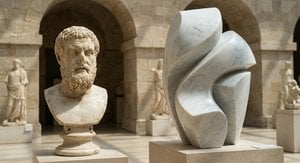
The Enduring Allure of Marble in Art History: From Classical Sculpture to Modern Abstraction
Explore the captivating history of marble sculpture from ancient Greece to modern art. Discover renowned artists like Canova & Michelangelo, carving techniques, and investment insights at ArtsDot.

Bronze Age to Modern Masters: 10 Sculptures That Redefined Art | ArtsDot
Journey through art history with 10 legendary bronze sculptures – from Michelangelo's David to Rodin’s Thinker. Explore the stories, techniques & timeless beauty of these masterpieces. Find museum-quality reproductions & elevate your home decor on ArtsDot.com.