


 設置イメージを確認
 送る
送る シェア
シェア
 詳細情報
詳細情報 ガイドを表示

 画像をダウンロード
 似ている作品
 X線調査
X線調査 スライドショー
 統計情報
統計情報Tabernacle
 Acrylic On Canvas
- WallArt
- Renaissance Sculpture
 1460
1460 447.0 x 140.0 cm
 サン・ロレンツォ大聖堂
 続きを読む
続きを読む
ジークレー/アートプリント
スピーディーな制作と多彩な仕上げオプションが魅力の、ミュージアムクオリティなジークレー・キャンバスプリント。 ( 手描きの複製画を注文する デジタル画像販売へ切り替え)




P118B ¥10

P118H ¥10

P118W ¥10

P438Z ¥10

P508JH ¥12

P508YH ¥12

P805H ¥10

P805Z ¥10

P919BZ ¥10

P919G ¥10

P919XJ ¥10

P959ZH ¥10

P968JZ ¥12

W106C ¥8

W218G ¥10

W218JH ¥8

W218Y ¥10

W307PJ ¥10

W316G ¥10

W316PJ ¥8

W316Y ¥10

W398PJ ¥8

W4111J ¥10

W500HY ¥15

W500JH ¥15

W692G ¥12

W849H ¥8

W940BG ¥15

W953PJ ¥8




作品のオリジナル比率に合わせた、当店の規定サイズからお選びください。

額縁や壁のスペースに合わせて、ご希望の幅と高さを入力してください。プリントはカットすることは可能ですが、元の画像より大きくすることはできないため、異なる比率のサイズを選択された場合は、画像の一部が欠けることになります。印刷を開始する前に、内容を確認していただくためのデジタルモックアップをお送りいたします。このページに表示されている画像は、実際のカット後の状態を示すものではありません。実際の仕上がりはモックアップにてご確認ください。


 ガラスオプションは、110cm未満のサイズでのみご利用いただけます。

Tabernacle
ジークレー/アートプリント
複製画サイズ一覧
-


合計金額
¥ 9804
Desiderio da Settignano’s Tabernacle: A Testament to Florentine Renaissance Craftsmanship
The marble tabernacle crafted by Desiderio da Settignano around 1460 stands as a remarkable exemplar of Florentine Renaissance sculpture—a testament not only to artistic skill but also to the profound influence of humanist ideals and religious devotion. More than just an architectural element, it embodies the meticulous attention to detail characteristic of the era, reflecting a desire for beauty and grandeur that permeated all aspects of artistic endeavor.
- Subject Matter: The piece depicts a Christian sanctuary—specifically a tabernacle designed to house relics or liturgical objects. Its iconography speaks to themes of faith and divine grace, though precise depictions remain somewhat obscured by the limitations of photographic reproduction.
- Style & Medium: Executed in marble, Desiderio’s work adheres firmly to Renaissance stylistic conventions. Artists of this period sought inspiration from classical antiquity, striving for harmonious proportions and realistic representation—goals perfectly realized in this sculptural masterpiece.
- Technique: Da Settignano employed masterful carving techniques, utilizing chisels and hammers to transform raw marble into intricate reliefs and sculptures. The resulting surface texture is remarkably smooth, achieved through painstaking polishing and sanding, demonstrating the dedication required for achieving exceptional artistic quality.
The photograph captures the essence of this sculptural achievement—its symmetrical composition centered around an arched opening—highlighting the importance of balance and order within Renaissance art. Light plays a crucial role in shaping our perception of the tabernacle’s form, casting shadows that accentuate textural variations and emphasizing the three-dimensional nature of the carvings.
- Composition: The photograph frames the tabernacle centrally, mirroring its architectural grandeur. Vertical lines dominate the image, reinforcing a sense of enclosure and directing the viewer's gaze towards the central sculptural element.
- Lighting: Natural illumination casts shadows across the marble surface, enhancing depth and revealing subtle nuances in tonal variation—a technique skillfully employed to convey realism and artistic sophistication.
Beyond its technical prowess, the Tabernacle resonates with symbolic significance. The angelic figures adorning the sculpture symbolize divine protection and guidance, reflecting the humanist preoccupation with moral virtue and spiritual contemplation prevalent during the Renaissance.
Further Research Suggests:- Consider exploring similar works by Bernardo Rossellino and Antonio Rossellino’s workshop for comparative insight into Florentine sculptural traditions.
- The photograph's resemblance to Michele Marra’s Christ Child sculpture (circa 1490-1500) underscores the enduring influence of Renaissance artistic ideals across generations.
よくあるご質問
デシデリオ・ダ・セッティニャーノ作「Tabernacle」をスライドショーで閲覧するには、どうすればよいですか?
「Tabernacle」のスライドショーは、作品のスライドショーページでご覧いただけます。
「Tabernacle」の作者と、その画風について教えてください。
「Tabernacle」は、Renaissance Sculpture様式のもと、デシデリオ・ダ・セッティニャーノによって制作されました。作者と様式は、その作品が受け継ぐ伝統を定義するものです。
デシデリオ・ダ・セッティニャーノ作「Tabernacle」は、何年に制作されましたか?
「Tabernacle」は1460年に制作されました。この制作年は、デシデリオ・ダ・セッティニャーノのキャリアおよびその時代の文脈において、本作を位置づけるものです。
関連作品


アーティストについて
デシデリオ・ダ・セッティニャーノ:フィレンツェの伝統に育まれた彫刻家
デシデリオ・ダ・セッティニャーノ(1430年頃 – 1464年)は、ルネサンス彫刻のダイナミズム、とりわけフィレンツェという活気あふれる芸術的環境を象徴する存在です。コモ湖を見下ろす斜面に位置するセッティニャーノに生まれた彼は、石工や職人の血筋に深く根ざした家庭に育ちました。その家系は、彼の芸術的な軌跡を決定づけるほど、彼の歩みに深い影響を与えたのです。伝記的な詳細は決して多くはありませんが、学術的な見解では、主にベルナルド・ロッセリーノやアントニオ・ロッセリーノの工房で修行を積んだとされており、それによって彼はフィレンツェの芸術的革新の中心地に確固たる地位を築きました。1453年にフィレンツェの石工・木工職人ギルドである「アルテ・デイ・マエストリ・ディ・ピエトラ・エ・レニャメ」に入会したことは、この影響力のある組織との結びつきを強め、彫刻における卓越した技術の習得に対する彼の真摯な姿勢を示すものとなりました。初期の影響と芸術的様式
デシデリオの芸術様式には、ドナテッロによる先駆的な彫刻アプローチ、特にその見事な「低浮き彫り(リリエヴォ・スリゴ)」の手法が、紛れもない痕跡として刻まれています。この様式的な選択は、当時の主流であった自然主義と表現豊かな細部への志向を反映しており、理想化された壮大さよりも、触知できるようなリアリズムを優先させていました。しかし、デシデリオは単に先人の模倣に留まりませんでした。彼は形と構成に対する天賦の感性を備えており、それが一人の独立した芸術家としての彼を際立たせていたのです。彼の作品に見られる表面の質感への細やかな配慮や、表情の微細なニュアンスは、彫刻の本質的な原理に対する深い理解を物語っています。主要な依頼と傑作
デシデリオのキャリアは、名声ある数々の依頼を通じて大きな勢いを得ました。なかでも特筆すべきは、サンタ・クローチェ聖堂のために制作されたカルロ・マルスッピニの記念碑的な墓碑です。この野心的な試みにおいて、彼はベルナルド・ロッセリーノによるレオナルド・ブルーニの墓碑から着想を得るという、様式的な先例を統合し、一貫性のある感情豊かな芸術作品へと昇華させる手腕を見せつけました。その設計は意図的にロッセリーノの手法を反映しており、石棺と亡者の像を組み込んだ高貴な凱旋門を強調することで、師の遺志を称えつつ、同時にマルスッピニの記念碑を芸術的な洗練の新たな高みへと引き上げたのです。カルロ・マルスッピニの墓:伝統の統合
おそらくデシデリオの最も永続的な功績は、ロッセリーノの墓碑設計を見事に再構築した点にあります。彼は先例の重要性を認識し、凱旋門と石棺という基本的な構成案を採用しながらも、そこに極めて表現豊かな質感を吹き込みました。豪華な燭台から流れ落ちるような精巧な花綱(フェストゥーン)で飾られた石棺の両脇には、立ち姿の子供たちを巧みに配置しており、これはロッセリーノの芸術的ビジョンに対する思慮深いオマージュでもありました。このような様式的な影響への細やかな配慮は、ルネサンス美術史に対するデシデリオの知的な関わりと、芸術的規範を守り抜こうとする彼の献身を浮き彫りにしています。遺産と歴史的重要性
デシデリオ・ダ・セッティニャーノの、比較的短期間ながらも力強いキャリアは、フィレンツェ彫刻における極めて重要な人物としての地位を不動のものにしました。彼の作品は、技術的な熟練度とともに、人間の尊厳と感情の深みを優先させるルネサンスの人文主義精神を体現しています。ミケランジェロやレオナルド・ダ・ヴィンチといった、より巨大な存在感を持つ同時代の巨匠たちの影に隠れがちではありますが、墓碑設計における革新的なアプローチや、伝統的技法の習得に対する揺るぎない献身といった彼の彫刻芸術への貢献は、今なお称賛と学術的研究の対象であり続けています。彼の遺産は、個々の作品の中に留まるだけでなく、ルネサンス彫刻の歩みを形作った芸術的原理の継承の中に生き続けているのです。
デシデリオ・ダ・セッティニャーノ
1430 - 1464 , イタリア
アーティスト情報
- Artistic Movement Or Style: ルネサンス彫刻
- Artists Who Influenced This Artist:
- ドナテッロ
- ベルナルド・ロッセリーノ
- Date Of Birth: 1430年頃
- Date Of Death: 1464年
- Full Name: デシデリオ・デ・バルトロメオ・ディ・フランチェスコ・デット・フェッロ
- Nationality: イタリア
- Notable Artworks:
- キリストと聖ヨハネ・バプテストの出会い(幼少期)
- 聖母子
- 幼子キリスト
- Place Of Birth: イタリア、セッティニャーノ
関連記事

The Enduring Form: Sculpture Across History, Technique & Emotional Resonance
Explore the rich history of sculpture with ArtsDot. Discover key techniques, influential artists & investment potential for discerning collectors. Expert insights into valuing and collecting timeless masterpieces.
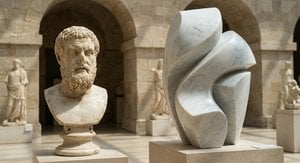
The Enduring Allure of Marble in Art History: From Classical Sculpture to Modern Abstraction
Explore the captivating history of marble sculpture from ancient Greece to modern art. Discover renowned artists like Canova & Michelangelo, carving techniques, and investment insights at ArtsDot.

Bronze Sculptures That Defined Art History | ArtsDot
Journey through art history with our Top 10 bronze sculptures! Explore masterpieces by Rodin, Michelangelo & more. Discover stories behind iconic statues and find museum-quality reproductions for your home decor at ArtsDot.com.

The Enduring Form: Exploring Themes & Techniques in Sculpture Across Historical Periods
Explore the rich history of sculpture from ancient masterpieces to contemporary innovations. Discover key techniques, influential artists & investment potential for discerning art collectors.

Bronze Age to Modern Masters: 10 Sculptures That Redefined Art | ArtsDot
Journey through art history with 10 legendary bronze sculptures – from Michelangelo's David to Rodin’s Thinker. Explore the stories, techniques & timeless beauty of these masterpieces. Find museum-quality reproductions & elevate your home decor on ArtsDot.com.