


 プレビュー
プレビュー
 シェアする
シェアする シェアする
シェアする
 詳細を見る
詳細を見る

 ダウンロード
 似ている作品
 X線調査
X線調査 スライドショー
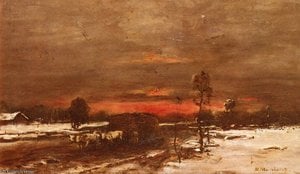
Winter Landscape
 Acrylic On Canvas
- WallArt
- Dutch Baroque Landscape
 1610
1610 36.0 x 47.0 cm
 ルーブル美術館
 詳細を見る
詳細を見る
ジークレー/アートプリント
迅速な制作と多彩な仕上げオプションを備えた、ミュージアムクオリティのジークレーまたはキャンバスプリント。 ( 手描きの絵画を購入 画像を購入)




P118B $10

P118H $10

P118W $10

P438Z $10

P508JH $12

P508YH $12

P805H $10

P805Z $10

P919BZ $10

P919G $10

P919XJ $10

P959ZH $10

P968JZ $12

W106C $8

W218G $10

W218JH $8

W218Y $10

W307PJ $10

W316G $10

W316PJ $8

W316Y $10

W398PJ $8

W4111J $10

W500HY $15

W500JH $15

W692G $12

W849H $8

W940BG $15

W953PJ $8




作品のオリジナル比率に合わせた、当店の規定サイズからお選びください。

特定のフレームやスペースに合わせて、ご自身でサイズを指定することも可能です。選択されたサイズが元の画像の比率と一致しない場合、作品をトリミングするか、鏡面反射または単色での塗りつぶしによって画像を拡張いたします。制作を開始する前に、ご確認用のデジタルモックアップをお送りいたします。
画面上のプレビューには、実際のトリミングや拡張は反映されませんのでご注意ください。最終的な構図を正確に確認できるのは、モックアップのみとなります。
カスタムサイズも承っておりますが、元の比率を維持するためには、あらかじめ用意されたリストからサイズを選択することをお勧めいたします。


 ガラスオプションは、110cm未満のサイズでのみご利用いただけます。

Winter Landscape
ジークレー/アートプリント
複製画のサイズ
-


合計金額
$ 62
作品詳細説明
A Winter’s Embrace: Denijs van Alsloot's Tranquil Landscape
Denijs van Alsloot stands as a pivotal figure in the burgeoning artistic landscape of the early 17th century, embodying the delicate transition from Mannerist formalism to the radiant optimism of the Dutch Baroque. Born around 1570 – though precise biographical details remain elusive – his formative years were inextricably linked to the craft of tapestry weaving, a profession that instilled within him an inherent understanding of composition and visual storytelling—skills which would prove invaluable in his subsequent artistic endeavors. Entering the Brussels Guild of St Luke in 1599 as a tapestry designer marked not merely a career change but a deliberate embrace of stylistic influences already shaping the era’s artistic sensibilities. Initially focused on textile artistry, Alsloot gradually honed his painting skills, accepting his first pupil and continuing to mentor apprentices until his death in 1626 – demonstrating a sustained commitment to fostering talent and furthering artistic innovation.The Canvas Speaks: Style and Technique
Alsloot’s oeuvre is characterized by a remarkable blend of realism and atmospheric perspective, reflecting the prevailing trends of the Dutch Golden Age. Unlike his predecessors who often prioritized idealized representations, Alsloot meticulously captured the subtle nuances of winter light and shadow, creating landscapes imbued with palpable depth and spatial illusion. His brushstrokes are deliberate yet fluid, conveying texture and movement—particularly evident in the depiction of snowdrifts and tree branches—a technique honed through years of apprenticeship and informed by observations of nature itself. The artist’s masterful use of color contributes significantly to the overall mood, favoring muted tones that evoke a sense of serenity and solitude. This restrained palette contrasts beautifully with the brilliant blues of the sky, emphasizing the grandeur of the natural world.A Scene Frozen in Time: Historical Context
Painted circa 1610, “Winter Landscape” aligns perfectly with the artistic fervor that gripped Holland during this period—a time marked by burgeoning economic prosperity and a fervent desire to express national identity through art. The painting’s subject matter – a solitary winter vista – speaks to the broader humanist concerns of the era, reflecting an interest in portraying the beauty and majesty of God's creation. Furthermore, Alsloot’s work draws inspiration from the artistic innovations originating in Italy—specifically the atmospheric perspective championed by artists like Jan van Goyen and Cornelis van Poelenburch—demonstrating a willingness to engage with international stylistic currents. The Louvre Museum houses this masterpiece, ensuring its enduring legacy for generations of art enthusiasts.Symbolism Beneath the Surface
Beyond its aesthetic merits, “Winter Landscape” carries subtle symbolic resonances. The barren trees represent mortality and resilience—a poignant reminder that even in dormancy, life persists beneath the frozen surface. The snow symbolizes purity and tranquility, mirroring the spiritual contemplation fostered by the contemplative gaze of the viewer. The distant village offers a glimpse into human habitation amidst the vastness of nature, highlighting the harmonious relationship between humankind and the environment – a theme central to Baroque artistic thought.Emotional Resonance: Capturing Tranquility
Ultimately, “Winter Landscape” succeeds in conveying an unparalleled sense of peace and contemplation. Alsloot’s meticulous attention to detail—from the delicate rendering of snow crystals to the subtle gradations of color—creates a visual experience that transcends mere representation; it invites viewers into a moment of profound stillness. This artwork embodies the spirit of its time, capturing not only the beauty of winter but also the enduring human desire for solace and connection with the natural world. Its timeless appeal continues to inspire collectors and interior designers alike who seek to infuse their spaces with elegance and serenity.関連作品




アーティストの略歴
フランドルの風景に息づく生活:ドニース・ファン・アルスローの世界
16世紀の伝統と、芽生え始めたバロックのダイナミズムの間で、独特な立ち位置を占める画家、ドニース・ファン・アルスロー。彼の名は、フランドルの美術史の中で静かに響き渡っています。ベルギーのメヘレンまたはブリュッセルに1570年頃生まれた彼は、幼少の頃から織工であった父の影響を受け、デザインと視覚的な構成に親しんで育ちました。正式な芸術教育を受けた詳細は不明ですが、家族との繋がりが、若きアルスローの美的感覚の基礎を築いたことは明らかです。1599年にブリュッセルの聖ルカ組合にタペストリーデザイナーとして入会し、当初は織工としての活動に専念していましたが、徐々に絵画へと移行し始めました。同年から弟子を受け入れ、1625年まで見習いを指導し続けました。この時期は、彼の才能が花開くまでの慎重な進化の過程を示唆しています。宮廷での依頼と芸術的繁栄
アルスローのキャリアにおける転換期となったのは、1606年頃にスペイン領ネーデルラントを統治していたアルバート公爵夫妻の宮廷画家として任命されたことです。この名誉ある地位は、経済的な安定をもたらしただけでなく、影響力のあるパトロンとの出会いと重要な依頼へと繋がりました。宮廷は彼のキャンバスとなり、壮大さと日常生活の両方を表現することを求めました。彼は市民行進、地元の祭り、儀式などのシーンを巧みに描き出し、17世紀のブリュッセル社会のスナップショットを残しました。最も注目すべき依頼の一つは、大公女イザベラ自身からのものでした。1615年のオムメガン(Ommegang)行進を描いた8枚のパネルの制作依頼です。この作品に対して彼は1万ギルダーという高額な報酬を受け取りました。これらの作品は単なる装飾品ではなく、当時のスペクタクルと社会構造を記録した歴史的な文書でした。アルスローの風景画は、地形の正確さと想像力豊かな表現が見事に融合しており、貴族階級の顧客に共感を呼びました。彼は特に冬の風景画で知られるようになり、頻繁にグロネンダール修道院を様々な季節の状況下で描きました。これらの作品は、宮廷が彼の才能とビジョンを高く評価した証です。ソニアン森林派と協調性
アルスローはしばしば、ブリュッセル周辺の広大な森林地帯からインスピレーションを得たソニアン森林派の画家たちと関連付けられています。この関係性は地理的な繋がりだけではありません。それは、この特定の環境を描写することへの共通の美的嗜好を反映しています。その密な森林、静かな修道院、そして雰囲気のある遠近法です。ソニアン森林に位置する修道院を描いた彼の連作は、自然の美しさとこれらの場所の精神的な重要性を捉える能力を示しています。しかし、アルスローは決して孤立して働いていませんでした。風景画の人物(スタッファージュ)を専門とするヘンドリック・デ・クレルクとの実りあるコラボレーションが、彼のスタイルを特徴づけるようになりました。デ・クレルクの鮮やかな色彩の人物たちは、アルスローが丹念に描いた背景に生命と物語をもたらし、見る者を魅了するダイナミックな構成を生み出しました。このパートナーシップは、共同制作という芸術への意欲を示しています。影響と発展するビジョン
アルスローの芸術的ルーツを辿ると、魅力的な影響の融合が明らかになります。初期作品には、彼が先代の巨匠たちを研究していたことが伺える16世紀の風景画の影響が見られます。特にヒリス・ファン・コニンクスローのスタイルは顕著ですが、アルスローの作品は一般的に穏やかで静的な質を持ち、よりソフトなパレットを使用し、細部に優れた精度を示しています。ヤン・ブリューゲル長老からの要素も取り入れ、それらを独自の表現へと昇華させました。彼の芸術的旅は単なる模倣ではありませんでした。それは進化の過程でした。タペストリーデザインから独立した風景画へと活動範囲を広げ、時間をかけて技術を磨き上げました。この進歩は、成長と革新への献身を示し、フランドル美術における彼の重要な地位を確固たるものにしました。遺産:17世紀のブリュッセルへの窓
1626年頃に亡くなったアルスロー(おそらく1628年以前)ですが、彼の芸術的遺産は今もなお残っています。彼の絵画は現在、マドリードのプラド美術館やロンドンのヴィクトリア&アルバート博物館など、世界中の著名な美術館に所蔵されており、彼の作品が何世紀にもわたって人々にインスピレーションを与え続けています。彼は技術的なスキルだけでなく、17世紀のブリッセルの生活を記録する能力でも記憶されています。祭りの描写、行進、風景画は、当時の社会習慣、建築的特徴、そして自然の美しさに関する貴重な洞察を提供します。ソニアン森林派の重要な代表者であり、初期の風景画の伝統と新たなバロック様式を結びつける移行期の人物として、アルスローは美術史において不可欠な存在です。彼はフランドル風景画やスペイン領ネーデルラントの豊かな芸術文化を研究する学者にとって、依然として重要なテーマであり続けています。彼の貢献が世界に永続的に刻まれている証です。
ドニース・ファン・アルスロー(Denijs Van Alsloot)
1570 - 1626 , ベルギー
基本情報
- Artistic Movement Or Style: ソニアン森林派
- Artists Or Movements Influenced By This Artist: ['ソニアン森林派']
- Artists Who Influenced This Artist:
- ヒリス・ファン・コンニンクスloo
- ヤン・ブリューゲル長老
- Date Of Birth: 1570年頃
- Date Of Death: 1626年頃
- Full Name: デニス・ファン・アルスloot
- Nationality: フランドル人
- Notable Artworks:
- テルヴュレン
- Landscape with Tobias...
- The Flight into Egypt
- Place Of Birth: メヘレン、ベルギー
関連記事
ゴッホ傑作25選:魂を揺さぶる名画の世界 | ArtsDot
ゴッホの傑作25選🎨 印象派から表現主義へ。ひまわり🌻や星月夜🌌など、魂を揺さぶる名画の世界をArtsDotで。高精細な複製画で、ゴッホの色彩と感情が宿るアートをあなたの空間に。コレクションはこちら👉
Cornelis van Poelenburch: Bridging Mannerism & the Dutch Baroque Landscape
Discover Cornelis van Poelenburch, a pivotal Dutch Baroque landscape painter bridging Mannerism & Italianate styles. Explore his life, key works, and lasting influence on 17th-century art with ArtsDot.

レンブラント傑作25選:光と影の巨匠、魂を揺さぶる名画の世界 | ArtsDot
レンブラントの傑作25選。光と影の魔術師が描いた魂を揺さぶる名画の世界へ。美術史に残る自画像、夜警、宗教画…ArtsDotで高品質なアートプリントやインテリアアートをお楽しみください。コレクションはこちら→

Dutch Baroque Masters: 10 Paintings That Shaped an Era | ArtsDot
Journey through the Golden Age with our guide to the Top 10 Dutch Baroque masterpieces! Explore iconic paintings by Rembrandt, Vermeer & Frans Hals. Find museum-quality art reproductions and elevate your home decor at ArtsDot.com.

Jan van Goyen: Master of Dutch Landscape & Atmospheric Perspective
Discover Jan van Goyen, the master of Dutch landscape painting. Explore his subtle technique, atmospheric realism & lasting influence on art history. Learn about this 17th-century pioneer at ArtsDot.

