

 設置イメージを表示
 シェアする
シェアする シェアする
シェアする
 詳細を見る
詳細を見る ガイドを表示

 ダウンロード
 似ている作品
 X線調査
X線調査 スライドショーを表示
 Q&A
Q&A 統計情報
統計情報Self-Portrait

- 164.0 x 122.0 cm


 詳細を表示
詳細を表示
ジークレー/アートプリント
スピーディーな制作と多彩な仕上げオプションが魅力の、ミュージアムクオリティなジークレー・キャンバスプリント。 ( 手描き複製画を注文する デジタル画像販売へ切り替え)




P118B ¥10

P118H ¥10

P118W ¥10

P438Z ¥10

P508JH ¥12

P508YH ¥12

P805H ¥10

P805Z ¥10

P919BZ ¥10

P919G ¥10

P919XJ ¥10

P959ZH ¥10

P968JZ ¥12

W106C ¥8

W218G ¥10

W218JH ¥8

W218Y ¥10

W307PJ ¥10

W316G ¥10

W316PJ ¥8

W316Y ¥10

W398PJ ¥8

W4111J ¥10

W500HY ¥15

W500JH ¥15

W692G ¥12

W849H ¥8

W940BG ¥15

W953PJ ¥8




作品のオリジナル比率に合わせた、当店の規定サイズからお選びください。

額縁や壁のスペースに合わせて、ご希望の幅と高さを入力してください。プリントはカットすることは可能ですが、元の画像より大きくすることはできないため、異なる比率のサイズを選択された場合は、画像の一部が欠けることになります。印刷を開始する前に、内容を確認していただくためのデジタルモックアップをお送りいたします。このページに表示されている画像は、実際のカット後の状態を示すものではありません。実際の仕上がりはモックアップにてご確認ください。


 ガラスオプションは、110cm未満のサイズでのみご利用いただけます。

Self-Portrait
ジークレー/アートプリント
複製画サイズ一覧
-


合計金額
¥ 9968
A Gaze Through Time: The Introspective Mastery of David Bailly
In the quiet, shadowed depths of the Dutch Golden Age, few works capture the profound weight of human existence as poignantly as David Bailly’s Self-Portrait. Painted in 1625, this masterpiece serves as more than a mere likeness; it is a window into the soul of a man navigating the complexities of his own mortality and legacy. As the viewer approaches this canvas, they are met with an arresting, direct gaze that seems to bridge the centuries, pulling us into a silent dialogue with the artist himself. The composition is masterfully balanced, centering a middle-aged Bailly against a dark, indeterminate void that pushes his features forward, demanding our undivided attention.
The technique employed by Bailly is a testament to the rigorous training of the Leiden school. Through a sophisticated use of chiaroscuro, he orchestrates a dramatic interplay between light and shadow. A soft, directional light source from the upper left illuminates the contours of his face, highlighting the weathered texture of his skin and the thoughtful furrow of his brow. Every detail—from the crisp, white folds of his period collar to the meticulously rendered strands of his beard—is executed with a breathtaking realism that speaks to the artist's profound command over oil paint. This tactile quality does not merely replicate reality; it breathes life into the canvas, making the subject feel palpably present.
Symbolism and the Vanitas Tradition
Beyond its technical brilliance, the painting is steeped in the rich symbolic language of the 17th-century vanitas tradition. During this era, Dutch artists frequently used portraiture to meditate on the fleeting nature of life, the inevitability of death, and the vanity of earthly pursuits. In Bailly’s self-portrait, the somber palette of earth tones and the stark contrast of light against darkness evoke a sense of contemplative melancholy. The artist uses his own likeness as a vessel for these larger philosophical inquiries, inviting collectors and observers to reflect on the passage of time.
For the discerning art lover or interior designer, this piece offers a profound emotional resonance that transcends simple decoration. It is an artwork of substance, providing a focal point of intellectual and aesthetic depth. Whether placed in a curated gallery setting or as a commanding centerpiece in a sophisticated study, the Self-Portrait brings with it an atmosphere of timeless wisdom and quiet dignity. To possess a reproduction of this work is to invite a piece of history into one's space—a piece that celebrates the enduring power of human introspection and the exquisite artistry of the Dutch masters.
Q&A
私の部屋には、"Self-Portrait" のどのプリントサイズが適していますか?
Living Roomでは、Self-PortraitはLargeのプリントサイズでの展示をおすすめします。
「Self-Portrait」は、ダーフィット・バイリーのこれまでの作風を象徴するものと言えるでしょうか?
ダーフィット・バイリーの代表的なテーマであるdutch golden age realism, vanitas symbolism, baroque lighting techniques, introspective self-representation, 17th-century dutch cultureにおいて、「Self-Portrait」はself-portrait, baroque, dutch golden age, realism, vanitas, man, introspectionに独自の焦点を当てています。
「Self-Portrait」の作者は誰ですか?
「Self-Portrait」の作者はダーフィット・バイリーとされています。
関連作品


関連記事

Dutch Baroque Masters: 10 Paintings That Shaped an Era | ArtsDot
Journey through the Golden Age with our guide to the Top 10 Dutch Baroque masterpieces! Explore iconic paintings by Rembrandt, Vermeer & Frans Hals. Find museum-quality art reproductions and elevate your home decor at ArtsDot.com.

レンブラント傑作25選:光と影の巨匠、魂を揺さぶる名画の世界 | ArtsDot
レンブラントの傑作25選。光と影の魔術師が描いた魂を揺さぶる名画の世界へ。美術史に残る自画像、夜警、宗教画…ArtsDotで高品質なアートプリントやインテリアアートをお楽しみください。コレクションはこちら→

エゴン・シーレ傑作25選:魂を揺さぶる表現主義の世界 | ArtsDot
エゴン・シーレの傑作25選。表現主義を代表するオーストリアの画家、その魂を揺さぶる人物画や自画像の世界へ。ArtsDotで名画の複製画とインテリアアートをお楽しみください。コレクションを見る▶
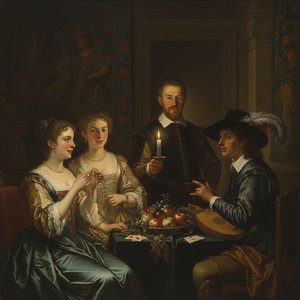
Gerard van Honthorst: Illuminating the Dutch Golden Age with Caravaggism & Courtly Grace
Explore the captivating world of Gerard van Honthorst, a Dutch Golden Age master renowned for his dramatic chiaroscuro & courtly portraits. Discover his life, art, and lasting influence on Baroque painting.

Vanitas & Beyond: Exploring Mortality's Artistic Legacy for the Elite Collector
Explore the rich history & symbolism of Vanitas paintings with ArtsDot. Discover masterpieces reflecting mortality, societal values, & collecting insights for discerning art enthusiasts.