

 プレビュー
プレビュー
 プリントを購入
 シェアする
シェアする シェアする
シェアする
 詳細を見る
詳細を見る

 ダウンロード
 似ている作品
 X線調査
X線調査 スライドショー
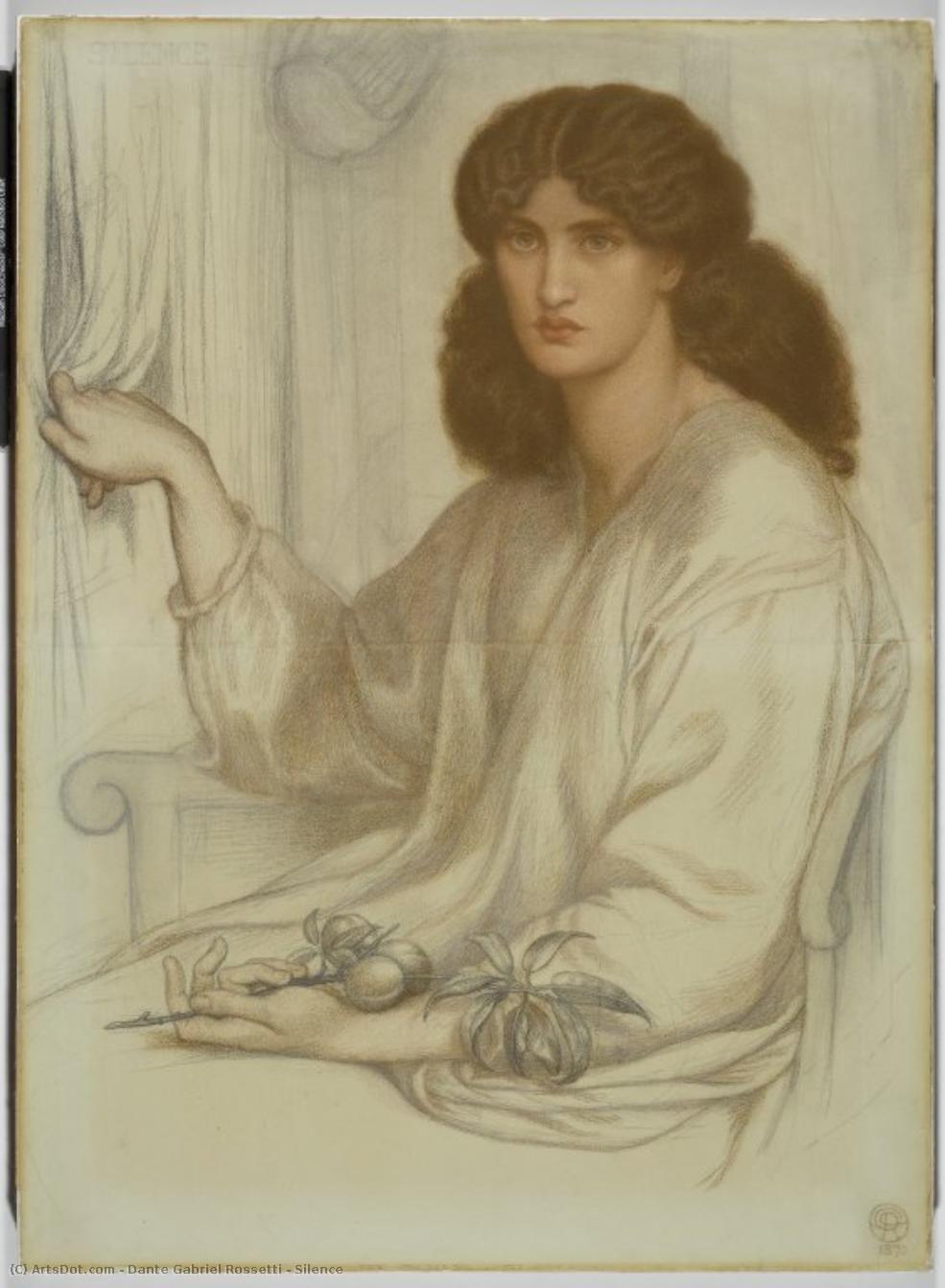
Silence
 Romanticism
 1870
1870 106.0 x 77.0 cm
 詳細を見る
詳細を見る
オンラインプレビューをはるかに凌ぐ、高解像度で鮮明なデジタル画像をご購入いただけます。
各ファイルは、社内の専門家が高度なツールと熟練した手作業によるレタッチを用いて、細心の注意を払って準備されています。すべての画像において、卓越した鮮明度、正確な色彩再現性、そして繊細なディテールを保証いたします。
最終ファイルは、プロフェッショナルな編集・印刷環境ですぐにご利用いただけるよう最適化された状態で、72時間以内にメールにてお届けいたします。これは、一流のデザインスタジオ、出版社、ギャラリーから信頼されているものと同等の品質です。
デジタル画像のご注文に付随する特典
高品質なデジタル画像配信を、確かな品質で。
ArtsDot.com を選ぶことは、単に画像を手に入れることではありません。それは、プロの手によって精密に仕上げられ、満足保証が付いた高品質なデジタルアートワークを受け取ることを意味します。ご注文いただいた際に自動的に付随する内容は、以下の通りです:

メールですぐにお届け
ご注文から72時間以内に、高解像度のデジタル画像ファイルがメールでお手元に届きます。すぐにそのままご利用いただけます。

AI技術で最適化されたデジタルファイル
お客様の作品は、高度なAIツールと専門家による手作業の編集を組み合わせてプロフェッショナルに最適化されており、細部のディテール、鮮明さ、そして正確な色再現性を最大限に引き出しています。

一生涯無料の再送サービス
ファイルを誤って削除したり、紛失してしまったりしましたか?ご安心ください。いつでも無料で再送いたします。

輸入手数料は一切かかりません
関税や手数料、配送料を気にすることなく、お気に入りのアートワークをすぐにお楽しみいただけます。デジタルダウンロードは常に免税です。

色彩再現の保証
プロ仕様のツールとカラーマネジメント技術を用いることで、デジタル画像が元の色を最大限に忠実に再現することを保証いたします。

60日間満足保証
ご購入いただいたデジタル画像にご満足いただけない場合は、60日以内であれば、修正または100%の返金(理由を問う必要はありません)をさせていただきます。

100% 返金保証
ご満足いただけない場合は、デジタルファイルを受け取ってから60日以内であれば、理由を問わず全額返金いたします。

まとめ買い割引
3枚購入で10%OFF - 5枚購入で15%OFF - 10枚以上購入で20%OFF。クリエイティブなプロジェクト、ギャラリー、エージェンシーに最適です。
関連作品


作家の略歴
A Life Immersed in Beauty: The World of Dante Gabriel Rossetti
Dante Gabriel Rossetti, born May 12, 1828, in London, was a pivotal figure in the Pre-Raphaelite Brotherhood and a poet whose verses were as richly symbolic and evocative as his paintings. His life was deeply intertwined with aestheticism, a movement that championed “art for art’s sake,” and a passionate pursuit of beauty in all its forms. Rossetti wasn't merely an artist; he was a polymath—painter, illustrator, poet, translator—whose work consistently blurred the boundaries between these disciplines. His Italian heritage, stemming from his exiled political father, Gaetano Rossetti, instilled within him a lifelong fascination with Dante Alighieri and the Renaissance masters, influences that would profoundly shape his artistic vision. He received early training at Sass’s Academy, then entered the Royal Academy Schools in 1845, though he quickly became disillusioned with its conventional approach to art. This dissatisfaction led him, along with William Holman Hunt and John Everett Millais, to form the Pre-Raphaelite Brotherhood in 1848, a rebellious group seeking to revive the artistic principles of pre-Renaissance Italian painting—a time they believed possessed greater sincerity and spiritual depth than the academic styles prevalent during their era.The Early Years: From Literary Aspirations to Artistic Rebellion
Rossetti’s initial ambition wasn't primarily focused on painting; he began as a poet, deeply influenced by Keats, Shelley, and Tennyson. He translated early Italian poets, including Dante, which further cemented his connection to the artistic traditions of the Renaissance. However, his visual imagination proved equally compelling. His early paintings, such as *The Youthful Lady with Rosary* (1849), already demonstrate a meticulous attention to detail and a romantic sensibility. The formation of the Pre-Raphaelite Brotherhood marked a turning point. Rejecting the idealized forms and artificial lighting favored by academic painters, the Brotherhood sought truthfulness in representation—observing nature directly and employing vibrant colors. *Annunciation* (1850), painted with Holman Hunt, exemplifies this commitment to realism, though it also reveals Rossetti’s growing interest in symbolism and emotional intensity. The work was met with harsh criticism for its unconventional depiction of Mary and Joseph, highlighting the Brotherhood's deliberate challenge to established artistic norms. This early period saw a focus on religious themes, but even then, Rossetti infused his works with a personal, often melancholic, atmosphere.A Shifting Focus: The Rise of *Rossettian* Symbolism
Throughout the 1850s and 60s, Rossetti’s style evolved significantly. He moved away from overtly religious subjects towards more secular themes—often drawing inspiration from literature, mythology, and his own intensely personal life. His paintings became increasingly characterized by a dreamlike quality, rich symbolism, and an exploration of female beauty. *Proserpine* (1874) is a prime example; the goddess of the underworld is depicted with a hauntingly beautiful face, surrounded by wilting pomegranate blossoms—a symbol of her captivity and longing for freedom. This period also saw the emergence of his iconic depictions of red-haired women, inspired initially by his mother and later by his muses, Elizabeth Siddal and Jane Morris. These women weren’t simply portraits; they embodied Rossetti's ideal of feminine beauty—enigmatic, sensual, and often associated with themes of love, loss, and desire. He developed a distinctive technique characterized by layered glazes and a luminous quality that contributed to the ethereal atmosphere of his works. His poetry flourished alongside his painting, often serving as inspiration for his visual creations and vice versa. The collection *Poems* (1870) cemented his reputation as a major Victorian poet, exploring themes of passion, death, and spiritual longing.Later Life and Legacy: A Lasting Influence
The latter part of Rossetti’s life was marked by increasing seclusion and a growing obsession with aestheticism. He built Kelmscott Manor in the countryside with William Morris, creating a retreat dedicated to artistic pursuits. His later works, such as *La Pia de' Tolomei* (1868-81) and *Beatrice Portinari* (1879), demonstrate an even greater emphasis on symbolism and emotional depth. He became increasingly fascinated with the medieval world and incorporated elements of Gothic art into his paintings. The tragic death of Elizabeth Siddal in 1862 deeply affected Rossetti, leading to a period of intense grief and depression. His relationship with Jane Morris provided both artistic inspiration and personal solace. Rossetti’s influence on the Aesthetic movement was profound. Artists like Aubrey Beardsley and Edward Burne-Jones drew heavily from his style and themes. He championed the idea that art should exist solely for its own beauty, rejecting moral or didactic purposes. He died April 9, 1882, leaving behind a legacy of stunning paintings and evocative poetry that continues to captivate audiences today. His work remains a testament to the power of beauty, symbolism, and the enduring allure of the human imagination.Major Achievements & Historical Significance
- Founding Member of the Pre-Raphaelite Brotherhood: Rossetti’s role in establishing this influential artistic group revolutionized Victorian painting, challenging academic conventions and paving the way for modern art.
- Pioneering Symbolism in Art: His use of rich symbolism and dreamlike imagery profoundly influenced the Aesthetic movement and subsequent generations of artists.
- Integration of Poetry and Painting: Rossetti seamlessly blended his poetic vision with his visual creations, creating a unique artistic language that explored themes of love, loss, and spiritual longing.
- Elevation of Female Beauty: His iconic depictions of red-haired women redefined Victorian standards of beauty and challenged conventional representations of femininity.
- Championing “Art for Art’s Sake”: Rossetti’s advocacy for aestheticism helped to liberate art from moral constraints, emphasizing its intrinsic value and emotional power.


