


 プレビュー
プレビュー
 プリントを購入
 シェアする
シェアする シェアする
シェアする
 詳細を見る
詳細を見る

 ダウンロード
 似ている作品
 X線調査
X線調査 スライドショー
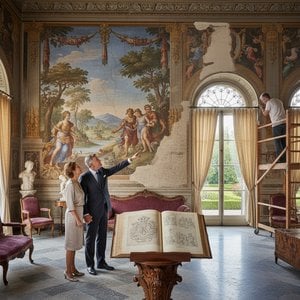
Interior view


 詳細を見る
詳細を見る




P118B $10

P118H $10

P118W $10

P438Z $10

P508JH $12

P508YH $12

P805H $10

P805Z $10

P919BZ $10

P919G $10

P919XJ $10

P959ZH $10

P968JZ $12

W106C $8

W218G $10

W218JH $8

W218Y $10

W307PJ $10

W316G $10

W316PJ $8

W316Y $10

W398PJ $8

W4111J $10

W500HY $15

W500JH $15

W692G $12

W849H $8

W940BG $15

W953PJ $8




作品のオリジナル比率に合わせた、当店の規定サイズからお選びください。

特定のフレームやスペースに合わせて、ご希望のサイズをご入力いただけます。選択されたサイズが元の画像の比率と異なる場合、アートワークをトリミングするか、手描きで要素を追加して絵画を拡張いたします。デジタルモックアップ を制作し、制作開始前にご確認(承認)をいただきます。
画面上のプレビューは、実際のトリミングや拡張を正確に反映しているものではありません。最終的な構図は、モックアップによってのみ正確にご確認いただけます。
カスタムサイズもご利用いただけますが、元の比率を維持するためには、あらかじめ用意されたリストからサイズを選択することをお勧めいたします。
ご注文後、ArtsDot.com チームより詳細な指示をお送りするとともに、仕上がりイメージ(モックアップ)をご提供いたします。


 ガラスオプションは、110cm未満のサイズでのみご利用いただけます。

Interior view
複製技法
複製画のサイズ
-


合計金額
$ 263
関連作品


アーティストの略歴
Cesare Baglione: A Visionary of Mannerist Fantasy
Cesare Baglione (c. 1525–1590), born in Cremona, Italy, stands as a pivotal figure within the Italian Renaissance and Mannerist movements—a painter who dared to push boundaries and infuse his canvases with imaginative grandeur. While biographical details remain somewhat sparse compared to contemporaries like Michelangelo or Raphael, Baglione’s legacy rests firmly on his groundbreaking frescoes and decorative panels that continue to inspire awe and scholarly debate. ### Early Life and Training Little is known about Baglione's formative years beyond confirming he was apprenticed to his father, Giovanni Battista Baglione, a respected sculptor and painter active in Cremona. This familial connection instilled within him a foundational understanding of sculptural principles alongside painting techniques—a combination that would prove crucial to his distinctive artistic vision. His training likely encompassed the study of classical sculpture and drawing, shaping his aesthetic sensibilities before he embarked on his independent career. ### Florentine Period and Artistic Breakthroughs (1565-1574) Baglione’s journey toward artistic prominence began in Florence during the reign of Cosimo I de' Medici. Here, he honed his skills under Andrea Palladio, absorbing Palladio’s mastery of architectural disegno—the art of drawing—and applying its principles to monumental fresco cycles. This Florentine experience solidified Baglione’s reputation as a painter capable of tackling ambitious projects and executing complex compositions with remarkable precision. Notably, he undertook the decoration of Palazzo Vecchio's Sala dei Cinquecenti, creating a breathtaking panorama of mythological figures and architectural elements—a testament to his burgeoning talent and Palladio’s influence. ### The Triumph of Saint Peter (1570-1572) Baglione’s magnum opus is undoubtedly “The Triumph of Saint Peter,” executed in the Basilica di San Pietro in Rome during the papal jubilee of 1570. This monumental fresco cycle represents a pinnacle of Mannerist style, characterized by dramatic perspective, stylized figures, and an opulent visual vocabulary designed to evoke profound emotion. Baglione’s masterful manipulation of light and shadow—a technique honed through meticulous observation of natural phenomena—creates an immersive experience for the viewer, transporting them into a fantastical realm populated by saints, angels, and biblical narratives. The composition itself is deliberately unsettling, reflecting the anxieties surrounding papal authority during the turbulent period. ### Decorative Panels and Continued Innovation (1574-1590) Following his Florentine engagement, Baglione continued to work prolifically in Rome and elsewhere, producing decorative panels for aristocratic patrons—primarily commissioned by Cardinal Farnese. These panels showcased Baglione’s versatility as an artist, demonstrating his ability to adapt his style to diverse contexts while maintaining a consistent commitment to imaginative grandeur. He explored innovative techniques of illusionistic painting, incorporating trompe-l'oeil effects and intricate ornamentation to achieve unparalleled visual impact. His final works exemplify the Mannerist preoccupation with psychological depth and emotional intensity—a characteristic that distinguishes him from earlier Renaissance artists who favored idealized representations of beauty. ### Legacy and Influence Cesare Baglione’s contribution to art history extends far beyond his individual masterpieces. He championed a bold aesthetic vision—one rooted in classical ideals yet infused with Mannerist fantasy—that profoundly impacted subsequent generations of painters. His emphasis on dramatic perspective, stylized figures, and emotive expression foreshadowed developments within Baroque art, establishing him as an important precursor to the stylistic innovations that would define the seventeenth century. Baglione’s unwavering dedication to artistic experimentation cemented his place among the most influential artists of his time—a visionary whose legacy continues to resonate with scholars and admirers alike.
cesare baglione
1525 - 1590 , Italy
基本情報
- Artistic Movement Or Style: Mannerist
- Artists Or Movements Influenced By This Artist: ['Bernardino Rastrelli']
- Artists Who Influenced This Artist: ['Michelangelo Buonarroti']
- Date Of Birth: ca. 1525
- Date Of Death: 1615
- Full Name: Cesare Baglione
- Nationality: Italian
- Notable Artworks:
- Interior View
- Grotesques with Imaginary Landscapes
- Place Of Birth: Bologna, Italy
関連記事
家族の遺産を壁画で彩る:伝統技法が紡ぐ、時を超越する美と記憶
古代から現代までの壁画の歴史と技法を解説。日本の壁画文化やカスタムオーダーによる家族の遺産表現、保存・修復技術まで網羅。専門家が時を超越する美と記憶を紡ぐ芸術的価値をご案内します。

Art That Lives With You: The Emotional Power of a Custom Interior Fresco
Discover the emotional power & timeless beauty of custom interior frescoes. Explore history, design tips & expert guidance from – creating lasting legacies.

The Enduring Legacy of Fresco Painting: Techniques, History & Contemporary Relevance
Explore the rich history & enduring artistry of fresco painting – from Giotto to Michelangelo! Discover techniques, conservation efforts, & modern applications. Learn how ArtsDot brings this timeless art form to your home.

古典と現代の調和:大胆な抽象芸術がクラシックインテリアに与える影響
抽象表現主義がクラシックインテリアに与える影響を解説。色彩心理学や空間への効果、著名なアーティストの作品を紹介します。ArtsDot.comで理想のアートピースを見つけ、洗練された空間を実現しましょう。

The Enduring Legacy of Fresco: Technique, History & Artistic Expression Across Cultures
Explore the rich history & enduring legacy of fresco painting! Discover ancient techniques, Giotto's masterpieces, and modern applications. Expert insights for art lovers & professionals.

