

 設置イメージを表示
 シェアする
シェアする シェアする
シェアする
 詳細を見る
詳細を見る ガイドを表示

 ダウンロード
 似ている作品
 X線調査
X線調査 スライドショーを表示
 Q&A
Q&A 統計情報
統計情報Angler

- 62.0 x 75.0 cm


 詳細を表示
詳細を表示
ジークレー/アートプリント
スピーディーな制作と多彩な仕上げオプションが魅力の、ミュージアムクオリティなジークレー・キャンバスプリント。 ( 手描き複製画を注文する デジタル画像販売へ切り替え)




P118B ¥10

P118H ¥10

P118W ¥10

P438Z ¥10

P508JH ¥12

P508YH ¥12

P805H ¥10

P805Z ¥10

P919BZ ¥10

P919G ¥10

P919XJ ¥10

P959ZH ¥10

P968JZ ¥12

W106C ¥8

W218G ¥10

W218JH ¥8

W218Y ¥10

W307PJ ¥10

W316G ¥10

W316PJ ¥8

W316Y ¥10

W398PJ ¥8

W4111J ¥10

W500HY ¥15

W500JH ¥15

W692G ¥12

W849H ¥8

W940BG ¥15

W953PJ ¥8




作品のオリジナル比率に合わせた、当店の規定サイズからお選びください。

額縁や壁のスペースに合わせて、ご希望の幅と高さを入力してください。プリントはカットすることは可能ですが、元の画像より大きくすることはできないため、異なる比率のサイズを選択された場合は、画像の一部が欠けることになります。印刷を開始する前に、内容を確認していただくためのデジタルモックアップをお送りいたします。このページに表示されている画像は、実際のカット後の状態を示すものではありません。実際の仕上がりはモックアップにてご確認ください。


 ガラスオプションは、110cm未満のサイズでのみご利用いただけます。

Angler
ジークレー/アートプリント
複製画サイズ一覧
-


合計金額
¥ 9954
Angler - A Portrait of Rural Tranquility
The painting “Angler” by Carel de Moor (1655 – 1738), created around 1700, stands as a quintessential example of Leiden’s Baroque landscape tradition—a genre distinguished by its meticulous realism and profound engagement with the natural world. More than just a depiction of fishing activity, it embodies an idealized vision of rural life, capturing a moment of serene contemplation amidst pastoral beauty.- Subject Matter: The artwork portrays three figures – a young man diligently tending to his fishing line by a pond or canal—a scene rendered with remarkable detail—and two companions observing him from a weathered wooden fence. A milkmaid stands nearby, her gaze directed towards the fisherman’s actions, adding an element of domesticity and quiet observation to the composition.
- Style: De Moor adheres closely to the conventions established by Leiden’s leading artists of his era, notably Gerard Dou and Frans van Mieris. This stylistic lineage emphasizes clarity of form, subtle tonal gradations, and a masterful rendering of textures—characteristics that elevate “Angler” beyond mere representation into an emotionally resonant experience.
- Technique: Executed in oil on canvas using traditional brushwork techniques, the painting showcases De Moor’s exceptional skill in achieving luminous effects and conveying atmospheric depth. Glazes were skillfully employed to subtly modulate color hues and enhance the overall sense of realism—a testament to the artist's dedication to mastering the medium.
Composition & Perspective – A Triangular Harmony
The painting’s compositional structure is notably balanced, utilizing a triangular arrangement that draws the viewer’s eye towards the central figure—the fisherman himself. This deliberate positioning underscores his importance within the scene and establishes a visual hierarchy that guides the gaze across the canvas. Linear perspective contributes to creating depth, subtly diminishing the scale of distant buildings and emphasizing the immediacy of the pond’s surface. Aerial perspective—characterized by muted colors and softened contours—further enhances this illusion of distance, immersing the viewer in the tranquil atmosphere of the countryside.Color Palette & Light – Subtle Nuances of Pastoral Dusk
The color palette is dominated by earthy tones—ochres, browns, and greens—reflecting the natural environment depicted. However, subtle accents of blue—primarily in the sky—introduce a contrasting element that adds visual interest and reinforces the mood of quiet contemplation. Highlights of yellow illuminate the distant buildings and foliage, creating points of warmth against the cooler hues of the landscape. The diffused lighting suggests an overcast day or early morning light—conditions conducive to fostering serenity and enhancing the painting’s emotional impact.Symbolism & Emotional Resonance – Reflections of Inner Peace
Beyond its visual beauty, “Angler” carries symbolic weight. The act of fishing itself can be interpreted as representing patience, perseverance, and a connection to the rhythms of nature—values deeply cherished during the Baroque period. The figures’ postures convey calmness and repose, embodying an idealized vision of human existence harmoniously integrated with the natural world. Ultimately, De Moor's masterpiece invites contemplation on themes of tranquility, simplicity, and the enduring allure of pastoral landscapes.Historical Context – Leiden’s Artistic Legacy
Carel de Moor’s work is firmly rooted in Leiden’s artistic heritage—a tradition characterized by an unwavering commitment to realism and a profound appreciation for observation. Situated within the broader context of the Dutch Golden Age, “Angler” exemplifies the stylistic ideals that prevailed during this era—reflecting a fascination with capturing fleeting moments of beauty and conveying nuanced emotional states through masterful technique. It stands as a lasting testament to Leiden’s enduring contribution to European art history.Q&A
Carel de Moor作「Angler」の複製画は、お部屋にどのような雰囲気をもたらしてくれるでしょうか?
Carel de Moor作「Angler」はSereneな雰囲気を纏っており、Living Roomに飾るのがおすすめです。作品が周囲の空間にもたらすムードをお楽しみください。
Carel de Moor作「Angler」は、有名な作品ですか?
Carel de Moor作「Angler」 の人気度は Recognized です。この分類は、その作品がどの程度広く知られているかを表しています。
「Angler」の色使いは、鮮やかでしょうか、それとも淡い感じでしょうか?
「Angler」の彩度はMonochromaticです。彩度とは、色の鮮やかさの度合いを表します。
関連作品


作家プロフィール
The Meticulous Legacy of Carel de Moor
In the vibrant, light-drenched era of the Dutch Golden Age, where the mastery of shadow and substance defined a generation, Carel de Moor emerged as a quiet yet profound architect of detail. Born in Leiden in 1655, de Moor was not merely an observer of his time but a product of a deeply rooted artistic lineage. As the son of a painter and art dealer, his very existence was entwined with the textures of oil and the precision of the etching needle. While history often celebrates the more flamboyant rebels of the seventeenth century, de Moor’s greatness lay in his devotion to fijnschilder—the fine painting style—a method that demanded an almost superhuman level of patience and a surgical command over light.
His formative years were shaped by the prestigious artistic circles of Leiden, where he studied under legendary masters such as Gerard Dou and Frans van Mieris. These mentors instilled in him the foundational principles of the Leiden school: an obsession with microscopic realism and the ability to transform a flat canvas into a window of tactile reality. De Moor did not seek to overturn the traditions of his predecessors; instead, he sought to perfect them. Through his apprenticeship, he mastered the delicate art of chiaroscuro, learning how to use the dramatic interplay of light and shadow to breathe psychological life into his subjects, turning a simple portrait into a profound study of human character.
A Master of Portraiture and Genre
The breadth of de Moor’s oeuvre reflects a versatile spirit capable of navigating both the intimate and the atmospheric. He was particularly renowned for his portraits, which captured the dignity and subtle emotions of the Dutch citizenry with unparalleled grace. In these works, one can observe a remarkable ability to render the sheen of silk, the weight of velvet, and the translucent quality of skin, all while maintaining a sense of soulful presence. His portraits were not merely records of likeness but explorations of identity, often utilizing soft, directional light to highlight the contemplative expressions of his sitters.
Beyond the formal confines of portraiture, de Moor excelled in genre scenes—narrative paintings that captured the rhythms of everyday life. Whether depicting a tranquil moment of rural leisure or a more complex social interaction, his work always maintained a sense of stilleven-like precision. Some of his most evocative works include:
- The Angler: A masterful distillation of the Dutch Baroque aesthetic, where the quietude of nature and the focused movement of the fisherman create a sense of eternal peace.
- Self-Portraits: Introspective studies that reveal the artist’s own evolving technique and his deep connection to the traditions of his mentors.
- Soldier Scenes: Works that demonstrate his ability to handle more dynamic, crowded compositions while retaining his signature clarity and detail.
Historical Significance and Artistic Endurance
As the seventeenth century transitioned into the eighteenth, de Moor’s role as a leader within the St. Luke’s Guild and his service as a deacon underscored his high social and professional standing in Leiden. He was a pillar of the artistic community, bridging the gap between the intense realism of the early Golden Age and the more refined, elegant sensibilities of the following era. His etchings, characterized by their incredible tonal range and fine linework, allowed his artistry to reach beyond the walls of private collections, spreading the influence of the Leiden style through the medium of print.
Though he may not have possessed the revolutionary fire of a Rembrandt, Carel de Moor’s contribution to the canon of European art is immeasurable. He provided the essential continuity of excellence that allowed Dutch painting to maintain its prestige. Today, his works housed in institutions like the Rijksmuseum and Museum De Lakenhal serve as enduring testaments to a life dedicated to the pursuit of perfection. He remains a master of the subtle, reminding us that true greatness often resides in the quietest, most meticulously rendered details.

Carel de Moor
1655 - 1738 , Netherlands
プロフィール概要
- Full Name: Carel de Moor
- Nationality: Dutch
- Date Of Birth: 1655
- Date Of Death: 1738
- Place Of Birth: Leiden, Netherlands
- Notable Artworks:
- Portrait of a Gentleman
- The Adoration Of The Magi
- Artistic Movement Or Style: Baroque
- Artists Who Influenced This Artist:
- Gerard Dou
- Lucas van Leyden
- Artists Or Movements Influenced By This Artist: ['Willem van Mieris']
関連記事
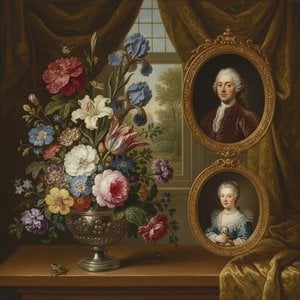
Jan van Kessel the Elder: A Baroque Master of Floral Still Life & Miniature Portraiture
Discover the exquisite detail of Jan van Kessel the Elder's Baroque floral still lifes & captivating miniatures. Explore his artistic legacy, scientific precision, and lasting influence on 17th-century Flemish painting.

Dutch Baroque Masters: 10 Paintings That Shaped an Era | ArtsDot
Journey through the Golden Age with our guide to the Top 10 Dutch Baroque masterpieces! Explore iconic paintings by Rembrandt, Vermeer & Frans Hals. Find museum-quality art reproductions and elevate your home decor at ArtsDot.com.

The Architecture of Depth: A Guide to Layered Composition in Art and Photography
Master the art of layered composition through expert analysis of depth and technique. Learn to create immersive images today.

Illuminating Realism: Exploring the Dutch Golden Age of Painting (1600-1700)
Explore the Dutch Golden Age of painting (1600-1700) with ArtsDot. Discover Rembrandt, Vermeer & other masters. Learn about techniques, history & find museum-quality reproductions.

Gerard ter Borch: Intimacy & Light in the Dutch Golden Age
Explore the captivating world of Gerard ter Borch, a master of Dutch Golden Age genre painting. Discover his intimate scenes, masterful light, and lasting influence on art history. Learn more at ArtsDot.