


 プレビュー
プレビュー
 シェアする
シェアする シェアする
シェアする
 詳細を見る
詳細を見る

 ダウンロード
 似ている作品
 X線調査
X線調査 スライドショー
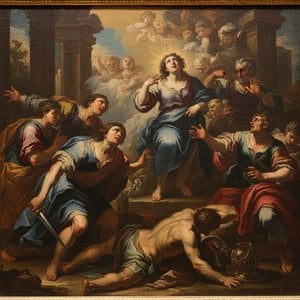
Christ at the Column


 詳細を見る
詳細を見る
ジークレー/アートプリント
迅速な制作と多彩な仕上げオプションを備えた、ミュージアムクオリティのジークレーまたはキャンバスプリント。 ( 手描きの絵画を購入 画像を購入)




P118B $10

P118H $10

P118W $10

P438Z $10

P508JH $12

P508YH $12

P805H $10

P805Z $10

P919BZ $10

P919G $10

P919XJ $10

P959ZH $10

P968JZ $12

W106C $8

W218G $10

W218JH $8

W218Y $10

W307PJ $10

W316G $10

W316PJ $8

W316Y $10

W398PJ $8

W4111J $10

W500HY $15

W500JH $15

W692G $12

W849H $8

W940BG $15

W953PJ $8




作品のオリジナル比率に合わせた、当店の規定サイズからお選びください。

特定のフレームやスペースに合わせて、ご自身でサイズを指定することも可能です。選択されたサイズが元の画像の比率と一致しない場合、作品をトリミングするか、鏡面反射または単色での塗りつぶしによって画像を拡張いたします。制作を開始する前に、ご確認用のデジタルモックアップをお送りいたします。
画面上のプレビューには、実際のトリミングや拡張は反映されませんのでご注意ください。最終的な構図を正確に確認できるのは、モックアップのみとなります。
カスタムサイズも承っておりますが、元の比率を維持するためには、あらかじめ用意されたリストからサイズを選択することをお勧めいたします。


 ガラスオプションは、110cm未満のサイズでのみご利用いただけます。

Christ at the Column
ジークレー/アートプリント
複製画のサイズ
-


合計金額
$ 62
作品詳細説明
A Moment of Profound Suffering: Unveiling Caravaggio’s *Christ at the Column*
Caravaggio's *Christ at the Column*, painted in 1607, is a visceral and deeply moving depiction of Christ’s torment during his Passion. This oil on canvas (134 x 175 cm), currently housed in the Musée des Beaux-Arts in Rouen, France, isn’t merely a historical representation; it's an invitation to confront human suffering with unflinching honesty. The painting captures the moment before Christ’s flagellation, a pivotal scene of vulnerability and impending sacrifice.Compositional Mastery & Dramatic Lighting
The composition is strikingly simple yet powerfully effective. Christ, bound to the column, occupies the central focus, his body illuminated by an unseen light source. Around him stand three figures – one holding Christ’s hands aloft in anticipation of the scourging, and two others observing with a mixture of detachment and grim acceptance. In the background, partially obscured in shadow, are additional figures and a horse, adding depth to the scene without distracting from the central drama. Caravaggio's signature technique, tenebrism – an extreme contrast between light and dark – is masterfully employed here. The stark illumination isolates Christ’s form, emphasizing his physical and emotional vulnerability. This dramatic lighting doesn’t just depict a scene; it *creates* an atmosphere of intense psychological tension.The Baroque Style & Artistic Innovation
*Christ at the Column* is a quintessential example of Baroque art. Rejecting the idealized forms of the Renaissance, Caravaggio embraced realism, portraying figures with raw emotion and physical imperfections. His approach was revolutionary for its time, prioritizing emotional impact over classical beauty. The painting’s almost monochromatic palette – dominated by blacks, browns, and subtle highlights – further intensifies the somber mood and directs the viewer's attention to Christ’s suffering.Historical Context & Commission
This work was commissioned by the di Franco family for a chapel in the church of San Domenico Maggiore in Naples. It exists alongside another, equally compelling *Flagellation of Christ* by Caravaggio, housed in the Museo Nazionale di Capodimonte in Naples. The commission reflects the Counter-Reformation’s emphasis on emotional engagement with religious narratives – aiming to inspire piety and devotion through powerful visual storytelling. Caravaggio's turbulent life, marked by violence and exile, undoubtedly informed his ability to portray such profound human experiences.Symbolism & Emotional Resonance
Beyond the literal depiction of Christ’s torment, *Christ at the Column* is rich in symbolism. The column itself represents imprisonment and suffering, while the bound hands symbolize powerlessness. The figures surrounding Christ embody different responses to his plight – indifference, anticipation, and perhaps a flicker of compassion. The painting's enduring emotional impact lies in its ability to evoke empathy. Caravaggio doesn’t present Christ as a distant divine figure but as a man experiencing profound physical and emotional pain. This humanization of the sacred makes the scene all the more relatable and deeply affecting. It invites viewers to contemplate themes of sacrifice, redemption, and the enduring power of faith in the face of adversity.Influence & Legacy
Caravaggio’s influence on subsequent generations of artists is undeniable. His dramatic use of light and shadow, his commitment to realism, and his psychological depth inspired masters like Rembrandt, Georges de La Tour, and countless others. *Christ at the Column*, along with works such as *The Taking of Christ* and *David with the Head of Goliath*, continues to captivate audiences today, solidifying Caravaggio’s place as one of the most important and influential artists in Western art history.- For collectors: A reproduction of this work adds a powerful statement piece to any collection.
- For interior designers: The painting's dramatic palette and emotional intensity can create a focal point in a variety of settings, from traditional to contemporary spaces.
- For art lovers: *Christ at the Column* offers a profound meditation on faith, suffering, and the human condition.
関連作品


アーティストの略歴
光と影の鍛えられた生涯:ミケランジェロ・メリージ・ダ・カラヴァッジョ
1571年、ミラノで生まれたミケランジェロ・メリージ・ダ・カラヴァッジョは、バロック絵画における劇的な強烈さの代名詞とも言える人物です。彼の幼少期は芸術的繁栄と社会不安が入り混じる時代に重なり、疫病によって父親と祖父を失うという喪失感に彩られました。貧困の中で育ったカラヴァッジョは、人間の苦しみと回復力に対する鋭い認識を身につけ、それが後の作品の主題となるでしょう。シモーネ・ペテラノのもとで芸術的訓練を受け、ティツィアノの弟子である彼からルネサンスの技法を学びましたが、すでに伝統的な規範を打ち破る反逆精神が芽生えていました。この修業は確固たる基盤を与えましたが、1592年頃にローマへ到着して初めて、カラヴァッジョは真の声を確立しました。芸術的庇護と宗教的熱意の中心地であるローマは、野心的な若き画家にとって魅力的でありながら容赦のない場所でした。革命的なビジョン:技法とスタイル
カラヴァッジョのローマへの登場は、イタリア美術の世界に地震のような変化をもたらしました。彼は、人工的な優雅さと細長い形態が特徴である盛期様式を拒否し、聴衆を驚かせ、魅了した妥協のないリアリズムを好みました。彼の最も重要な革新は、光と闇の劇的なコントラストであるキアロスクーロの卓越した使用でした。この技法はしばしばテネブリズムと呼ばれ、単なる美的選択ではなく、感情的なインパクトを高め、視聴者をシーンの中心に引き込み、人物に触覚的な存在感を与える手段でした。彼は理想化された描写を避け、ローマの街路から集めた人々を宗教的像のモデルとして使用しました。この過激なアプローチは美と神聖さに関する従来の概念に挑戦し、神聖を身近で人間的に感じさせました。「キリストの捕らえ方」における残虐なリアリズムや、「エマウへの道」における静かな熟考など、彼の構成はしばしば簡素で直接的であり、激しいドラマの一瞬に焦点を当てていました。主要作品と持続的な影響
比較的短いキャリアの中で、カラヴァッジョは今日でも聴衆を魅了し続ける作品群を生み出しました。「占い師」(1594年)の初期の作品は、彼のリアルな詳細と心理的ニュアンスを捉える才能を示しています。ロンドンのナショナル・ギャラリーに展示されている「エマウへの道」(1601-1602年)は、キアロスクーロの習熟度と、聖書の物語の中で深遠な感情的な深さを伝える能力を示す好例です。「ゴリアテの頭部を持つダビデ」(約1610年)は特に心を痛めつけ、カラヴァッジョ自身の苦悩した精神状態を反映するものとして解釈されることがあります。彼の影響力はイタリアを超えて広がり、彼の手法を採用してヨーロッパ全土でそのスタイルを受け継いだ「カラヴァッジスティ」と呼ばれる芸術家の世代に触発しました。ピエトロ・パオロ・ルベンズ、ホセペ・デ・リベラ、ゲリット・ヴァン・ホンストなどがその代表例です。波乱万丈な人生と不朽の遺産
カラヴァッジョの人生は、彼の芸術と同じくらい劇的で激動に満ちていました。短気な性格と喧嘩癖が原因で、しばしば法的なトラブルに巻き込まれ、1606年に殺人容疑で告発され、ローマから逃亡を余儀なくされました。その後4年間はナポリ、マルタ、シチリアを放浪し続けながら絵を描き、教皇の赦免を必死に求めました。しかし、努力むなしく彼は依然として不届き者であり、過去に悩まされ、個人的な対立に苦しめられました。1610年、イタリアのポルトエルコレで謎めいた状況下で亡くなりました。彼の死因は論争の的となっており、熱病から中毒まで様々な説があります。短い生涯でしたが、カラヴァッジョの芸術的遺産は、彼の革命的なビジョンとリアリズムへの揺るぎない献身の証として今日まで生き続けています。彼はその時代を規定していた慣習に挑戦し、より現代的な絵画のアプローチを開拓し、西洋美術史の流れに消えない足跡を残しました。彼の作品は今もなお畏敬の念を起こさせ、熟考を促し、芸術が人間の経験の最も暗い隅々を照らす力を私たちに思い出させてくれます。
カラヴァッジョ
1571 - 1610 , スペイン
基本情報
- フルネーム: ミケランジェロ・メリージ・ダ・カラヴァッジョ
- 主な作品:
- フォルトゥーナの占い師
- エマウスの晩餐
- ダビデとゴリアテ
- 聖フランチェスコの熱狂
- 出生地: ミラノ(スペイン)
- 国籍: イタリア
- 影響を与えたアーティスト:
- ルーベンス
- リベラ
- カラヴァッジョ主義者
- 影響を受けたアーティスト:
- ティツィアーノ
- レオナルド・ダ・ヴィンチ
- ミケランジェロ
- 死亡年月日: 1610年7月18日
- 生年月日: 1571年9月29日
- 芸術運動/スタイル: バロック、テネブリズム
関連記事

バロック美術を極めた至宝:時代を彩る10大名作の世界
バロック美術の華!カラヴァッジョ、ベルニーニら巨匠が創り上げた10大名作を徹底解剖。ドラマチックな色彩と豪華絢爛の世界観に触れ、至宝のアートプリントで空間を彩ろう。ArtsDot.comで美術館品質の複製と洗練されたインテリアを見つけましょう!

The Dramatic Flourish: Exploring the Baroque Movement's Enduring Legacy in Art History
Explore the dramatic world of Baroque art! Discover iconic artists like Caravaggio & Rubens, defining techniques, and its lasting impact on art history. Expert insights for collectors & enthusiasts at ArtsDot.

The Visceral Stage: Exploring Dramatic Narratives & Emotional Intensity in Baroque Art
Explore the dramatic world of Baroque art! Discover iconic masters like Caravaggio & Rembrandt, their techniques, and the movement's lasting impact. Expert insights for collectors & enthusiasts at ArtsDot.

Baroque Painting's Greatest Hits: 10 Masterpieces for Your Home | ArtsDot
Journey through Baroque painting's glory! Explore 10 masterpieces by Caravaggio, Rembrandt & Vermeer. Discover dramatic lighting, rich colors & timeless stories. Find museum-quality art reproductions for your home at ArtsDot.com.
The Dramatic Flourish: Exploring Baroque Painting's Emotional Intensity & Artistic Innovations
Explore the dramatic world of Baroque painting! Discover its history, defining characteristics, iconic artists like Caravaggio & Rubens, and lasting influence on Western art. Expert insights for collectors.



