

 プレビュー
プレビュー
 シェアする
シェアする シェアする
シェアする
 詳細を見る
詳細を見る

 ダウンロード
 似ている作品
 X線調査
X線調査 スライドショー
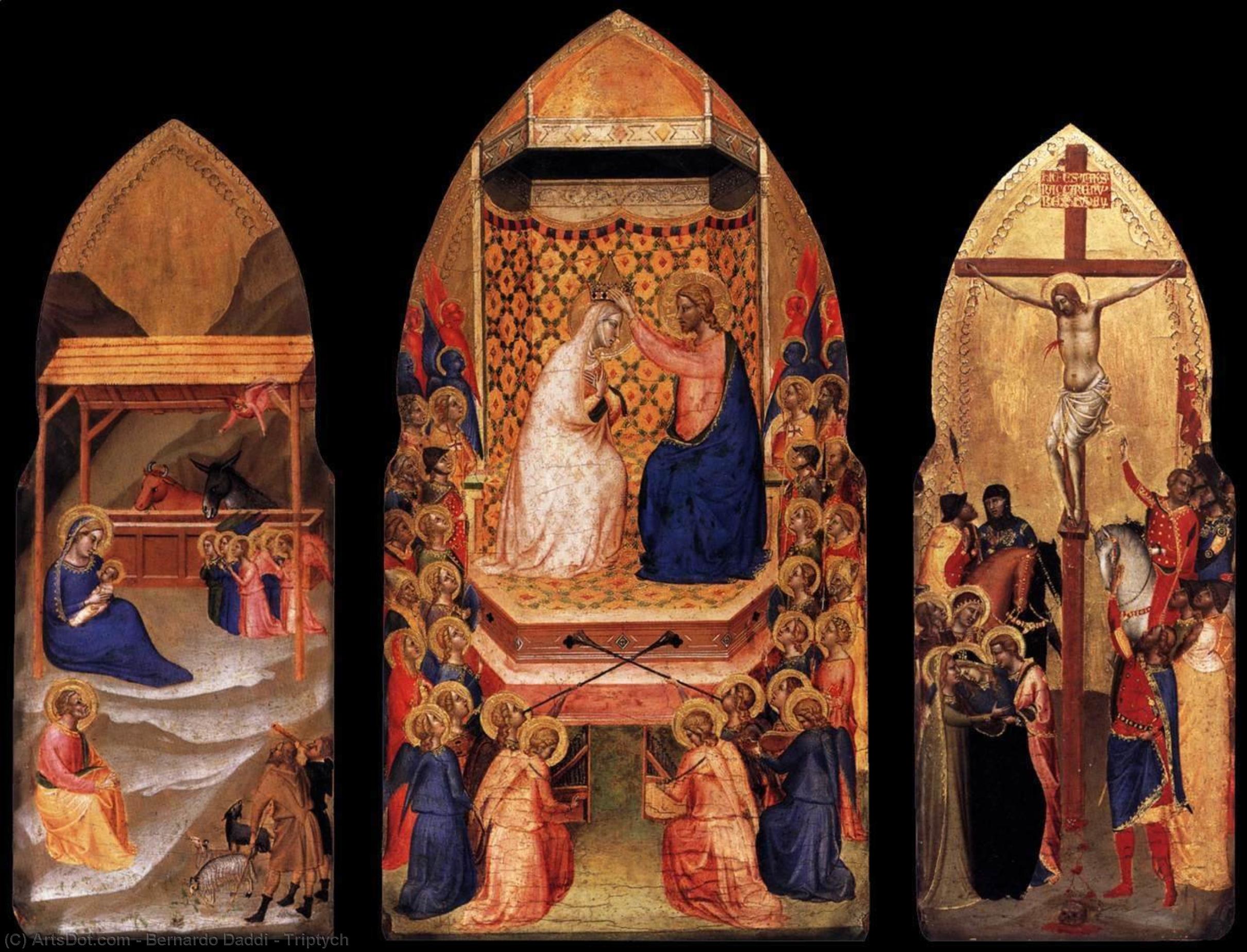
Triptych
 Acrylic On Canvas
- WallArt
- Italian Renaissance
 1338
1338 42.0 x 22.0 cm
 国立博物館群
 詳細を見る
詳細を見る
ジークレー/アートプリント
迅速な制作と多彩な仕上げオプションを備えた、ミュージアムクオリティのジークレーまたはキャンバスプリント。 ( 手描きの絵画を購入 画像を購入)




P118B $10

P118H $10

P118W $10

P438Z $10

P508JH $12

P508YH $12

P805H $10

P805Z $10

P919BZ $10

P919G $10

P919XJ $10

P959ZH $10

P968JZ $12

W106C $8

W218G $10

W218JH $8

W218Y $10

W307PJ $10

W316G $10

W316PJ $8

W316Y $10

W398PJ $8

W4111J $10

W500HY $15

W500JH $15

W692G $12

W849H $8

W940BG $15

W953PJ $8




作品のオリジナル比率に合わせた、当店の規定サイズからお選びください。

特定のフレームやスペースに合わせて、ご自身でサイズを指定することも可能です。選択されたサイズが元の画像の比率と一致しない場合、作品をトリミングするか、鏡面反射または単色での塗りつぶしによって画像を拡張いたします。制作を開始する前に、ご確認用のデジタルモックアップをお送りいたします。
画面上のプレビューには、実際のトリミングや拡張は反映されませんのでご注意ください。最終的な構図を正確に確認できるのは、モックアップのみとなります。
カスタムサイズも承っておりますが、元の比率を維持するためには、あらかじめ用意されたリストからサイズを選択することをお勧めいたします。


 ガラスオプションは、110cm未満のサイズでのみご利用いただけます。

Triptych
ジークレー/アートプリント
複製画のサイズ
-


合計金額
$ 62
作品詳細説明
Bernardo Daddi: Bridging Gothic and Renaissance in Florence
Bernardo Daddi, born around 1290 in Florence and passing away in 1348, stands as a pivotal figure in the transition from the late Gothic to the burgeoning Italian Renaissance. He wasn’t a revolutionary iconoclast shattering established conventions overnight, but rather a master craftsman who subtly yet profoundly shifted the artistic landscape of his time, particularly within the vibrant city of Florence. Often described as “the leading painter” of Florence during his generation, Daddi's legacy lies not in radical departures, but in a measured evolution—a careful refinement of existing techniques and a dedication to realism that marked a crucial step toward the humanist ideals of the Renaissance. His influence extended far beyond mere stylistic preference; he fostered an environment where innovation flourished while honoring tradition, shaping the artistic sensibilities of his era and cementing his place as one of Florence’s most celebrated artists. Early Life and Artistic Roots Daddi’s precise birthdate remains shrouded in some mystery, though records indicate he was first mentioned in 1312. He began his artistic journey under the tutelage of Giotto di Bondone, who is credited with introducing a more naturalist style, expression and sense of volume into Italian painting—a departure from the stylized forms prevalent in preceding Gothic art. This formative influence instilled in Daddi a profound appreciation for observation and detail, shaping his approach to portraying human figures and landscapes alike. He honed his skills within Giotto’s workshop alongside Lorenzo Monaco and Simone Martini, absorbing their stylistic sensibilities and mastering the techniques of tempera on panel—a medium favored by Florentine artists during this period. The Triptych: A Synthesis of Tradition and Innovation This magnificent triptych, completed in 1338, exemplifies Daddi’s masterful synthesis of Gothic and Renaissance aesthetics. Commissioned for a private chapel, it represents the life of Mary—a subject deeply resonant with religious symbolism—and showcases Daddi's unparalleled ability to convey emotion and spiritual contemplation. The central panel depicts Mary enthroned amidst saints, bathed in luminous gold leaf – a technique borrowed from Byzantine iconography but adapted with Florentine precision. Delicate drapery folds and subtle shading imbue the figures with palpable volume and realism, reflecting Daddi’s commitment to humanist principles championed by artists like Brunelleschi and Donatello. The surrounding panels depict Mary as a young woman being crowned by angels—a scene imbued with serene beauty and conveying the Virgin's divine grace—and culminates in an image of Mary giving birth to Jesus—a depiction marked by tenderness and conveying the profound miracle at the heart of Christian faith. A Workshop of Excellence: Shaping Florentine Artistic Culture Daddi’s workshop was renowned for its prolific output of small devotional tabernacles – exquisitely crafted shrines designed to house relics and inspire piety. These works stand as testament to Daddi's pedagogical influence, nurturing a cohort of talented artists who would go on to contribute significantly to the artistic achievements of Florence during the Renaissance. His meticulous attention to detail, combined with his unwavering dedication to capturing the essence of human emotion—a hallmark of humanist art—established him as a cornerstone of Florentine artistic culture and ensured that his legacy endured for centuries to come. Symbolism and Emotional Impact The triptych’s pervasive use of gold leaf serves not merely as decorative embellishment but symbolizes divine illumination and holiness, reflecting the spiritual aspirations of its patrons. The carefully orchestrated composition—characterized by balanced symmetry and harmonious color palettes—creates a contemplative atmosphere that invites viewers to engage in profound reflection on themes of motherhood, faith, and redemption. Bernardo Daddi’s masterpiece transcends mere visual representation; it communicates an enduring message of compassion, grace, and spiritual transcendence – qualities that continue to resonate with audiences today.関連作品


アーティストの略歴
ベルナルド・ダッディ:フィレンツェにおけるゴシックとルネサンスの架け橋
1290年頃にフィレンツェで生まれ、1348年にその生涯を閉じたベルナルド・ダッディは、後期ゴシックから胎動するイタリア・ルネサンスへと移り変わる時代における極めて重要な人物です。彼は、既存の慣習を一晩で打ち砕くような革命的な偶像破壊者ではありませんでした。むしろ、洗練された熟練の職人として、当時の芸術的風景、特に活気あふれるフィレンプリツェの街において、繊細かつ深遠な変化をもたらしたのです。同世代のフィレンツェにおける「筆頭画家」としばしば称されるダッディの遺産は、急進的な断絶にあるのではなく、着実な進化の中にあります。それは既存の技法の入念な洗練であり、ルネサンスの人文主義的理想へと向かう決定的な一歩となった写実性への献身でもありました。初期の生涯と芸術の源流
ダッディの正確な生年月日は今なお謎に包まれていますが、記録によれば1312年にはすでにその名が登場しています。彼の芸術的な旅路は、この時代で最も影響力のある画家の一人であるジョット・ディ・ボンドーネの指導の下で始まったと広く信じられています。自然主義と感情表現を重視したジョットの姿勢は、疑いようもなくダッディの初期様式を形作りました。彼の初期作品には、「サンタ・チェチリアの巨匠」をはじめとするジョットの追随者たちや、14世紀第1四半期の他のフィレンツェの画家たちとの明確な繋がりが見て取れ、芸術的な系譜が直接的に受け継がれていることが分かります。これらの初期作品は、ゴシックの伝統に共通する技法を用いながらも、後のキャリアを決定づけることになる、芽生え始めた写実性を予感させる様式的な忠実さを備えています。この時期特有の緻密なディテールと鮮やかな色彩は、確立された慣習への強い基盤を示唆すると同時に、人間の形態や感情を描き出そうとする新たな感性の現れでもありました。写実主義と持ち運び可能な祭壇画が定義する様式
ダッディの芸術様式は、ゴシック美術に蔓延していた様式化され、しばしば高度に象徴的なイメージからの重要な脱却を象徴しています。彼は、ルネサンスの核心的な教義である、より正確で信憑性のある現実の表現を追求しました。この転換は、特に小規模な作品において顕著であり、質感や衣のひだ、そして表情を驚くほど細部まで巧みに描き出しています。極めて重要な点として、ダッディは「持ち運び可能な祭壇画(ポルタブル・アルターピース)」という形式を普及させる上で主導的な役割を果たしました。教会や礼拝堂に飾るために設計されたこれらの多翼祭壇画は、伝統的な壁画よりも豊かな物語性と視覚的な深みをもたらすことを可能にしたのです。マゾ・ディ・バンコの影響を受けたダッディの後期の様式には、さらなる洗練が見られ、学術的な精密さを秘めた繊細な優雅さが漂っています。この叙情的な美しさと技術的な熟練の融合こそが、彼の作品を際立たせ、フィレンツェを代表する画家としての地位を確固たるものにしたのです。著名な作品と美術館のコレクション
ベルナルド・ダッディの芸術的成果は、世界で最も権威ある美術館のコレクションに消えることのない足跡を残しています。フィレンツェのウフィツィ美術館には、1328年の重要な三連祭壇画が収蔵されており、彼の構成力と物語的な表現力を垣間見ることができます。同様に素晴らしいのは、ヴァチカン美術館に所蔵されている「聖ステファノの殉教」です。これは1345年頃に描かれた8枚のパネルからなるプレデッラ(祭壇画の下部飾り)です。これらの象徴的な作品にとどまらず、ダッディの影響はナショナル・ギャラリーやウォルターズ・アート・ミュージアムなど、各地の機関に点在する数多くの作品に見ることができます。例えば、彼の「行列の十字架」は、比較的小さな形式の中に動きと細部を捉える能力を見事に体現しています。また、コートールド美術研究所には「聖母戴冠」のパネルがいくつか保管されており、宗教的な人物とその周囲の情景を描き出す彼の卓越した技量を示しています。影響と不朽の遺産
ダッディの芸術的発展は、単にジョットの教えに根ざしていただけではありません。彼は、市民的美徳と自然主義的な表現を重視した、シエナ派のロレンツェッティからも影響を受けていました。その美学は、ダッディ自身の審美眼と共鳴したのです。彼の最後の知られた作品は1347年に遡り、悲しいことに、彼はその直後に亡くなりました。一部の批評家からは、工房による多作ゆえか「学術的で機械的な硬さ」が指摘されることもありますが、ダッディの叙情的な優雅さと技術的な卓越性は、彼の不朽の遺産を確かなものにしました。彼はゴシックという過去と、誕生したばかりのルネサンスとの間の溝を埋め、フィレンツェの視覚言語を形作り、今日でも見る者を魅了し続ける作品群を遺しました。持ち運び可能な祭壇画の発展への貢献と、写実的な描写への献身は、後の世代のイタリア人芸術家たちのための礎となったのです。役立つリソース
- フィレンツェ、ロッジア・デル・ビガッロ:
アルノルディやダッディの作品を含む、コンパニア・デル・ビガッロによる14世紀の芸術と歴史的遺物を探索しましょう。フィレンツェの類まれな宝石です! - ベルナルド・ダッディ - 게티 미술관:
ゲティ・センターおよびゲティ・ヴィラにあるJ・ポール・ゲティ美術館のコレクションを探索しましょう。 - ベルナルド・ダッディ - Wikipedia:
彼の生涯、作品、そして影響についてWikipediaでさらに詳しく知ることができます。

ベルナルド・ダッディ
1290 - 1348 , イタリア
基本情報
- Artistic Movement Or Style: 初期ルネサンス
- Artists Or Movements Influenced By This Artist: ['マゾ・ディ・バンコ']
- Artists Who Influenced This Artist: ['ジョット']
- Date Of Birth: 1290年
- Date Of Death: 1348年
- Full Name: ベルナルド・ダッディ
- Nationality: イタリア
- Notable Artworks:
- 聖母子
- 聖ステファノの殉教
- オニサンティ祭壇画
- Place Of Birth: イタリア、フィレンツェ
関連記事

High Medieval Art: 10 Masterpieces That Shaped an Era | ArtsDot
Journey through High Medieval Art! Explore 10 iconic masterpieces – from Giotto's frescoes to stunning Gothic cathedrals. Discover the stories behind these timeless paintings, sculptures & illuminated manuscripts. Find museum-quality art reproductions at ArtsDot.com.

ウフィツィ美術館の至宝25選:ルネサンス巨匠たちの傑作とアートデコレーション
ウフィツィ美術館の至宝25選:ボッティチェリ、レオナルド・ダ・ヴィンチ…ルネサンス巨匠たちの傑作と感動的な物語を紐解きます。高品質な絵画複製やアートプリントで、お部屋に名画の輝きを。ArtsDot.comで芸術の世界へ。

Late Medieval Masterpieces: 10 Artworks That Defined an Era | ArtsDot
Journey through 10 defining Late Medieval masterpieces – from Giotto's frescoes to Jan van Eyck’s realism. Explore the stories, techniques & vibrant colors of Gothic art. Find museum-quality reproductions and elevate your home decor with ArtsDot.com! Discover all masterpieces on ArtsDot.com

ジョット・ディ・ボンドーネ:至高の25選 - ルネサンスの夜明けを彩る傑作たち | ArtsDot
ジョット・ディ・ボンドーネの至高の25選。ルネサンス美術を牽引した巨匠の傑作と、その感動的な物語を紐解きます。高品質な絵画複製やインテリアアートで、名画の世界をあなたの空間に。ArtsDot.com でコレクションをご覧ください。
Civic Virtue and Artistic Rivalry: Patronage and Innovation in the Italian Renaissance Republics, 1400–1600
Explore the Italian Renaissance! Discover how competitive patronage & humanist ideals fueled artistic innovation in republics like Florence & Venice. Expert insights for art lovers and collectors.

