

 設置イメージを表示
 シェアする
シェアする シェアする
シェアする
 詳細を見る
詳細を見る ガイドを表示

 ダウンロード
 似ている作品
 X線調査
X線調査 スライドショーを表示
 Q&A
Q&A 統計情報
統計情報Classical Landscape with Ruins

- 21.0 x 21.0 cm


 詳細を表示
詳細を表示
ジークレー/アートプリント
スピーディーな制作と多彩な仕上げオプションが魅力の、ミュージアムクオリティなジークレー・キャンバスプリント。 ( 手描き複製画を注文する デジタル画像販売へ切り替え)




P118B ¥10

P118H ¥10

P118W ¥10

P438Z ¥10

P508JH ¥12

P508YH ¥12

P805H ¥10

P805Z ¥10

P919BZ ¥10

P919G ¥10

P919XJ ¥10

P959ZH ¥10

P968JZ ¥12

W106C ¥8

W218G ¥10

W218JH ¥8

W218Y ¥10

W307PJ ¥10

W316G ¥10

W316PJ ¥8

W316Y ¥10

W398PJ ¥8

W4111J ¥10

W500HY ¥15

W500JH ¥15

W692G ¥12

W849H ¥8

W940BG ¥15

W953PJ ¥8




作品のオリジナル比率に合わせた、当店の規定サイズからお選びください。

額縁や壁のスペースに合わせて、ご希望の幅と高さを入力してください。プリントはカットすることは可能ですが、元の画像より大きくすることはできないため、異なる比率のサイズを選択された場合は、画像の一部が欠けることになります。印刷を開始する前に、内容を確認していただくためのデジタルモックアップをお送りいたします。このページに表示されている画像は、実際のカット後の状態を示すものではありません。実際の仕上がりはモックアップにてご確認ください。


 ガラスオプションは、110cm未満のサイズでのみご利用いただけます。

Classical Landscape with Ruins
ジークレー/アートプリント
複製画サイズ一覧
-


合計金額
¥ 9963
A Vision of Roman Decay: The Melancholy Beauty of Breenbergh
In the quiet corners of the Fitzwilliam Museum, there exists a window into a lost era—a watercolor titled Classical Landscape with Ruins by the Dutch master Bartholomeus Breenbergh. Created around 1629, this delicate work is far more than a mere topographical record; it is a profound meditation on the passage of time and the inevitable triumph of nature over human ambition. As one gazes upon the crumbling stone structures in the foreground, there is an immediate sense of the sublime—that intoxicating mixture of awe and terror that comes from witnessing the slow, relentless decay of once-great civilizations. Breenbergh captures a moment where the grandeur of Rome meets the quiet persistence of the earth, inviting the viewer to contemplate their own place within the vast, cyclical rhythm of history.
The composition is masterfully orchestrated to lead the eye through a narrative of light and shadow. In the foreground, the skeletal remains of classical architecture serve as a poignant memento mori, while life continues in its humble, unbothered forms around them. Two figures wander near the ruins, perhaps travelers or shepherds lost in thought, their small scale emphasizing the monumental weight of the past. Scattered throughout this pastoral scene are the gentle rhythms of rural life: cows and sheep graze peacefully, a horse rests in the mid-ground, and a solitary bird drifts through the sky. Even the presence of a tranquil body of water near the right edge of the frame adds a layer of reflective stillness, mirroring the contemplative mood that permeates the entire landscape.
The Alchemy of Light and Italianate Grace
Technically, Breenbergh departs from the rigid, microscopic realism often associated with his Dutch contemporaries. Instead, he embraces an Italianate sensibility, characterized by a soft, atmospheric perspective that breathes life into the paper. His brushwork is loose and expressive, eschewing sharp outlines in favor of luminous transitions. Light is the true protagonist of this piece; shafts of sunlight pierce through the architectural debris, illuminating patches of verdant foliage and casting long, dramatic shadows that stretch across the terrain. This manipulation of light creates a sense of depth and drama, pulling the viewer into a world where the air feels heavy with humidity and history.
The color palette is a sophisticated study in muted elegance. Dominated by earthy browns, deep ochres, and mossy greens, the painting evokes the feeling of an ancient, sun-drenched landscape. Yet, Breenbergh punctuates these somber tones with subtle splashes of crimson and gold, reminiscent of the dramatic chiaroscuro found in the works of Caravaggio. For the discerning collector or interior designer, this piece offers a remarkable versatility. Its tonal depth and classical subject matter allow it to serve as a sophisticated focal point in a traditional study, a serene anchor in a contemporary minimalist space, or a soulful addition to a gallery wall dedicated to the Golden Age of painting.
An Eternal Echo for the Modern Collector
To possess a reproduction of this work is to bring a piece of the 17th-century soul into the modern home. Breenbergh’s ability to weave together the architectural ghosts of antiquity with the living, breathing pulse of nature creates an emotional resonance that transcends centuries. The painting does not merely depict a scene; it evokes a feeling of nostalgia for a greatness we can no longer touch, yet still deeply admire. It is an invitation to slow down, to observe the play of light upon stone, and to find beauty in the ephemeral. Whether you are drawn to its historical significance, its masterful use of atmospheric perspective, or its quiet, melancholic grace, this artwork remains a timeless testament to the enduring power of the classical spirit.
Q&A
学生向けのバルトロメウス・ブリーレンブルフ作「Classical Landscape with Ruins」に関するファクトシートはありますか?
「Classical Landscape with Ruins」のガイドは、作品の解説資料ページです。このページは印刷可能なファクトシートとなっており、作品のキャプション、クレジット、および詳細情報(作家名、制作年、技法、原寸大、所蔵)をまとめてご確認いただけます。
「Classical Landscape with Ruins」は、バルトロメウス・ブリーレンブルフが繰り返し描いてきた主題の中でどのような位置を占めているのでしょうか?
バルトロメウス・ブリーレンブルフの作品に繰り返し現れるテーマにはitalianate style, baroque legacy, religious faith, moral reflection, roman decay, pastoral vision, landscape narrative, dramatic flairがありますが、「Classical Landscape with Ruins」ではlandscape, ruins, classical art, religious scene, roman influence, dutch golden age, pastoral imagery, biblical narrativeに焦点を当てています。
注文前にバルトロメウス・ブリーレンブルフ作「Classical Landscape with Ruins」をプレビューすることはできますか?
バルトロメウス・ブリーレンブルフ作「Classical Landscape with Ruins」の複製画をプレビューするには、作品の設置イメージページを開いてください。
関連作品


作家プロフィール
初期の生涯と形成
オランダ黄金時代における極めて重要な人物、バルタザール・ブレーンベルフの物語は、どこか神秘的な霧に包まれて始まります。1598年11月13日より前に、おそらくオランダのデベンターで生まれた彼の幼少期については、記録が乏しく謎に満ちています。若きブレーンベルフの人生に大きな転機が訪れたのは、1607年に父を亡くしたことでした。これにより家族はホールンへと移住することになります。活気あふれる港町であったこの地で、彼は初めて芸術の世界と出会いました。ジャック・ワベンと同時代を生き、当時のアムステルダムで活動していた無名の風景画家の一人から初期の修行を積んだのです。その後、ピーテル・ラストマンやヤコブ・シモンズ・ピナスといった巨匠たちの指導を受けることで、将来の芸術的探求の礎が築かれました。これらの初期の経験は、彼の成熟したスタイル、特にラストマン譲りの劇的な物語性へと、密かに、しかし確実に織り込まれていくことになります。ローマ滞在とイタリア風様式
1619年、ブレーレムベルフは自らの芸術的ビジョンを決定づけることになる、変革の旅へとローマへ向かいました。約11年もの間、彼は活気あるローマの芸術シーンに身を投じ、フランドルの画家フラン・ファン・デ・カステールと交流を深めるとともに、パウル・ブリルの放つ光り輝く風景画の魔法に魅了されました。この時期、ブレーンベルフは自身の代名詞とも言える「イタリア風様式」を確立し始めます。それは、温かな黄金色の光に包まれたローマ近郊のカンプニャ地方を、理想化して描き出す手法でした。彼は田園地帯に点在する古典的な遺跡を鋭い眼差しで観察し、それらを構図の中に組み込むことで、時代を超越した美しさと哀愁漂う壮大さを表現しました。彼の作品は次第にコルネリス・ファン・プーレンブルフの作風と共鳴するようになり、時には両者の絵画を見分けることが困難なほどでした。この様式の受容は単なる審美的な選択ではなく、古典古代への憧憬とイタリアの風景が持つ魅力に沸き立つ、当時のヨーロッパ全体の熱狂を反映していたのです。また、彼はローマに集まったオランダ・フランドル人画家たちの集団「ベントヴフェールス」の創設メンバーの一人となり、その賑やかな仲間意識と風刺的なニックネームでも知られるようになりました。ブレーンベルフ自身も、「het fret(フェレット)」という愛称で呼ばれていたのです。アムステルダムへの帰還と芸術的成熟
1630年頃、ブレーンベルフはローマでの歳月を経て磨き上げた芸術的感性を携え、アムステルダムへと戻りました。彼は瞬く間に需要の高い画家としての地位を確立し、1633年には結婚を果たし、さらにはイギリス国王チャールズ1世から年金を受け取るほどにまでその名声を高めました。しかし、彼の創作は単なる風景画の枠を超え、さらなる進化を遂げ始めます。再びピーテル・ラストマンらの影響を受け、イタリア風の風景の中に神話や聖書の登場人物を融合させ始めたのです。これにより、視覚的な美しさと豊かな物語性を兼ね備えた情景が誕生しました。北欧的な物語性と南欧的な風景の融合は、表情豊かな人物像と劇的な光の効果を特徴とする、記念碑的なスタイルを生み出しました。ブレーンベルフが正式に弟子として受け入れたのは、1640年代に彼に学んだヤン・デ・ビスチョップただ一人でしたが、その影響力はヤン・リンセン、シピオーネ・コンパーニョ、ラウレンス・バラタ、チャールズ・コルネリス・デ・ホーホといった、より広い芸術家たちの輪へと広がっていきました。遺産と歴史的重要路
バルタザール・ブレーンベルフがオランダ黄金時代の絵画に果たした貢献は、北欧の芸術伝統の中に「イタリア風風景画」という様式を確立させた先駆的な役割にあります。彼は、ピーテル・ラストマン、ニコラエス・モイエアト、パウル・ブリル、そしてコルネリス・ファン・プテレンブルフといった様々な影響を見事に統合し、唯一無二の、識別可能な芸術的語り口を築き上げました。古典的な遺跡、理想化された風景、そして説得力のある物語をシームレスに融合させる彼の才能は、観る者を虜にし、後世の風景画家たちにインスピレーションを与え続けました。彼は初期のオランダの巨匠たちと、後のより洗練されたクロード・ロランのような画家たちの架け橋となり、北欧芸術におけるイタリア風景への新たな評価への道を開いたのです。ブレーンベルフの作品は、古典古代の描写や理想化された風景を普及させる一助となり、当時の美意識を形作り、風景画の歴史に消えることのない足跡を残しました。彼の絵画は今日においてもなお人々の心に響き続け、神話、宗教、そして自然が調和のとれた美しさの中で交差する世界を、私たちに垣間見せてくれるのです。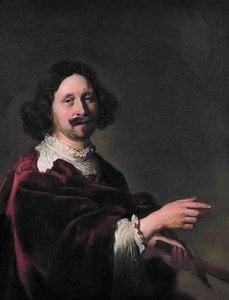
バルトロメウス・ブリーレンブルフ
1598 - 1657 , オランダ
プロフィール概要
- Artistic Movement Or Style: イタリア風風景画
- Artists Or Movements Influenced By This Artist:
- ヤン・リンセン
- クロード・ロラン
- Artists Who Influenced This Artist:
- ピーテル・ラストマン
- ポール・ブリル
- コルネリス・ファン・ポレンブルフ
- Date Of Birth: 1598年11月13日以前
- Date Of Death: 1657年10月3日以降
- Full Name: バルトロメウス・ブリーレンベルフ
- Nationality: オランダ
- Notable Artworks:
- 天使と戦うヤコブ
- 東方三博士の礼拝
- 洗礼者ヨハネの説教
- Place Of Birth: オランダ、デベンター
関連記事

Golden Light & Dutch Skies: Bringing the Magic of Dutch Golden Age Landscapes into Your Home
Transform your home with the breathtaking light of Dutch Golden Age landscapes. Discover how hand-painted oil reproductions of masterworks like Ruisdael and Vermeer bring timeless elegance, atmosphere, and soulful texture to modern interiors. Elevate your space with museum-quality art.

黄金世紀の巨匠たち:バロック絵画が彩る10選|ArtsDot
オランダ黄金時代の10大傑作を紐解く!レンブラント、フェルメール…バロック絵画の魅力と時代背景を深く探求。ArtsDotで、至高のアートコレクションと空間演出のヒントを見つけよう。高品質なアートプリントで、お部屋を華やかに。
Nicolaes Berchem: Dutch Golden Age Pastoralism & the Evolution of Landscape Painting
Explore the captivating world of Nicolaes Berchem, a leading Dutch Golden Age painter. Discover his idyllic landscapes, masterful technique & lasting influence on art history. Learn more at ArtsDot.

Charles Leickert: Capturing the Dutch Golden Age Light – A Comprehensive Study of Technique, Context, and Legacy
Explore the captivating winter landscapes of Charles Leickert, a master of Dutch Golden Age light & atmosphere. Discover his techniques, symbolism, and lasting legacy – a comprehensive study for art enthusiasts and collectors.

Golden Age Reflections: Dutch Baroque Painting & Cultural Innovation
Explore the Dutch Golden Age of painting! Discover key artists like Vermeer & ter Borch, their innovative techniques, and the rich cultural context behind these Baroque masterpieces. Learn about collecting & appreciating this iconic art period.