


 送る
送る シェア
シェア
 詳細情報
詳細情報 ガイドを表示

 画像をダウンロード
 似ている作品
 スライドショー
 統計情報
統計情報Rhythmic Form


 続きを読む
続きを読む
このページに掲載されている作品は著作権法によって保護されており、当社の許可なく同一の複製物を制作または販売することは法律で禁じられています。この保護は、以下のような国際条約に基づき執行されます。 ベルヌ条約 および、以下の条項に定められたものを含む各国の法律により、 米国著作権法 第17編。
この手法は、著作権で保護された作品の複製や複写を伴わないため、著作権法に完全に準拠しています。これは単なる模倣ではなく、創造的な再解釈です。元の作品からインスピレーションを受けつつも、それとは異なる、全く新しい絵画を生み出すものです。
ジークレー/アートプリント
スピーディーな制作と多彩な仕上げオプションが魅力の、ミュージアムクオリティなジークレー・キャンバスプリント。 ( 手描きの複製画を注文する デジタル画像販売へ切り替え)




































作品のオリジナル比率に合わせた、当店の規定サイズからお選びください。

額縁や壁のスペースに合わせて、ご希望の幅と高さを入力してください。プリントはカットすることは可能ですが、元の画像より大きくすることはできないため、異なる比率のサイズを選択された場合は、画像の一部が欠けることになります。印刷を開始する前に、内容を確認していただくためのデジタルモックアップをお送りいたします。このページに表示されている画像は、実際のカット後の状態を示すものではありません。実際の仕上がりはモックアップにてご確認ください。


 ガラスオプションは、110cm未満のサイズでのみご利用いただけます。

Rhythmic Form
ジークレー/アートプリント
複製画サイズ一覧
-


合計金額
¥ 9839
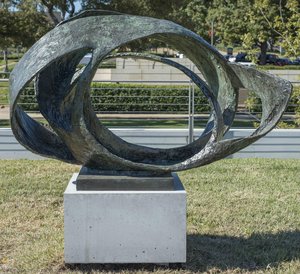
Rhythmic Form: A Dialogue Between Space and Spirit
Barbara Hepworth’s “Rhythmic Form,” created in 1949, stands as a testament to the profound influence of Surrealist ideas on British sculpture during World War II. More than just an aesthetically pleasing object, it embodies Hepworth's unwavering belief that sculpture could translate thought into tangible form—a conviction deeply rooted in her engagement with artists like Arp and Brancusi who championed direct carving and explored the relationship between art and nature. The piece itself is a striking example of Hepworth’s signature style: monumental forms sculpted from wood, meticulously shaped to evoke movement and resonance. Its central hole isn't merely an incision; it’s a deliberate gesture that seeks to unify opposing forces—a visual metaphor for Hepworth’s exploration of duality and balance within the creative process.- Material & Technique: Crafted from Rosewood, “Rhythmic Form” utilizes a technique honed during Hepworth's formative years in Paris – a method characterized by careful consideration of material properties and an intuitive understanding of how form interacts with space. The sculptor’s hand meticulously removes wood shavings to reveal the underlying structure, resulting in a surface that is both smooth and subtly textured.
- Historical Context: Hepworth's work emerged from a period marked by significant artistic experimentation and intellectual ferment. The Unit One group—which included Nicholson, Gabo, and Nash—challenged conventional sculptural approaches, prioritizing abstraction and responding to the anxieties of wartime Britain with an embrace of geometric forms and organic shapes.
- Symbolism & Inspiration: Hepworth drew inspiration from Neolithic Menhirs – monolithic stones erected as memorials to ancient rituals – recognizing their ability to convey timelessness and spiritual significance. She likened her sculptures to these stones, emphasizing the desire for them to “furnish a means of egress for the soul,” reflecting her belief in sculpture’s capacity to transcend mere visual representation.
- Hepworth's Philosophy: Hepworth famously described sculpture as "the plastic projection of thought," highlighting its role in capturing intangible ideas and emotions. She insisted that the work should “put no pressure on anything,” signifying a rejection of didacticism and an affirmation of art’s autonomy—a stance that aligns with her broader philosophical commitment to embracing spontaneity and responding authentically to the material at hand.
- Legacy & Influence: Hepworth's pioneering approach to sculpture continues to inspire artists today, particularly those interested in exploring spatial relationships and investigating the interplay between form and gesture. Her enduring impact is evident in the work of subsequent sculptors who adopted similar techniques and pursued similar conceptual concerns—a legacy cemented by her inclusion in Tate’s collection and celebrated as a cornerstone of British Modernism.
よくあるご質問
「Rhythmic Form」の色は、どの程度の光を反射しているように見えますか?
「Rhythmic Form」の色調は、Luminousの輝度を示しています。
バーバラ・ヘップワース作「Rhythmic Form」は、何年に制作されましたか?
バーバラ・ヘップワース作「Rhythmic Form」の制作年は1949年です。
私の部屋には、"Rhythmic Form" のどのプリントサイズが適していますか?
Living Roomでは、Rhythmic FormはLargeのプリントサイズでの展示をおすすめします。
関連作品



アーティストについて
生い立ちと教育
バーバラ・ヘプワース卿は、イギリスの彫刻家および芸術家としてその名を馳せた人物であり、1903年1月10日、ヨークシャーのウェイクフィールドに生を受けました。彼女の芸術への道は、1920年にリーズ・スクール・オブ・アートに入学したことから始まり、その後、郡の奨学金を得てロンドンのロイヤル・カレッジ・オブ・アート(RCA)へと進みました。1921年から学びを深め、1924年には見事にディプロマを授与されました。芸術的キャリア
- バーバラ・ヘプワース卿の作品は、モダニズム、とりわけ近代彫刻の真髄を体現しています。彼女は、国際的な名声を手にした数少ない女性芸術家の一人でした。
- 1933年、彼女はベン・ニッコールやポール・ナッシュらと共に「ユニット・ワン」という芸術運動を共同設立しました。これは、イギリスの芸術界においてシュルレアリスムと抽象表現を融合させることを目的とした挑戦的な試みでした。
- ヘプワースの初期の作品は、抽象的な性質を特徴としており、パリを拠点とする芸術運動「アブストラクション・クレアシオン」への関わりも、彼女の作風形成に大きな影響を与えました。
代表作と展覧会
- ブロンズ彫刻である「Oval Form (Trezion)」は、アメリカ合衆国フォートワースにあるキンベル美術館のコレクションとして収蔵されています。(ArtsDotで詳細を見る)
- 彫刻作品である「Two Forms」は、イギリスのウェイクフィールドにあるヘプワース・ウェイクフィールドにて展示されています。(ArtsDotで詳細を見る)
- 大理石の彫刻である「Totem」もまた、ヘプワース・ウェイクフィールドのコレクションの一部を構成しています。(ArtsDotで詳細を見る)
遺産と美術館コレクション
バーバラ・ヘプワースの作品は世界的に高く評価されており、彼女の彫刻や絵画は、世界各地の様々な美術館のコレクションに組み込まれています。彼女の名を冠したヘプワース・ウェイクフィールドには、ヘプワース自身の傑作をはじめ、著名な芸術家たちによる数多くの名品が収蔵されています。(ヘプワース・ウェイクフィールドについて詳しくはこちら(ArtsDot))結び
バーバラ・ヘプワース卿が近代イギリス彫刻において切り拓いた先駆的な業績は、美術史に消えることのない足跡を残しました。彼女の遺志は、今なお多くの芸術家や愛好家たちにインスピレーションを与え続けており、その作品群は、彼女の革新的な精神と芸術的才能を物語る不朽の証として輝き続けています。 バーバラ・ヘプワースの詳細(Wikipedia)
バーバラ・ヘップワース
1903 - 1975 , イギリス
アーティスト情報
- Artistic Movement Or Style: モダニズム、抽象主義
- Artists Or Movements Influenced By This Artist:
- アブストラクション・クレアシオン
- ユニット・ワン
- Artists Who Influenced This Artist:
- ヘンリー・ムーア
- ベン・ニッコール
- Date Of Birth: 1903-01-10
- Date Of Death: 1975-05-20
- Full Name: バーバラ・ヘップワース
- Nationality: イギリス
- Notable Artworks:
- オーバル・フォーム (トレジオン)
- トゥー・フォームズ
- トーテム
- Place Of Birth: イギリス、ウェイクフィールド
関連記事

Kandinsky's Masterpieces: 25 Paintings That Define Abstract Art | ArtsDot
Journey through Wassily Kandinsky's 25 most iconic abstract paintings. Explore his revolutionary use of color, form & spiritual expressionism. Find museum-quality Kandinsky reproductions and elevate your home decor with ArtsDot.com. Discover all masterpieces on ArtsDot.com!

The Enduring Form: Exploring Themes & Techniques in Sculpture Across Historical Periods
Explore the rich history of sculpture from ancient masterpieces to contemporary innovations. Discover key techniques, influential artists & investment potential for discerning art collectors.

幾何学的抽象絵画を定義した傑作10選|アート、アーティスト、インテリア装飾
モンドリアン、マレーヴィチ…幾何学的抽象絵画を代表する傑作10選。各作品の背景や色彩構成、アーティストの情熱に迫ります。美術館品質の複製画はArtsDot.comで。オンラインでアートコレクションをご覧ください。

Bronze Sculptures That Defined Art History | ArtsDot
Journey through art history with our Top 10 bronze sculptures! Explore masterpieces by Rodin, Michelangelo & more. Discover stories behind iconic statues and find museum-quality reproductions for your home decor at ArtsDot.com.

Barbara Hepworth: A Sculptural Dialogue with Form, Space & the Human Condition
Explore the profound world of Barbara Hepworth's sculpture. Discover her artistic evolution, iconic forms, and lasting influence on modern art. A guide for collectors & enthusiasts.
