


 設置イメージを確認
 送る
送る シェア
シェア
 詳細情報
詳細情報 ガイドを表示

 画像をダウンロード
 似ている作品
 X線調査
X線調査 スライドショー
 統計情報
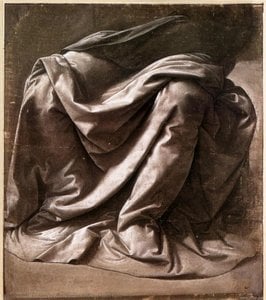
統計情報Flower Study
 1944
1944 70.0 x 57.0 cm
 続きを読む
続きを読む
オンラインプレビューをはるかに凌ぐ、高解像度で鮮明なデジタル画像をご購入いただけます。
各ファイルは、社内の専門家が高度なツールと熟練した手作業によるレタッチを駆使し、細心の注意を払って仕上げています。すべての画像において、卓越した鮮明度、正確な色彩再現性、そして繊細なディテールをお約束いたします。
最終ファイルは、プロフェッショナルな編集・印刷環境ですぐにご利用いただけるよう最適化された状態で、72時間以内にメールにてお届けいたします。これは、一流のデザインスタジオ、出版社、ギャラリーから信頼されているものと同等の品質です。
デジタル画像
個人での鑑賞、印刷、クリエイティブなプロジェクトにご利用いただける高解像度ファイルをダウンロードできます。 ( プリント版に切り替え 手描きの複製画を注文する)
デジタル画像のご注文に付随する特典
プロフェッショナルなデジタル配信を、確かな品質で。
ArtsDot.com を選ぶことは、単に画像を手に入れることではありません。プロの手によって精密に仕上げられ、満足保証が付いた高品質なデジタルアートワークを受け取ることを意味します。ご注文いただいた際に自動的に付随する内容は、以下の通りです:

メールですぐにお届け
ご注文から72時間以内に、高解像度のデジタル画像ファイルをメールでお送りいたします。お手元に届き次第、すぐにご利用いただけます。

AI技術で最適化されたデジタルファイル
お客様の作品は、高度なAI技術と専門家による手作業を組み合わせてプロフェッショナルに最適化されており、細部のディテール、鮮明さ、そして正確な色再現性を最大限に引き出しています。

一生涯無料の再送サービス
ファイルを誤って削除したり、紛失してしまったりしましたか?ご安心ください。いつでも無料で再送いたします。

輸入手数料は、いつでも一切かかりません
関税や手数料、配送料を気にすることなく、お気に入りのアートワークをすぐにお楽しみいただけます。デジタルダウンロードは常に免税です。

正確な色彩の保証
プロ仕様のツールとカラーマネジメント技術を用いることで、デジタル画像が元の色を最大限に忠実に再現することを保証いたします。

100日間満足保証
ご購入いただいたデジタル画像にご満足いただけない場合は、100日以内であれば、理由を問わず修正または100%の返金対応をさせていただきます。

100% 返金保証
ご満足いただけない場合は、デジタルファイルを受け取ってから100日以内であれば、理由を問わず全額返金いたします。

まとめ買い割引
3枚購入で10%OFF、5枚購入で15%OFF、10枚以上のご購入で20%OFF。クリエイティブなプロジェクトやギャラリー、エージェンシーに最適です。
Artist Background
Arthur Segal was a Romanian artist and author, born on July 23, 1875, in Iaşi, Romania. He studied at the Berlin Academy from 1892 and later in Paris and Italy in the early 1900s. After studying in Paris and Italy, he eventually moved to Berlin, where he became a prominent figure in the city's artistic scene. More information about Arthur Segal can be found on ArtsDot.com.Painting Style and Technique
The Flower Study painting showcases Arthur Segal's unique style and technique, characterized by the use of bold colors and delicate brushstrokes. The arrangement of the flowers in the vase creates a sense of movement and energy, drawing the viewer's eye to the center of the composition. This painting is a prime example of still life artwork, which was a popular genre during the 20th century.Similar Paintings
Other notable paintings that showcase similar styles and techniques include:- The Green Jug by Horace Copson, available on ArtsDot.com
- Abramtsevo. Wattle by Igor Emmanuilovich Grabar, available on ArtsDot.com
- March in Herefordshire by Trevor Makinson, available on ArtsDot.com
The Flower Study painting by Arthur Segal is a stunning example of 20th-century art, showcasing the artist's unique style and technique. With its bold colors and delicate brushstrokes, this painting is sure to captivate any art enthusiast. For more information about Arthur Segal and his artwork, visit ArtsDot.com.
よくあるご質問
「Flower Study」を手がけたアーティストは誰ですか?
「Flower Study」はArthur Segalの作品とされています。
「Flower Study」の色使いは、鮮やかでしょうか、それとも淡い感じでしょうか?
「Flower Study」の彩度はMonochromaticです。彩度とは、色の鮮やかさの度合いを表します。
1944年に「Flower Study」を制作した際、Arthur Segalは何歳でしたか?
1944年に「Flower Study」が制作された際、1875年生まれのArthur Segalは69歳でした。
関連作品



アーティスト・プロフィール
Arthur Segal: A Pioneer of Expression and Dada’s Shadow
Arthur Segal (1875 – 1944) stands as a compelling figure in the turbulent landscape of early 20th-century European art, a Romanian artist whose career unfolded across multiple continents and artistic movements. Born into a Jewish family in Iaşi, Romania, his journey was shaped by both personal tragedy—the loss of his wife—and profound political upheaval, culminating in exile during World War II. Initially influenced by the Impressionist and Neo-Impressionist aesthetics of his early training at the Berlin Academy, Segal’s artistic trajectory dramatically shifted towards Expressionism and Dadaism, forging a uniquely personal style characterized by raw emotion, fragmented forms, and a critical engagement with the modern world. His work wasn't merely decorative; it was a visceral response to the anxieties and uncertainties of an era on the brink of profound change.Early Years and Artistic Foundations
Segal’s formative years were spent in Romania, absorbing the artistic traditions of the region while simultaneously encountering the burgeoning avant-garde currents emanating from Berlin. His studies at the Academy of Art in Berlin provided a solid grounding in classical techniques, but it was his exposure to the works of artists like Schmid-Reutte and Hölzel that ignited his interest in exploring new modes of representation. A subsequent period in Paris and Italy allowed him to immerse himself in the vibrant artistic scene of the time, encountering the innovations of Post-Impressionism and early Modernism. Crucially, these experiences laid the groundwork for his later embrace of Expressionist principles, a shift that would fundamentally alter the course of his artistic development. The influence of German Expressionism is particularly evident in his woodcuts, many of which tackled themes of war and social injustice with a stark and uncompromising realism.Berlin’s Expressionist Circle and the Rise of Neue Sezession
The early 1900s marked a pivotal period for Segal as he established himself within Berlin's dynamic artistic community. He quickly became associated with two of the most influential groups of the era: Die Brucke (The Bridge) and Der Blaue Reiter (The Blue Rider). These circles, centered around artists like Wassily Kandinsky and Franz Marc, championed a radical departure from traditional academic art, prioritizing emotional expression and subjective experience. Segal’s participation in their exhibitions signaled his commitment to these ideals and solidified his position within the avant-garde. However, he soon sought to establish his own platform for artistic experimentation, co-founding the Neue Sezession (New Section) in 1910. This group, deliberately provocative, challenged the established norms of the Berliner Secession, advocating for a more diverse and experimental approach to artmaking. The rejection by the Berliner Secession underscored the growing tensions between traditional and avant-garde artistic sensibilities.Exile, Dadaism, and the Swiss Years
The outbreak of World War I forced Segal into exile, leading him and his family to Ascona, Switzerland, in 1914. This period proved transformative, exposing him to the radical ideas of Dadaism – a movement that questioned the very foundations of art and society through irony, absurdity, and anti-rationality. He became involved with the Zurich Dadaists, collaborating with figures like Hans Arp, Hugo Ball, and Leonhard Frank at the Cabaret Voltaire, a hub for experimental performance and artistic innovation. The Swiss experience provided a crucial space for Segal to develop his own unique visual language, characterized by fragmented forms, distorted perspectives, and a deliberate rejection of traditional beauty standards. It was during this time that he began to explore the possibilities of woodcut as a medium for expressing social commentary and political dissent.Return to Berlin, Bauhaus Rejection, and Final Years
Following the war, Segal returned to Berlin in 1920, establishing his own art school and continuing to engage with the city’s vibrant artistic scene. He was offered a teaching position at the Bauhaus in Dessau, a revolutionary institution dedicated to integrating art, craft, and technology, but he declined the opportunity, perhaps wary of the institution's increasingly rigid structure. The rise of Nazism ultimately forced him into exile again, this time to Palma, Majorca, and then London, where he continued to teach and exhibit his work until his death in 1944. Despite facing significant obstacles due to his Jewish heritage, Segal’s artistic legacy endures as a testament to the power of individual expression and the enduring relevance of his pioneering approach to modern art. His work remains a vital link between Expressionism, Dadaism, and the broader currents of 20th-century art history, offering a poignant reflection on the anxieties and uncertainties of a rapidly changing world.
Arthur Segal
1875 - 1944
略歴
- Full Name: Arthur Segal
- Nationality: Romanian
- Date Of Birth: 1875
- Date Of Death: 1944
- Place Of Birth: Iaşi, Romania
- Notable Artworks: ['Woodcuts (anti-war)']
- Artistic Movement Or Style:
- Expressionism
- Dadaism
- Artists Who Influenced This Artist:
- Schmid-Reutte
- Hölzel
- Artists Or Movements Influenced By This Artist:
- Die Brucke
- Der Blaue Reiter