

 プレビュー
プレビュー
 シェアする
シェアする シェアする
シェアする
 詳細を見る
詳細を見る

 ダウンロード
 似ている作品
 X線調査
X線調査 スライドショー
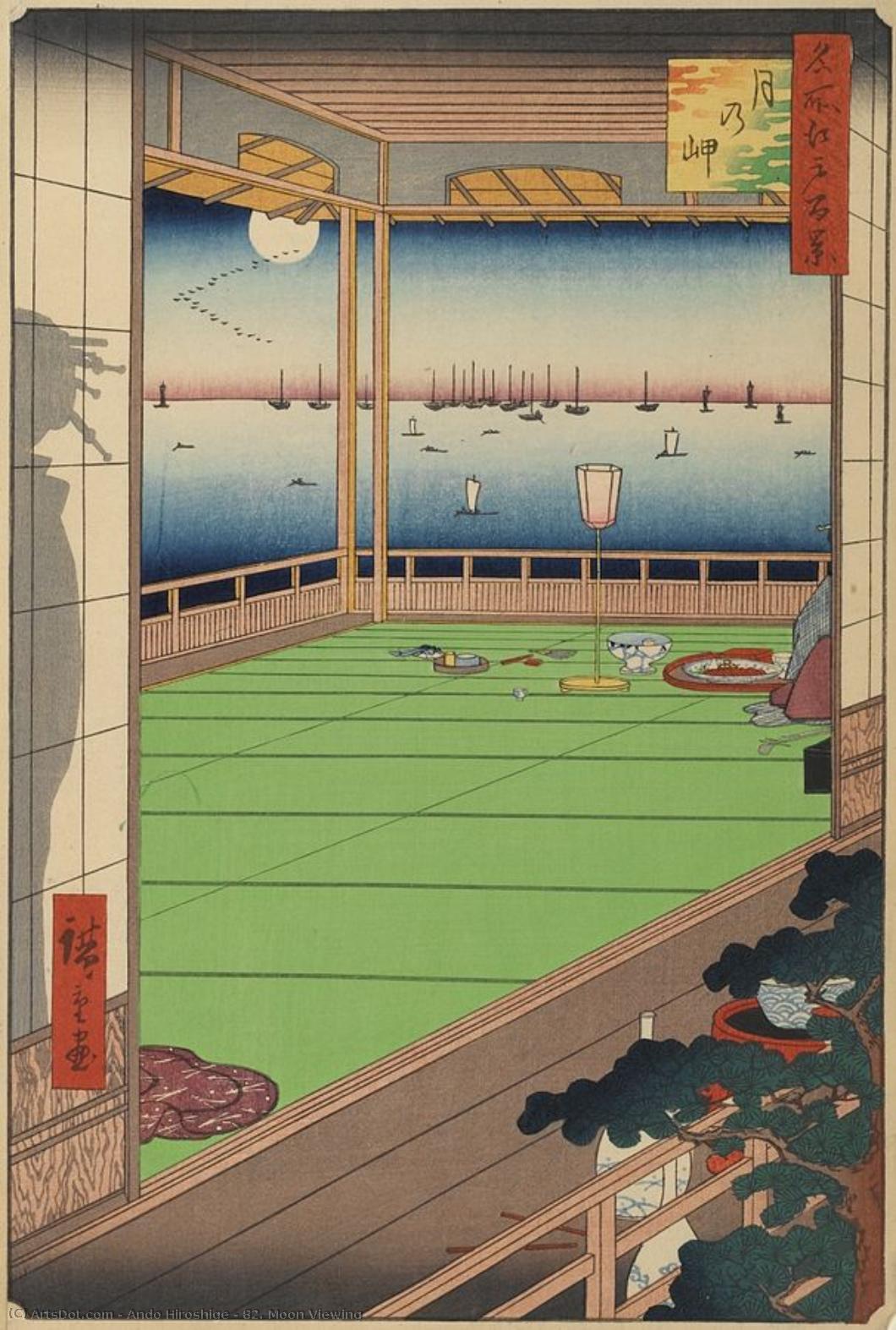
82. Moon Viewing


 詳細を見る
詳細を見る
ジークレー/アートプリント
迅速な制作と多彩な仕上げオプションを備えた、ミュージアムクオリティのジークレーまたはキャンバスプリント。 ( 手描きの絵画を購入 画像を購入)




P118B $10

P118H $10

P118W $10

P438Z $10

P508JH $12

P508YH $12

P805H $10

P805Z $10

P919BZ $10

P919G $10

P919XJ $10

P959ZH $10

P968JZ $12

W106C $8

W218G $10

W218JH $8

W218Y $10

W307PJ $10

W316G $10

W316PJ $8

W316Y $10

W398PJ $8

W4111J $10

W500HY $15

W500JH $15

W692G $12

W849H $8

W940BG $15

W953PJ $8




作品のオリジナル比率に合わせた、当店の規定サイズからお選びください。

特定のフレームやスペースに合わせて、ご自身でサイズを指定することも可能です。選択されたサイズが元の画像の比率と一致しない場合、作品をトリミングするか、鏡面反射または単色での塗りつぶしによって画像を拡張いたします。制作を開始する前に、ご確認用のデジタルモックアップをお送りいたします。
画面上のプレビューには、実際のトリミングや拡張は反映されませんのでご注意ください。最終的な構図を正確に確認できるのは、モックアップのみとなります。
カスタムサイズも承っておりますが、元の比率を維持するためには、あらかじめ用意されたリストからサイズを選択することをお勧めいたします。


 ガラスオプションは、110cm未満のサイズでのみご利用いただけます。

82. Moon Viewing
ジークレー/アートプリント
複製画のサイズ
-


合計金額
$ 62
作品詳細説明
A Serene Escape: Ando Hiroshige’s “82. Moon Viewing”
- Subject & Composition: This exquisite ukiyo-e woodblock print transports viewers to a tranquil scene of Edo-era Japan, capturing the intimate atmosphere of a tea ceremony unfolding on a veranda. Hiroshige masterfully divides the composition into distinct layers: the foreground showcasing the delicate architecture and garden setting; the midground focusing on the veranda itself, inviting us into the space; and the background revealing a breathtaking vista of sky and distant mountains. The perspective, characteristic of the Ukiyo-e style, is intentionally flattened, creating depth through skillful layering and atmospheric effects.
- Artistic Style & Technique: “82. Moon Viewing” exemplifies Hiroshige’s mastery of ukiyo-e – "pictures of the floating world." The print showcases his signature poetic sensibility and emotional landscapes. Created using traditional woodblock techniques, the image was meticulously carved onto a wooden block, inked, and then pressed onto Japanese mulberry paper (washi). This process results in a slightly grainy texture and allows for nuanced variations in line weight – from bold outlines defining structures to delicate strokes rendering foliage. The layering of colors achieves subtle tonal shifts and atmospheric depth.
- Historical Context & the “One Hundred Famous Views of Edo” Series: Created in 1857, this print is part of Hiroshige’s celebrated series, “One Hundred Famous Views of Edo” (formerly Tokyo). This ambitious project aimed to depict iconic locations within the city and its surrounding landscapes. The series was immensely popular, not only in Japan but also internationally, influencing Western artists like Monet, Van Gogh, and Degas with its innovative compositions and atmospheric effects. It provides a valuable glimpse into daily life and cultural practices of 19th-century Japan.
- Symbolism & Meaning: The artwork is rich in symbolic meaning. The prominent moon represents serenity, reflection, and the passage of time – themes central to Japanese aesthetics. The tea ceremony itself embodies harmony, respect, purity, and tranquility—core tenets of Zen Buddhism and Japanese culture. The natural landscape, rendered with delicate precision, underscores the importance of nature in Japanese spirituality and artistic expression. The overall scene evokes a sense of peaceful contemplation and escape from the bustling city life.
- Color Palette & Emotional Impact: A harmonious palette of greens, blues, and browns dominates the print, fostering a calming and tranquil atmosphere. The soft, diffused lighting suggests either an overcast day or twilight, enhancing the sense of serenity and introspection. “82. Moon Viewing” is not merely a depiction of a place; it’s an evocation of a mood – a feeling of quietude, harmony, and connection with nature.
- For Collectors & Interior Designers: This print offers timeless elegance and cultural significance. Its serene composition and muted color palette make it a versatile addition to any interior space, complementing both traditional and contemporary décor. A reproduction of “82. Moon Viewing” can bring a touch of Japanese artistry and tranquility into homes, offices, or galleries, serving as a focal point for contemplation and aesthetic appreciation.
関連作品


アーティストの略歴
江戸の風景を描いた詩人:安藤広重の生涯と芸術
安藤広重(本名:安藤徳太郎)は、1797年に江戸(現在の東京)の賑やかな町で生まれました。武士の家系でしたが、幼少期に両親を亡くしたことが運命を変え、歌川豊洋のもとで絵画の修行を始めます。浮世絵の世界—日常の美しさを捉える木版画の世界です。初期の頃は目立った評価を得られませんでしたが、広重は地道に技術を磨き、徐々に認められるようになっていきました。一時期は火事番役を務め、繊細な風景を描くことになった彼の遺産とは対照的な生活を送りました。この義務と芸術への萌芽が融合し、江戸社会の壮大さと静かな瞬間を深く理解する独自の視点が育まれました。息づく風景:広重の芸術的発展
広重の真価を発揮したのは、当時それほど重要視されていなかった風景画に専念した時でした。彼は単なる描写を超え、観客の心に響く感情を込めた作品を生み出しました。彼の作品は場所を描いているだけでなく、富士山の霧のかかった優しさ、東海道の活気、梅園の穏やかな美しさなど、その場所にいる感覚を描いています。彼のシリーズは日本の魂への窓となりました。「三十六枚の富士山」はその代表作であり、神聖な山を無数の視点から描き、それぞれの側面が象徴的な力を明らかにしています。「東海道五十三次」もまた、江戸と京都を結ぶ重要な交易路の詳細な記録として知られています。これらは単なる地図ではなく、日本の商業の動脈を定義する旅行者、商人、風景を捉えた鮮やかなスナップショットでした。「名所江戸百景」は彼の最も野心的な試みであり、首都の多様な地区、風光明媚な景色、文化的なランドマークを比類のない詳細と繊細さで描いています。写楽の影響:西洋への架け橋
19世紀後半には、広重の芸術は並外れた旅を経て西洋に渡り、ジャポニスム運動の礎となりました。日本の美学の独特な感性に魅了されたヨーロッパの芸術家たちは、広重の革新的な技術と構成手法を熱心に取り入れました。その影響は深遠でした。フィンセント・ファン・ゴッホは、広重の色使いと構図に深く感動し、いくつかの版画を独自の解釈で再現しました。これは日本の巨匠への明らかな敬意を示しています。クロード・モネもまた、広重の大気効果と移ろいゆく瞬間を捉えることに着想を得ました。その影響は絵画にとどまらず、広重のデザイン要素はアール・ヌーヴォーの流れるような線や自然のモチーフにも見られます。彼の作品は単に模倣されるのではなく、芸術的革新の触媒となり、西洋の芸術家たちに色、構成、主題に対する彼ら自身の考え方を再評価させました。永続的な遺産:広重の歴史的意義
安藤広重は1858年に亡くなりましたが、彼の作品は今もなお人々を魅了し続けています。彼はしばしば浮世絵最後の巨匠と見なされ、日本の芸術史における転換点となりました。風景画への重点、詩的な感性、そして色と構成の革新的な使用法は彼を同時代の人々と区別し、次世代のアーティストのための道を開きました。- 彼の版画は江戸時代の日本社会についての貴重な洞察を提供します。
- 彼は浮世絵の伝統の中で風景画を新たな高みに引き上げました。
- 彼の作品は日本の芸術と美学を西洋に紹介する上で重要な役割を果たしました。

広重
1797 - 1858 , 日本
基本情報
- Artistic Movement Or Style: 浮世絵
- Artists Or Movements Influenced By This Artist:
- 印象派
- ゴッホ
- Artists Who Influenced This Artist: ['歌川豊広']
- Date Of Birth: 1797年
- Date Of Death: 1858年
- Full Name: 安藤広重
- Nationality: 日本人
- Notable Artworks (List Of Titles):
- 東海道五十三次
- 富士三十六景
- Place Of Birth (City And Country): 江戸(日本)
関連記事

葛飾北斎:25の傑作が語る浮世絵の世界 - ArtsDot
葛飾北斎の25選:『神奈川沖浪裏』や『富嶽三十六景』など、浮世絵の世界を深く探求。木版画の技法と日本美術の美をArtsDotで。高品質なアートプリントで空間に感動を。コレクションはこちら。

Ukiyo-e's Greatest Hits: 10 Masterpieces That Shaped a Movement | ArtsDot
Journey into Japan's 'Floating World'! Explore 10 Ukiyo-e masterpieces by Hokusai, Hiroshige & more. Discover the stories behind these iconic woodblock prints and bring timeless Japanese art to your home with ArtsDot.com. Explore the full collection online.

Ukiyo-e's Poetic Visionary: Hiroshige Ando & the Transformation of Landscape in 19th-Century Japan
Explore the life & art of Ando Hiroshige, Japan's last great ukiyo-e master. Discover his iconic landscapes, poetic style, and profound influence on Western Impressionism. Learn about The Fifty-Three Stations & more!

Ukiyo-e: Exploring Japan's Floating World & Enduring Artistic Legacy
Explore the captivating world of Ukiyo-e – Japan's iconic woodblock prints! Discover masters like Hokusai & Hiroshige, learn about Edo period culture, and find expert art collecting guidance at ArtsDot.
The Enduring Legacy of Woodblock Printmaking: Technique, History & Artistic Expression
Explore the rich history of woodblock printmaking – from ancient techniques to Ukiyo-e masterpieces. Discover expert insights on collecting, preserving & appreciating this enduring art form.

