

 設置イメージを表示
 シェアする
シェアする シェアする
シェアする
 詳細を見る
詳細を見る ガイドを表示

 ダウンロード
 似ている作品
 X線調査
X線調査 スライドショーを表示
 Q&A
Q&A 統計情報
統計情報Winter Night


 詳細を表示
詳細を表示
ジークレー/アートプリント
スピーディーな制作と多彩な仕上げオプションが魅力の、ミュージアムクオリティなジークレー・キャンバスプリント。 ( 手描き複製画を注文する デジタル画像販売へ切り替え)




P118B ¥10

P118H ¥10

P118W ¥10

P438Z ¥10

P508JH ¥12

P508YH ¥12

P805H ¥10

P805Z ¥10

P919BZ ¥10

P919G ¥10

P919XJ ¥10

P959ZH ¥10

P968JZ ¥12

W106C ¥8

W218G ¥10

W218JH ¥8

W218Y ¥10

W307PJ ¥10

W316G ¥10

W316PJ ¥8

W316Y ¥10

W398PJ ¥8

W4111J ¥10

W500HY ¥15

W500JH ¥15

W692G ¥12

W849H ¥8

W940BG ¥15

W953PJ ¥8




作品のオリジナル比率に合わせた、当店の規定サイズからお選びください。

額縁や壁のスペースに合わせて、ご希望の幅と高さを入力してください。プリントはカットすることは可能ですが、元の画像より大きくすることはできないため、異なる比率のサイズを選択された場合は、画像の一部が欠けることになります。印刷を開始する前に、内容を確認していただくためのデジタルモックアップをお送りいたします。このページに表示されている画像は、実際のカット後の状態を示すものではありません。実際の仕上がりはモックアップにてご確認ください。


 ガラスオプションは、110cm未満のサイズでのみご利用いただけます。

Winter Night
ジークレー/アートプリント
複製画サイズ一覧
-


合計金額
¥ 9963
Winter Night: A Study in Art Nouveau Reverie by Alphonse Mucha
Alphonse Mucha’s “Winter Night” is more than just a depiction of a woman lost in contemplation; it's a masterful distillation of the Art Nouveau movement, a visual poem rendered in delicate lines and evocative color. The painting immediately draws the viewer into a world of serene beauty, dominated by the graceful curve of the figure and the subtle play of light against the snowy backdrop. Mucha’s signature style—characterized by flowing, organic forms and an almost dreamlike quality—is powerfully evident here, creating an image that feels both timeless and intensely modern.
The central subject, a woman with her mouth slightly open as if caught in a moment of quiet reflection or perhaps a gentle yawn, embodies the Art Nouveau fascination with idealized femininity. Her flowing dress, rendered with meticulous detail, seems to ripple and move even on the canvas, contributing to the overall sense of movement that is so crucial to Mucha’s aesthetic. The two birds – one on the left, another ascending towards the upper right corner – aren't merely decorative elements; they introduce a layer of symbolic richness, often associated with freedom, hope, and transformation within Mucha’s work. Their placement subtly directs the viewer’s eye across the composition, enhancing its dynamic balance.
The Art Nouveau Context: A Movement Defined
Created during a period of immense artistic innovation – the late 19th century – “Winter Night” is inextricably linked to the rise of Art Nouveau. Emerging as a reaction against the rigid formality of academic art, Art Nouveau sought to draw inspiration from nature, particularly flowing lines and organic forms. Mucha was at the forefront of this movement in Paris, alongside artists like Gustav Klimt and Émile Gallé. His work for Sarah Bernhardt – most notably the posters for “La Dame aux Camélias” – established his distinctive style, which quickly gained international recognition.
The influence of Japanese woodblock prints is readily apparent in Mucha’s compositions, a common trend among European artists at the time. The flattened perspective, decorative patterns, and emphasis on line quality all reflect this profound artistic exchange. Furthermore, Mucha's work was deeply rooted in Czech national identity, incorporating traditional motifs and symbolism into his designs – as seen powerfully in his monumental “Slav Epic” series.
Technique and Materials: A Delicate Masterpiece
“Winter Night,” like much of Mucha’s work, was executed using the lithographic technique. This process involved creating a stone matrix from which multiple prints could be produced – a crucial factor in Mucha's ability to create large-scale decorative panels for commercial clients. The artist meticulously applied color with delicate washes and subtle gradations, achieving a luminous effect that captures the ethereal quality of a winter night. The use of gold leaf, though not explicitly visible in reproductions, would have been a hallmark of Mucha’s opulent style, adding further depth and richness to the composition.
Symbolism and Emotional Resonance
Beyond its formal beauty, “Winter Night” possesses a profound emotional resonance. The solitary figure evokes feelings of introspection, tranquility, and perhaps even melancholy – fitting themes for a winter scene. The birds, symbols of aspiration and renewal, suggest the possibility of hope amidst the stillness. Mucha’s ability to imbue his work with such layered meaning is what continues to captivate viewers today. This painting isn't simply a beautiful image; it’s an invitation to contemplate the quiet beauty of nature and the depths of human emotion.
Q&A
アルフォンス・ミュシャ作「Winter Night」の色調は、鮮やかですか、それとも落ち着いていますか?
「Winter Night」の色彩は、彩度がSubtle Colorです。
「Winter Night」はギフトにぴったりですか?
贈り物としては、Weddingの方へアルフォンス・ミュシャ作「Winter Night」を贈るのがおすすめです。その他のシーンでも、幅広くお使いいただけます。
アルフォンス・ミュシャ作「Winter Night」は、強いコントラストを用いた構成でしょうか、それとも柔らかな調和を重んじた構成でしょうか?
「Winter Night」において、Boldな対比とSoftly Mixed Paletteな調和が響き合っています。


作家プロフィール
幼少期と教育
- 1860年7月15日、モラヴィア地方のイヴァニチツェ(現在のチェコ共和国)に生まれました。
- 幼い頃から芸術的な才能を示しました。
- プラハ美術アカデミーに入学しましたが、伝統的な手法に幻滅感を抱きました。
- 1887年にパリに移り住み、独自のスタイルを追求しました。
アール・ヌーヴォー様式と代表作
- 流れるような線、有機的なフォルム、躍動感を持つ独特のアール・ヌーヴォー様式で知られています。
- ピエール=オーギュスト・ルノワールやギュスターヴ・モローといった芸術家から影響を受けました。
- 代表作:
- スラヴの反乱 - 伝統的なチェコのモチーフとモダンなアール・ヌーヴォー要素を融合させた作品です。
- サロン・ド・サン
- ギュスターヴ・モローの『テスピオの娘たち』やピエロ・ドラツィオの『ゴベランの乱れ者たち』にインスパイアされた絵画。
- サー・ヒューバート・フォン・ヘルコマーの『亜麻を破る農夫たち』に基づいた挿絵。
- 流れるようなローブを身につけた理想化された女性を、豊かな花々に囲んで描くことがよくあります。
キャリアのハイライトと主要な依頼
- サラ・ベルナールとのコラボレーション: 1894年に『ジスムンダ』のポスターを制作し、女優サラ・ベルナールのためにポスターやデザインを手がけ、キャリアをスタートさせました。
- パリ万国博覧会(1900年): この博覧会でアール・ヌーヴォー様式が国際的に認められました。ボスニア・ヘルツェゴビナ館の装飾を担当し、オーストリア館にも協力しました。
- チャールズ・リチャード・クレーンからのパトロン: チャールズ・リチャード・クレーンの支援を受け、記念碑的なシリーズ『スラヴ叙事詩』(1912-30) を制作することができました。
- 独立後のチェコスロバキア: 新しいチェコスロバキアのために切手、紙幣、政府の文書をデザインしました。
影響と遺産
- チェコの芸術的伝統とヨーロッパ近代美術の影響を受けています。
- 彼のユニークなスタイルは、アール・ヌーヴォーやセセッション運動の次世代のアーティストへの道を開きました。
- エヴァ・プロコプツォヴァのような他のアーティストに影響を与えました。
- 彼の遺産は芸術作品を超えてデザインと美学にまで及びます。スラヴ叙事詩 は、チェコの国民的アイデンティティを表現する重要な役割を果たしました。
晩年と死
- 1906年にマルシュカ(マリー/マリア)ヒティロヴァと結婚しました。
- 娘のヤロスラヴァが生まれた1906年から1910年までアメリカを訪問しました。
- 1939年7月14日、チェコスロバキアのプラハで亡くなりました。

アルフォンス・ミュシャ
1860 - 1939 , チェコ共和国
プロフィール概要
- Artistic Movement Or Style: アール・ヌーヴォー
- Artists Or Movements Influenced By This Artist: ['エヴァ・プロコプツォーヴァ']
- Artists Who Influenced This Artist:
- ピエール=オーギュスト・ルノワール
- ギュスターヴ・モロー
- Date Of Birth: 1860年7月15日
- Date Of Death: 1939年
- Full Name: アルフォンス・マリア・ミュシャ
- Nationality: チェコ人
- Notable Artworks (List Of Titles):
- スラヴの台頭
- サロン・ド・サン
- テスピオの娘たち
- Place Of Birth (City And Country): チェコ共和国、ブルノ
関連記事

The Flowing Line & Flourishing Form: Exploring Art Nouveau's Aesthetic Legacy
Explore the captivating world of Art Nouveau! Discover its origins, key artists like Horta & Mucha, regional styles, innovative techniques, and lasting influence on architecture & design. A comprehensive guide for art enthusiasts.
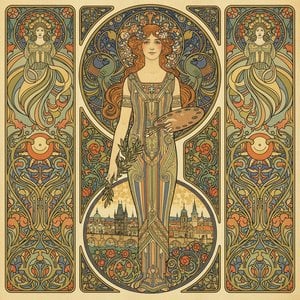
Alphonse Mucha: A Comprehensive Exploration of Art Nouveau's Master of Decorative Symbolism
Explore the life & art of Alphonse Mucha, master of Art Nouveau! Discover his iconic posters, stunning illustrations, and the monumental Slav Epic. A comprehensive guide for collectors & enthusiasts.
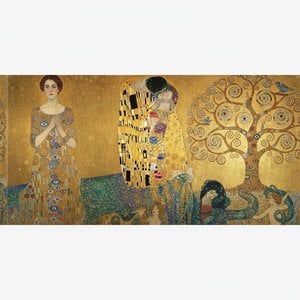
グスタフ・クリムト傑作25選:華麗なる装飾性と象徴が織りなす世界 | ArtsDot
グスタフ・クリムトの傑作25選。華麗なる装飾性と象徴が織りなす世界を紐解きます。キス、ポートレートなど、美術史に残る名画の物語と技法をArtsDotで。高品質複製画やインテリアアートも豊富に。今すぐコレクションをご覧ください。

Top 10 Masterpieces for Your Living Room: Iconic Paintings & Art Decor Ideas |
Transform your living room with iconic art! Explore our guide to the Top 10 most famous paintings – from Van Gogh's Starry Night to Mona Lisa. Discover artist stories, techniques & find museum-quality reproductions for timeless decor. Explore the full collection on

アール・ヌーヴォーを彩る至宝:10の傑作が語る芸術と装飾の世界
アール・ヌーヴォーの魅力を再発見!ムンロ、ドレ、ガウディ…10の傑作が織りなす曲線美の世界。芸術と装飾が融合した至高のアートをArtsDotで堪能し、お部屋に新たな彩りを。コレクションをオンラインで探索しましょう。