


 設置イメージを確認
 送る
送る シェア
シェア
 詳細情報
詳細情報 ガイドを表示

 画像をダウンロード
 似ている作品
 X線調査
X線調査 スライドショー
 統計情報
統計情報untitled (1561)


 続きを読む
続きを読む
ジークレー/アートプリント
スピーディーな制作と多彩な仕上げオプションが魅力の、ミュージアムクオリティなジークレー・キャンバスプリント。 ( 手描きの複製画を注文する デジタル画像販売へ切り替え)




P118B $10

P118H $10

P118W $10

P438Z $10

P508JH $12

P508YH $12

P805H $10

P805Z $10

P919BZ $10

P919G $10

P919XJ $10

P959ZH $10

P968JZ $12

W106C $8

W218G $10

W218JH $8

W218Y $10

W307PJ $10

W316G $10

W316PJ $8

W316Y $10

W398PJ $8

W4111J $10

W500HY $15

W500JH $15

W692G $12

W849H $8

W940BG $15

W953PJ $8




作品のオリジナル比率に合わせた、当店の規定サイズからお選びください。

特定のフレームやスペースに合わせて、ご自身でサイズを指定することも可能です。選択されたサイズが元の画像の比率と一致しない場合、作品をトリミングするか、鏡面反射または単色での塗りつぶしによって画像を拡張いたします。制作を開始する前に、ご確認用のデジタルモックアップをお送りいたします。
画面上のプレビューには、実際のトリミングや拡張は反映されませんのでご注意ください。最終的な構図を正確に確認できるのは、モックアップのみとなります。
カスタムサイズも承っておりますが、元の比率を維持するためには、あらかじめ用意されたリストからサイズを選択することをお勧めいたします。


 ガラスオプションは、110cm未満のサイズでのみご利用いただけます。

untitled (1561)
ジークレー/アートプリント
複製画サイズ一覧
-


合計金額
$ 62
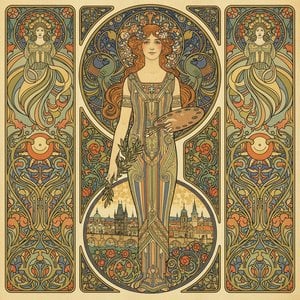
A Symphony of Ornamentation: The Soul of Art Nouveau
To step into the world of Alphonse Mucha is to surrender to a dreamscape where the boundaries between fine art and decorative elegance dissolve into a single, flowing rhythm. His work, particularly seen in pieces like untitled (1561), serves as a breathtaking portal to the Belle Époque, an era defined by a profound longing for beauty amidst the encroaching rigidity of the industrial age. Mucha did not merely paint; he orchestrated a visual language composed of sinuous lines, organic motifs, and a sense of ethereal movement that would eventually define the Art Nouveau movement. His mastery lies in his ability to transform the flat surface of a canvas or poster into a lush, multidimensional experience, where every curve feels alive with the pulse of nature.
The composition of this particular work invites the viewer into an opulent interior, a sanctuary of craftsmanship and refined taste. At its heart lies a magnificent, ornate table, acting as an anchor for a room that breathes with warmth and grandeur. The palette is a rich tapestry of autumnal tones—deep reds, burnt oranges, and earthy browns—which bathe the scene in a soft, diffused light. This warmth creates an atmosphere of intimacy and luxury, making the space feel less like a static room and more like a living, breathing extension of the natural world. For the discerning collector or interior designer, such a piece offers more than mere decoration; it provides a focal point of historical depth and sensory richness.
Symbolism and the Language of Nature
Beyond its immediate aesthetic splendor, the artwork is steeped in the symbolic vocabulary that Mucha championed throughout his illustrious career. The presence of the peacock motif within the stained glass window is particularly poignant; in the lexicon of Art Nouveau, the peacock represents a duality of beauty, pride, and immortality. This element, paired with the intricate geometric patterns and stylized floral flourishes, connects the domestic interior to the wild, untamed elegance of the natural realm. Mucha’s ability to weave these symbols into the very fabric of the architecture suggests a philosophy where art is not separate from life, but rather an essential component of a well-lived existence.
The interplay of textures further enhances this symbolic narrative. The smooth, polished surfaces of the wood contrast beautifully with the reflective glint of metal accents and the translucent, textured quality of the glass. This tactile variety engages the viewer on a subconscious level, evoking the sensation of touching the fine materials of a bygone era. It is this meticulous attention to detail—the way light catches a curved edge or settles into a deep shadow—that gives the piece its enduring emotional resonance. It evokes a sense of nostalgia for a time when craftsmanship was a sacred pursuit and every decorative element told a story of grace and intention.
A Timeless Legacy for the Modern Collector
For those seeking to infuse their contemporary spaces with character and historical weight, a high-quality reproduction of Mucha’s vision offers unparalleled inspiration. Whether placed in a grand salon or a quiet study, the artwork commands attention through its sophisticated balance of complexity and harmony. It serves as a bridge between the past and the present, bringing the romanticism of the late 19th century into the modern home. The piece does not merely occupy space; it transforms it, creating an environment of contemplative beauty and refined luxury.
Investing in such a work is an embrace of the Art Nouveau spirit—a celebration of the organic, the decorative, and the profoundly beautiful. As a centerpiece for interior design, it provides a foundation of warmth and narrative depth that complements both classical and modern aesthetics. To possess a piece of Mucha’s legacy is to hold a fragment of a golden age, ensuring that the flowing lines and luminous colors of his incomparable vision continue to inspire generations of art lovers and connoisseurs alike.


アーティストについて
幼少期と教育
- 1860年7月15日、モラヴィア地方のイヴァニチツェ(現在のチェコ共和国)に生まれました。
- 幼い頃から芸術的な才能を示しました。
- プラハ美術アカデミーに入学しましたが、伝統的な手法に幻滅感を抱きました。
- 1887年にパリに移り住み、独自のスタイルを追求しました。
アール・ヌーヴォー様式と代表作
- 流れるような線、有機的なフォルム、躍動感を持つ独特のアール・ヌーヴォー様式で知られています。
- ピエール=オーギュスト・ルノワールやギュスターヴ・モローといった芸術家から影響を受けました。
- 代表作:
- スラヴの反乱 - 伝統的なチェコのモチーフとモダンなアール・ヌーヴォー要素を融合させた作品です。
- サロン・ド・サン
- ギュスターヴ・モローの『テスピオの娘たち』やピエロ・ドラツィオの『ゴベランの乱れ者たち』にインスパイアされた絵画。
- サー・ヒューバート・フォン・ヘルコマーの『亜麻を破る農夫たち』に基づいた挿絵。
- 流れるようなローブを身につけた理想化された女性を、豊かな花々に囲んで描くことがよくあります。
キャリアのハイライトと主要な依頼
- サラ・ベルナールとのコラボレーション: 1894年に『ジスムンダ』のポスターを制作し、女優サラ・ベルナールのためにポスターやデザインを手がけ、キャリアをスタートさせました。
- パリ万国博覧会(1900年): この博覧会でアール・ヌーヴォー様式が国際的に認められました。ボスニア・ヘルツェゴビナ館の装飾を担当し、オーストリア館にも協力しました。
- チャールズ・リチャード・クレーンからのパトロン: チャールズ・リチャード・クレーンの支援を受け、記念碑的なシリーズ『スラヴ叙事詩』(1912-30) を制作することができました。
- 独立後のチェコスロバキア: 新しいチェコスロバキアのために切手、紙幣、政府の文書をデザインしました。
影響と遺産
- チェコの芸術的伝統とヨーロッパ近代美術の影響を受けています。
- 彼のユニークなスタイルは、アール・ヌーヴォーやセセッション運動の次世代のアーティストへの道を開きました。
- エヴァ・プロコプツォヴァのような他のアーティストに影響を与えました。
- 彼の遺産は芸術作品を超えてデザインと美学にまで及びます。スラヴ叙事詩 は、チェコの国民的アイデンティティを表現する重要な役割を果たしました。
晩年と死
- 1906年にマルシュカ(マリー/マリア)ヒティロヴァと結婚しました。
- 娘のヤロスラヴァが生まれた1906年から1910年までアメリカを訪問しました。
- 1939年7月14日、チェコスロバキアのプラハで亡くなりました。

アルフォンス・ミュシャ
1860 - 1939 , チェコ共和国
アーティスト情報
- Artistic Movement Or Style: アール・ヌーヴォー
- Artists Or Movements Influenced By This Artist: ['エヴァ・プロコプツォーヴァ']
- Artists Who Influenced This Artist:
- ピエール=オーギュスト・ルノワール
- ギュスターヴ・モロー
- Date Of Birth: 1860年7月15日
- Date Of Death: 1939年
- Full Name: アルフォンス・マリア・ミュシャ
- Nationality: チェコ人
- Notable Artworks (List Of Titles):
- スラヴの台頭
- サロン・ド・サン
- テスピオの娘たち
- Place Of Birth (City And Country): チェコ共和国、ブルノ
関連記事
Alphonse Mucha: A Comprehensive Exploration of Art Nouveau's Master of Decorative Symbolism
Explore the life & art of Alphonse Mucha, master of Art Nouveau! Discover his iconic posters, stunning illustrations, and the monumental Slav Epic. A comprehensive guide for collectors & enthusiasts.

アール・ヌーヴォーを彩る至宝:10の傑作が語る芸術と装飾の世界
アール・ヌーヴォーの魅力を再発見!ムンロ、ドレ、ガウディ…10の傑作が織りなす曲線美の世界。芸術と装飾が融合した至高のアートをArtsDotで堪能し、お部屋に新たな彩りを。コレクションをオンラインで探索しましょう。

Harmonizing History & Hue: A Guide to Matching Art Styles with Interior Architecture for Balanced Décor
Elevate your interior design with our expert guide to harmonizing art styles & architecture. Discover timeless pieces, color palettes, & custom artwork solutions for balanced, luxury spaces. Expert advice included!

The Flowing Line & Flourishing Form: Exploring Art Nouveau's Aesthetic Legacy
Explore the captivating world of Art Nouveau! Discover its origins, key artists like Horta & Mucha, regional styles, innovative techniques, and lasting influence on architecture & design. A comprehensive guide for art enthusiasts.

グスタフ・クリムト傑作25選:華麗なる装飾性と象徴が織りなす世界 | ArtsDot
グスタフ・クリムトの傑作25選。華麗なる装飾性と象徴が織りなす世界を紐解きます。キス、ポートレートなど、美術史に残る名画の物語と技法をArtsDotで。高品質複製画やインテリアアートも豊富に。今すぐコレクションをご覧ください。