


 設置イメージを確認
 送る
送る シェア
シェア
 詳細情報
詳細情報 ガイドを表示

 画像をダウンロード
 似ている作品
 X線調査
X線調査 スライドショー
 統計情報
統計情報(80)


 続きを読む
続きを読む
ジークレー/アートプリント
スピーディーな制作と多彩な仕上げオプションが魅力の、ミュージアムクオリティなジークレー・キャンバスプリント。 ( 手描きの複製画を注文する デジタル画像販売へ切り替え)




P118B ¥10

P118H ¥10

P118W ¥10

P438Z ¥10

P508JH ¥12

P508YH ¥12

P805H ¥10

P805Z ¥10

P919BZ ¥10

P919G ¥10

P919XJ ¥10

P959ZH ¥10

P968JZ ¥12

W106C ¥8

W218G ¥10

W218JH ¥8

W218Y ¥10

W307PJ ¥10

W316G ¥10

W316PJ ¥8

W316Y ¥10

W398PJ ¥8

W4111J ¥10

W500HY ¥15

W500JH ¥15

W692G ¥12

W849H ¥8

W940BG ¥15

W953PJ ¥8




作品のオリジナル比率に合わせた、当店の規定サイズからお選びください。

額縁や壁のスペースに合わせて、ご希望の幅と高さを入力してください。プリントはカットすることは可能ですが、元の画像より大きくすることはできないため、異なる比率のサイズを選択された場合は、画像の一部が欠けることになります。印刷を開始する前に、内容を確認していただくためのデジタルモックアップをお送りいたします。このページに表示されている画像は、実際のカット後の状態を示すものではありません。実際の仕上がりはモックアップにてご確認ください。


 ガラスオプションは、110cm未満のサイズでのみご利用いただけます。

(80)
ジークレー/アートプリント
複製画サイズ一覧
-


合計金額
¥ 9804
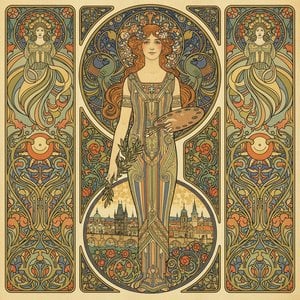
A Vision of Femininity and Mythic Harmony
In the golden twilight of the nineteenth century, few names evoke the sinuous elegance of the Belle Époque quite like Alphonse Mucha. His masterpiece, “The Slavonic Uprising,” stands as a breathtaking testament to the Art Nouveau movement, a period defined by its rejection of rigid academic structures in favor of organic, flowing lines and opulent ornamentation. Within this composition, we encounter a profound engagement with mythology and symbolism, where the boundaries between the human spirit and the natural world begin to dissolve. Mucha does not merely present a portrait; he invites the viewer into a dreamscape where idealized femininity meets the deep, resonant echoes of Slavic folklore.
The central figure of the work serves as an anchor for this mythic narrative—a woman whose presence is both ethereal and commanding. Draped in silks that seem to catch an unseen breeze, she embodies a sense of graceful movement that is characteristic of Mucha’s celebrated style. As her hair cascades down her shoulders like a waterfall of shimmering gold, it reflects the artist's meticulous fascination with botanical textures and natural forms. This fluidity is further enhanced by the presence of birds that dance through the composition, adding layers of depth and a rhythmic pulse to the scene, as if the very air around her is alive with song and motion.
The Alchemy of Line and Color
To behold this work is to witness a masterclass in technical precision. Mucha’s approach was far from accidental; it was a disciplined study of anatomy and botanical illustration blended with an almost magical use of color. Utilizing the delicate layering of thin washes—often employing tempera on canvas—he achieved a luminous surface that appears to glow from within. This technique creates a shimmering, pearlescent quality that makes the subject appear as though she is bathed in a soft, celestial light.
Every detail, from the intricate patterns on her garments to the delicate feathers of her avian companions, is rendered with an astonishing level of care. For the discerning collector or interior designer, this level of detail offers a profound visual richness. The way the colors interact—soft pastels meeting deeper, more resonant tones—creates a balanced palette that can anchor a room with both sophistication and warmth. It is a symphony of line and color that captures the eye and holds it, rewarding repeated observation with new discoveries in every curve and shadow.
Symbolism and the Soul of Art Nouveau
Beyond its aesthetic splendor, “The Slavonic Uprising” is deeply rooted in a complex web of allegory. Mucha’s work often sought to elevate the human experience through visual storytelling, weaving together Christian iconography and Slavic legends to create something transcendent. The interplay between the woman and the birds suggests a harmony between civilization and nature, a central theme of the Art Nouveau ethos. This piece is not just an object of beauty; it is a narrative vessel that carries the weight of cultural identity and spiritual aspiration.
For those seeking to bring a sense of historical depth and emotional resonance into a curated space, this reproduction offers more than mere decoration. It provides a window into a lost era of romanticism and intellectual curiosity. Whether placed in a grand salon or a quiet study, the painting radiates an aura of timeless elegance, making it an incomparable choice for anyone looking to inspire awe and contemplation through the enduring power of fine art.
よくあるご質問
「(80)」の閲覧数はどのくらいですか?
「(80)」には、専用の統計情報ページがあります。このページでは、その作品およびアーティストの他の作品の月間訪問者数を、国別・言語別の内訳とともにグラフで表示しています。
アルフォンス・ミュシャ作「(80)」を異なる照明の下で見ることはできますか?
アルフォンス・ミュシャ作「(80)」のX線解析ページは、X線写真のような表示を含む、作品画像の11層にわたる光学レイヤーをスライドして閲覧できるインタラクティブ・ビューアです。
「(80)」にはどのような雰囲気がありますか?
アルフォンス・ミュシャ作「(80)」の全体的なムードはRomanticです。このムードは、作品が持つ全体的な雰囲気。


アーティストについて
幼少期と教育
- 1860年7月15日、モラヴィア地方のイヴァニチツェ(現在のチェコ共和国)に生まれました。
- 幼い頃から芸術的な才能を示しました。
- プラハ美術アカデミーに入学しましたが、伝統的な手法に幻滅感を抱きました。
- 1887年にパリに移り住み、独自のスタイルを追求しました。
アール・ヌーヴォー様式と代表作
- 流れるような線、有機的なフォルム、躍動感を持つ独特のアール・ヌーヴォー様式で知られています。
- ピエール=オーギュスト・ルノワールやギュスターヴ・モローといった芸術家から影響を受けました。
- 代表作:
- スラヴの反乱 - 伝統的なチェコのモチーフとモダンなアール・ヌーヴォー要素を融合させた作品です。
- サロン・ド・サン
- ギュスターヴ・モローの『テスピオの娘たち』やピエロ・ドラツィオの『ゴベランの乱れ者たち』にインスパイアされた絵画。
- サー・ヒューバート・フォン・ヘルコマーの『亜麻を破る農夫たち』に基づいた挿絵。
- 流れるようなローブを身につけた理想化された女性を、豊かな花々に囲んで描くことがよくあります。
キャリアのハイライトと主要な依頼
- サラ・ベルナールとのコラボレーション: 1894年に『ジスムンダ』のポスターを制作し、女優サラ・ベルナールのためにポスターやデザインを手がけ、キャリアをスタートさせました。
- パリ万国博覧会(1900年): この博覧会でアール・ヌーヴォー様式が国際的に認められました。ボスニア・ヘルツェゴビナ館の装飾を担当し、オーストリア館にも協力しました。
- チャールズ・リチャード・クレーンからのパトロン: チャールズ・リチャード・クレーンの支援を受け、記念碑的なシリーズ『スラヴ叙事詩』(1912-30) を制作することができました。
- 独立後のチェコスロバキア: 新しいチェコスロバキアのために切手、紙幣、政府の文書をデザインしました。
影響と遺産
- チェコの芸術的伝統とヨーロッパ近代美術の影響を受けています。
- 彼のユニークなスタイルは、アール・ヌーヴォーやセセッション運動の次世代のアーティストへの道を開きました。
- エヴァ・プロコプツォヴァのような他のアーティストに影響を与えました。
- 彼の遺産は芸術作品を超えてデザインと美学にまで及びます。スラヴ叙事詩 は、チェコの国民的アイデンティティを表現する重要な役割を果たしました。
晩年と死
- 1906年にマルシュカ(マリー/マリア)ヒティロヴァと結婚しました。
- 娘のヤロスラヴァが生まれた1906年から1910年までアメリカを訪問しました。
- 1939年7月14日、チェコスロバキアのプラハで亡くなりました。

アルフォンス・ミュシャ
1860 - 1939 , チェコ共和国
アーティスト情報
- Artistic Movement Or Style: アール・ヌーヴォー
- Artists Or Movements Influenced By This Artist: ['エヴァ・プロコプツォーヴァ']
- Artists Who Influenced This Artist:
- ピエール=オーギュスト・ルノワール
- ギュスターヴ・モロー
- Date Of Birth: 1860年7月15日
- Date Of Death: 1939年
- Full Name: アルフォンス・マリア・ミュシャ
- Nationality: チェコ人
- Notable Artworks (List Of Titles):
- スラヴの台頭
- サロン・ド・サン
- テスピオの娘たち
- Place Of Birth (City And Country): チェコ共和国、ブルノ
関連記事

アール・ヌーヴォーを彩る至宝:10の傑作が語る芸術と装飾の世界
アール・ヌーヴォーの魅力を再発見!ムンロ、ドレ、ガウディ…10の傑作が織りなす曲線美の世界。芸術と装飾が融合した至高のアートをArtsDotで堪能し、お部屋に新たな彩りを。コレクションをオンラインで探索しましょう。
Alphonse Mucha: A Comprehensive Exploration of Art Nouveau's Master of Decorative Symbolism
Explore the life & art of Alphonse Mucha, master of Art Nouveau! Discover his iconic posters, stunning illustrations, and the monumental Slav Epic. A comprehensive guide for collectors & enthusiasts.

The Flowing Line & Flourishing Form: Exploring Art Nouveau's Aesthetic Legacy
Explore the captivating world of Art Nouveau! Discover its origins, key artists like Horta & Mucha, regional styles, innovative techniques, and lasting influence on architecture & design. A comprehensive guide for art enthusiasts.

The Gilded Age Reimagined: Exploring the Aesthetic Principles & Enduring Legacy of Art Deco
Explore the captivating world of Art Deco! Discover its origins, defining features, cultural impact & enduring legacy. Expert insights for collectors and design enthusiasts. Shop handmade reproductions at ArtsDot.

Feathered Visions: A Historical & Artistic Exploration of Birds in Painting
Explore the rich history of birds in painting! Discover symbolism, artistic movements & master artists like Audubon. High-quality reproductions available at ArtsDot.