


 シェアする
シェアする シェアする
シェアする
 詳細を見る
詳細を見る

 ダウンロード
 似ている作品
 スライドショー
 統計情報
統計情報Ottaviano Grimaldi


 詳細を見る
詳細を見る
ジークレー/アートプリント
迅速な制作と多彩な仕上げオプションを備えた、ミュージアムクオリティのジークレーまたはキャンバスプリント。 ( 手描きの絵画を購入 デジタル画像販売へ切り替え)




































作品のオリジナル比率に合わせた、当店の規定サイズからお選びください。

特定のフレームやスペースに合わせて、ご自身でサイズを指定することも可能です。選択されたサイズが元の画像の比率と一致しない場合、作品をトリミングするか、鏡面反射または単色での塗りつぶしによって画像を拡張いたします。制作を開始する前に、ご確認用のデジタルモックアップをお送りいたします。
画面上のプレビューには、実際のトリミングや拡張は反映されませんのでご注意ください。最終的な構図を正確に確認できるのは、モックアップのみとなります。
カスタムサイズも承っておりますが、元の比率を維持するためには、あらかじめ用意されたリストからサイズを選択することをお勧めいたします。


 ガラスオプションは、110cm未満のサイズでのみご利用いただけます。

Ottaviano Grimaldi
ジークレー/アートプリント
複製画のサイズ
-


合計金額
$ 62
A Portrait of Power: Alessandro Vittoria’s Ottaviano Grimaldi
Alessandro Vittoria's “Ottaviano Grimaldi,” executed around 1571, is more than simply a marble bust; it’s a meticulously crafted embodiment of Renaissance ideals – a testament to the burgeoning power and refined taste of Venice. The sculpture, depicting the prominent Genoese nobleman Ottaviano Grimaldi, offers a captivating glimpse into the political landscape and artistic sensibilities of the late 16th century. Vittoria, a master sculptor working in the Mannerist style, skillfully captures not just Grimaldi’s likeness but also his projected authority and dignified bearing, reflecting the influence of classical antiquity while firmly rooted in Venetian artistic traditions.
The sculpture itself is a study in controlled elegance. Crafted from flawlessly polished marble – a material prized for its ability to capture subtle details and convey an enduring sense of permanence – Grimaldi’s face commands attention. His strong jawline, piercing gaze, and carefully sculpted beard speak of both intellect and command. The artist's mastery lies in the delicate rendering of his features; the slight furrow of his brow suggests contemplation, while the set of his mouth hints at a resolute will. The inscription on the base, likely detailing Grimaldi’s lineage and achievements, further reinforces this impression of noble pedigree.
Mannerist Refinement: Technique and Style
Vittoria's approach to sculpture firmly places him within the Mannerist movement, a period characterized by a deliberate departure from the idealized forms of the High Renaissance. Rather than striving for perfect anatomical accuracy or harmonious proportions – hallmarks of earlier styles – Vittoria embraced a more expressive and dynamic approach. Notice how the folds of his clothing are rendered with a subtle exaggeration, creating a sense of volume and movement. The use of contrapposto—a shift in weight that creates an asymmetrical pose—adds to this dynamism, lending Grimaldi’s stance a subtle but powerful energy.
The artist's technical skill is evident in every detail. The meticulous carving reveals the texture of the marble – the subtle variations in tone and sheen create a remarkable sense of realism. The use of light and shadow further enhances the sculpture’s three-dimensionality, highlighting the contours of Grimaldi’s face and clothing. Vittoria's attention to surface treatment is particularly noteworthy; he employs a technique known as *bagnatura*, applying a thin layer of wax to the marble before polishing, which creates a lustrous finish that reflects light beautifully.
Symbolism and Context: Venice at its Zenith
“Ottaviano Grimaldi” was created during a period of immense wealth and power for Venice. The city’s maritime trade had brought it to the forefront of European commerce, transforming it into a vibrant center of art, culture, and political intrigue. Grimaldi himself was a prominent figure in Genoese politics, known for his ambition and strategic alliances. The sculpture served not only as a portrait but also as a symbol of Grimaldi’s status and influence – a visual declaration of his power within the Venetian sphere.
The choice of marble itself is significant. Marble was associated with nobility and permanence, reflecting the enduring legacy that Grimaldi sought to establish. Furthermore, the classical style—a deliberate homage to ancient Roman emperors and statesmen—underscores the ideals of civic virtue and leadership that were highly valued in Renaissance society. The sculpture’s placement within a public setting – likely a palazzo or government building – would have further amplified its symbolic impact.
A Legacy of Elegance: Reproduction and Appreciation
Today, “Ottaviano Grimaldi” stands as a remarkable example of Renaissance sculpture, offering a window into the artistic and political world of 16th-century Venice. Reproductions, such as those offered by ArtsDot.com, provide an accessible way to experience the beauty and sophistication of this iconic work. The meticulous attention to detail in the original sculpture is faithfully recreated, allowing viewers to appreciate Vittoria’s technical skill and artistic vision. Whether displayed in a private collection or a public space, “Ottaviano Grimaldi” continues to captivate audiences with its timeless elegance and profound symbolism.
関連作品


アーティストの略歴
アルブレヒト・デューラー:ルネサンスの設計者
ドイツ・ルネサンス美術の代名詞とも言える名前、アルブレヒト・デューラーは、16世紀におけるヨーロッパの絵画および版画界において、最も影響力のある人物の一人として君臨しています。1471年にニュルンベルクで生まれた彼の生涯は、芸術への野心、知的好奇心、そして完璧への飽くなき追求の証でした。単なる画家という枠を超え、デューラーは細部を見逃さない観察者であり、数学的な思考を持つ論理家であり、そして北欧のリアリズムと、胎動しつつあったイタリア・盛期ルネサンスの理想を繋ぎ合わせた先駆者でもありました。彼の遺産は個々の傑作に留まらず、芸術的技法と理論の進展を根本から形作り、後世の世代にわたる芸術家たちに消えることのない足跡を残しました。
デューラーの幼少期は、活発な交易と新興商人層で知られる商業の拠点、ニュルンベルクの活気の中にありました。金細工師であり熟練の印刷技師でもあった父アルブレヒト・デューラー・シニアは、若きアルブレヒトに職人技と芸術制作における極めて貴重な基礎を与えました。彼は地元の画家であるアダム・クラフトの下で最初の修行を積み、その後1493年頃には、アウクスブルクにてドイツの巨匠版画家ハンス・ホルバイン(父)に弟子入りしました。この形成期において、彼はエングレービングやエッチングといった洗礼された技法に触れ、後に比類なき精度で習得することとなる技術を身につけたのです。ホルバインとの日々は、細部への深い慈しみ、明晰さ、そして線の表現力に対する深い理解を彼に植え付けました。これらの資質こそが、彼の独特なスタイルの象徴となったのです。
天才の開花:主要作品と芸術的発展
デューラーの芸術的成果は、驚くほど幅広い主題と媒体に及びました。初期の作品である『聖アンネ』(1498年)や『三博士の礼拝』(1503-1505年)には、アンドレア・マンテーニャのようなイタリア・ルネサンスの巨匠の影響を反映した、遠近法と色彩の卓越した支配が見て取れます。しかし、彼が真に主要な芸術勢力としての地位を確立したのは、木版画シリーズ、特に『黙示録』(1498年)や『受難』(1507-1508年)においてでした。これらの緻密な版画は、彼の並外れた技術的スキル、細部まで描き込まれた人物を通じて複雑な物語を伝える能力、そして線と陰影の革新的な使用を世に知らしめました。
1500年代半ばは、デューラーの創造性が頂点に達した時期でした。この時期には、芸術的な葛藤や実存的な絶望というテーマを探求した、心に深く残る自画像『メランコリア I』(1514年)、死と人間の野心をめぐる複雑な寓意画『騎士、死、そして悪魔』(1518年)、そしてキリストの生涯を描いたエングレービング・シリーズ『祈り』など、最も称賛される作品が次々と生み出されました。特筆すべきは、この時期のデューラーにおける幾何学と比率への関心です。それは『コンパスと定規による測定の教本』(1525年)のような著作にも顕著に表れており、芸術的原理を数学的理論と融合させたこの画期的な論文は、芸術は理性的理解に基づいたものであるべきだという彼の信念を証明しています。
伝統の架け橋:影響と革新
デューラーの芸術的発展は、複雑に絡み合う様々な影響によって形作られました。彼はレオナルド・ダ・ヴィンチやラファエロといったイタリア・ルネサンスの巨匠たちがもたらした様式的な革新、特に自然主義、遠近法、そして人体解剖学への重視を吸収しました。それと同時に、ドイツの祭壇画やフランドル絵画の特徴である緻密な細部描写からインスピレーションを得ることで、北欧美術の伝統にも深く根ざし続けました。彼の作品は、これらの多様な影響を見事に統合したものであり、驚くほどモダンでありながら、同時に深い古典性を湛えた独自のスタイルを創り出したのです。
デューラーの革新性は、単なる技術的な習熟に留まりませんでした。彼は版画における新しい技法、特に繊細な階調の変化を生み出すためのクロスハッチング(交差線)の使用を先駆的に導入しました。細部への執拗なまでのこだわり、構図に対する厳格なアプローチ、そして複雑な寓意的主題の探求は、芸術的卓越性の新たな基準を打ち立てました。さらに、『コンパスと定規による測定の教本』を含む彼の理論的な著作は、芸術を単なる模倣から、より知的で理性的な学問へと高めようとする彼の強い意志を示しています。
遺産と歴史的意義
アルブレヒト・デューラーは1528年にニュルンベルクでその生涯を閉じましたが、後に残された膨大かつ影響力のある作品群は、今なお色褪せることがありません。彼の絵画、版画、そして理論的な著作は、時代を超えて芸術家や学者たちによって研究され、称賛され続けています。彼は西洋美術史における最も重要な人物の一人と見なされていますが、それは個々の傑作のみならず、芸術的技法、理論、そして表現のあり方に与えた深遠な影響によるものです。デューラーの遺産はルネサンスの枠を遥かに超え、近代版画の基礎を築き、彼の足跡を辿る後世の世代に多大な影響を与えました。完璧への飽くなき追求、知的好奇心、そして芸術的卓越性に対する揺るぎない献身は、芸術の力と可能性を理解しようとするすべての人々にとって、永遠のインスピレーションであり続けています。

アレッサンドロ・ヴィットリア
1525 - 1608 , イタリア
基本情報
- Artistic Movement Or Style: フランドル絵画
- Artists Or Movements Influenced By This Artist: ['彼の息子、ヤンとピーテル・ブリューゲル2世']
- Artists Who Influenced This Artist: ['ピーテル・コーケ・ファン・アールスト']
- Date Of Birth: 1525年
- Date Of Death: 1569年
- Full Name: ピーテル・ブリューゲル(父)
- Nationality: フランドル
- Notable Artworks:
- 農民の婚礼
- 雪中の狩人
- 金細工師
- 無垢なる者の殉教
- Place Of Birth: ブラバント公国、ブレダ
関連記事

Bronze Age to Modern Masters: 10 Sculptures That Redefined Art | ArtsDot
Journey through art history with 10 legendary bronze sculptures – from Michelangelo's David to Rodin’s Thinker. Explore the stories, techniques & timeless beauty of these masterpieces. Find museum-quality reproductions & elevate your home decor on ArtsDot.com.
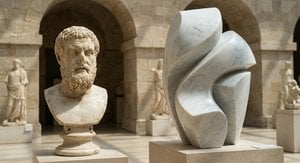
The Enduring Allure of Marble in Art History: From Classical Sculpture to Modern Abstraction
Explore the captivating history of marble sculpture from ancient Greece to modern art. Discover renowned artists like Canova & Michelangelo, carving techniques, and investment insights at ArtsDot.

Bronze Sculptures That Defined Art History | ArtsDot
Journey through art history with our Top 10 bronze sculptures! Explore masterpieces by Rodin, Michelangelo & more. Discover stories behind iconic statues and find museum-quality reproductions for your home decor at ArtsDot.com.

The Enduring Form: Sculpture Across History, Technique & Emotional Resonance
Explore the rich history of sculpture with ArtsDot. Discover key techniques, influential artists & investment potential for discerning collectors. Expert insights into valuing and collecting timeless masterpieces.

The Enduring Form: Exploring Themes & Techniques in Sculpture Across Historical Periods
Explore the rich history of sculpture from ancient masterpieces to contemporary innovations. Discover key techniques, influential artists & investment potential for discerning art collectors.