


 設置イメージを確認
 送る
送る シェア
シェア
 詳細情報
詳細情報 ガイドを表示

 画像をダウンロード
 似ている作品
 X線調査
X線調査 スライドショー
 統計情報
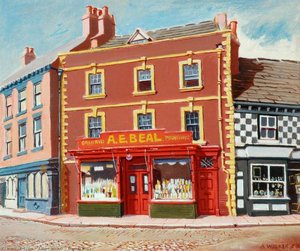
統計情報Self Portrait
 41.0 x 30.0 cm
 The Mercer Art Gallery
 続きを読む
続きを読む
このページに掲載されている作品は著作権法によって保護されており、当社の許可なく同一の複製物を制作または販売することは法律で禁じられています。この保護は、以下のような国際条約に基づき執行されます。 ベルヌ条約 および、以下の条項に定められたものを含む各国の法律により、 米国著作権法 第17編。
敬意を払った法的な代替手段として、私たちはオリジナルにインスピレーションを与えられた、カスタムの手描きアートワークを提供しています。私たちの熟練したプロのアーティストは、元の作品が持つスタイル、情緒、そして芸術的なエッセンスを注意深く研究し、独自の創作物でありながら、同じ感性を呼び起こすような、新しくユニークな作品を作り上げます。
この手法は、著作権で保護された作品の複製や複写を伴わないため、著作権法に完全に準拠しています。これは単なる模倣ではなく、創造的な再解釈です。元の作品からインスピレーションを受けつつも、それとは異なる、全く新しい絵画を生み出すものです。
手描き油彩複製画
当社のアーティストが、お客様のご希望のサイズと額縁に合わせて、キャンバスに手描きで制作する油彩画です。 ( プリント版に切り替え デジタル画像販売へ切り替え)




































作品のオリジナル比率に合わせた、当店の規定サイズからお選びください。

フレームや壁のスペースに合わせて、ご希望の幅と高さを入力してください。本作品は手描きのため、異なる比率のサイズをご希望の場合、絵画の周囲を少し広げて描くか、あるいは端を少しカットして調整することが可能です。お客様のご要望に合わせます。制作を開始する前に、仕上がりを確認するためのデジタルモックアップをお送りいたします。このページに表示されている画像は完成品の実物ではなく、あくまでモックアップによるイメージです。
ご注文後、ArtsDot.com チームより詳細な指示をお送りするとともに、仕上がりイメージ(モックアップ)をご提供いたします。


 ガラスオプションは、110cm未満のサイズでのみご利用いただけます。

Self Portrait
再現技法
複製画サイズ一覧
-


合計金額
¥ 41587
関連作品


アーティストについて
Albert Walker: A Vision of Rural America and Victorian Echoes
Albert Walker (1846–1915), a largely unsung figure of American landscape painting, offers a poignant glimpse into the fading grandeur of rural life in the late 19th century. Born in Springfield, Oregon, during a period of rapid westward expansion and profound social change, Walker’s work transcends mere topographical representation; it's imbued with a melancholic beauty, reflecting both the romantic ideals of the Victorian era and the encroaching realities of industrialization. His canvases capture not just scenes but also a sense of loss—the slow disappearance of traditional ways of life as the frontier gave way to settled communities.
Walker’s artistic journey began with formal training in Boston, where he studied under the esteemed landscape painter Asher B. Durand, a leading figure in the Hudson River School movement. Durand's emphasis on capturing the sublime beauty of nature and depicting it with scientific accuracy profoundly influenced Walker’s early style. However, unlike many of his contemporaries who embraced a purely objective approach, Walker infused his landscapes with a distinctly emotional quality. He wasn’t simply rendering a view; he was conveying a feeling—a sense of quiet contemplation, nostalgia, and perhaps even a subtle sadness for the past.
The Influence of Joseph Mallord William Turner
A crucial element in understanding Walker's artistic vision lies in his deep admiration for the work of Joseph Mallord William Turner. Like Turner, Walker was fascinated by light and atmosphere, employing loose brushstrokes and vibrant color palettes to create a sense of immediacy and movement within his landscapes. Turner’s ability to capture fleeting moments of beauty—the shimmering effects of sunlight on water, the dramatic interplay of clouds and shadows—served as a powerful model for Walker. He particularly admired Turner's use of atmospheric perspective, creating a sense of depth and distance through subtle variations in color and tone.
Furthermore, both artists shared a fascination with the power of nature to evoke profound emotions. Walker’s landscapes are not static representations; they are dynamic scenes teeming with life—rolling hills dotted with grazing cattle, winding rivers reflecting the sky, and towering trees casting long shadows across the fields. This emphasis on movement and vitality reflects Turner's belief that art should capture the essence of experience rather than simply depicting external reality.
Key Themes and Subjects
Walker’s oeuvre is dominated by scenes of rural America—vast prairies, rolling hills, and picturesque waterways. He frequently depicted farms, barns, and livestock, capturing the rhythms of agricultural life with remarkable detail and sensitivity. However, his paintings are not simply celebrations of rural prosperity; they often carry a subtle undercurrent of melancholy, suggesting the vulnerability of these communities to economic hardship and social change. Many of his works depict scenes of solitude—a lone figure standing on a hilltop, a farmhouse silhouetted against the setting sun—evoking a sense of isolation and longing.
A recurring motif in Walker’s paintings is the depiction of water—rivers, lakes, and streams—which he often rendered with shimmering reflections and atmospheric effects. Water served as a powerful symbol for Walker, representing both the life-giving force of nature and the inevitability of change. His paintings of rivers, particularly, are imbued with a sense of fluidity and movement, mirroring the constant flux of time and the transience of human existence.
Major Works and Legacy
Among Walker’s most celebrated works are “Prairie Sunset” (1888), a breathtaking depiction of a vast prairie bathed in the golden light of twilight; “River Crossing” (1892), which captures a group of travelers making their way across a wide river; and “Barn at Dusk” (1895), a poignant portrayal of a solitary farmhouse silhouetted against the fading light. These paintings, along with many others in his collection, demonstrate Walker’s exceptional skill as a landscape painter and his ability to evoke powerful emotions through his art.
Despite not achieving widespread recognition during his lifetime, Albert Walker's work has been increasingly appreciated in recent years for its quiet beauty, emotional depth, and historical significance. He stands as a testament to the enduring power of landscape painting to capture the essence of American life—both its triumphs and its sorrows—and offers a valuable window into a bygone era.
Albert Walker
1900 - 1984
アーティスト情報
- Full Name: Albert Walker
- Nationality: American
- Date Of Birth: 1900
- Date Of Death: 1984
- Place Of Birth: WahooArt
- Notable Artworks:
- Knaresborough
- Abbey Road
- Artistic Movement Or Style: American scenes
- Artists Who Influenced This Artist: ['Toft']
- Artists Or Movements Influenced By This Artist: ['Walker']