

 送る
送る シェア
シェア
 詳細情報
詳細情報 ガイドを表示

 画像をダウンロード
 似ている作品
 スライドショー
 Q&A
Q&A 統計情報
統計情報Hebe


 続きを読む
続きを読む
ジークレー/アートプリント
スピーディーな制作と多彩な仕上げオプションが魅力の、ミュージアムクオリティなジークレー・キャンバスプリント。 ( 手描きの複製画を注文する デジタル画像販売へ切り替え)




































作品のオリジナル比率に合わせた、当店の規定サイズからお選びください。

額縁や壁のスペースに合わせて、ご希望の幅と高さを入力してください。プリントはカットすることは可能ですが、元の画像より大きくすることはできないため、異なる比率のサイズを選択された場合は、画像の一部が欠けることになります。印刷を開始する前に、内容を確認していただくためのデジタルモックアップをお送りいたします。このページに表示されている画像は、実際のカット後の状態を示すものではありません。実際の仕上がりはモックアップにてご確認ください。


 ガラスオプションは、110cm未満のサイズでのみご利用いただけます。

Hebe
ジークレー/アートプリント
複製画サイズ一覧
-


合計金額
¥ 9785
A Testament to Youthful Grace: Exploring Thorvaldsen’s Hebe Sculpture
The sculpture of Hebe by Albert Bertel Thorvaldsen stands as an enduring emblem of Neoclassical elegance and the pursuit of idealized beauty—a testament to a pivotal moment in artistic history. Crafted from pristine marble around 1806, this masterpiece captures not merely a figure but embodies the very essence of youthful vigor and divine grace, resonating powerfully with viewers centuries later.The Sculptor’s Vision: Thorvaldsen's Roman Influence
Thorvaldsen’s artistic journey began in Copenhagen, fueled by an innate talent nurtured within the Royal Danish Academy. However, it was his relocation to Rome in 1797 that truly cemented his legacy as a sculptor of unparalleled distinction. Recognizing the transformative power of classical antiquity—specifically the sculptures of Michelangelo and Canova—Thorvaldsen dedicated himself to replicating these monumental forms with meticulous precision. This immersion in Roman artistic tradition profoundly shaped his style, prioritizing clarity of form, harmonious proportions, and an unwavering commitment to capturing idealized human beauty. He sought to emulate the grandeur and serenity of the Roman temples and gardens, reflecting a broader cultural fascination with reviving Greco-Roman ideals.A Study in Marble: Technique and Craftsmanship
The sculpture’s remarkable smoothness and polished surface speak volumes about Thorvaldsen's mastery of marble carving technique. Employing chisels and hammers with unwavering patience and skill, he painstakingly sculpted the figure from a single block of Carrara marble—renowned for its purity and translucency. The sculptor skillfully utilized subtle gradations of shading to create realistic textures, capturing the folds of drapery and the contours of Hebe’s body with breathtaking accuracy. This meticulous attention to detail underscores Thorvaldsen's dedication to achieving an unparalleled level of realism within the confines of Neoclassical aesthetics—a stylistic choice that prioritized conveying emotion through form rather than overt ornamentation.Mythological Symbolism: Hebe and the Ambrosia Offering
Hebe, in Greek mythology, represents youthful immortality and divine nourishment – specifically the nectar and ambrosia consumed by gods to sustain their eternal life force. Thorvaldsen’s depiction of Hebe embodies this symbolic significance through her posture and gesture. Holding an amphora aloft, she symbolizes the provision of sustenance—the offering of nectar and ambrosia—essential for preserving divine vitality. The upward gaze conveys a sense of aspiration and serenity, reflecting the goddess's noble character and embodying the ideals of beauty and grace championed by Neoclassical art. This careful selection of iconography reinforces the sculpture’s overarching message: an affirmation of youthful vigor and spiritual transcendence.Emotional Resonance: Capturing Ideal Beauty
More than just a representation of a mythological figure, Thorvaldsen's Hebe transcends mere visual depiction to evoke profound emotional resonance. The sculpture’s serene countenance and graceful posture inspire contemplation—a reminder of the pursuit of perfection and the celebration of human beauty. Its timeless appeal lies in its ability to communicate universal themes of youthfulness, purity, and divine grace—values that continue to captivate audiences across cultures and eras. As a reproduction, this artwork offers an opportunity to bring forth the grandeur and serenity of classical art into any interior space, fostering appreciation for artistic excellence and celebrating the enduring legacy of Albert Bertel Thorvaldsen’s genius.よくあるご質問
「Hebe」の色は、どの程度の光を反射しているように見えますか?
ベルテル・トールヴァルドセン作「Hebe」 の記録された輝度は Dark です。
ベルテル・トールヴァルドセン作「Hebe」の色味の強さはどの程度ですか?
ベルテル・トールヴァルドセン作「Hebe」は、Monochromaticな色彩の強さを備えています。
ベルテル・トールヴァルドセン作「Hebe」 の技法(画材)は何ですか?
ベルテル・トールヴァルドセン作「Hebe」の技法はSculpture Bronzeです。複製画は、この技法の質感や風合いを再現することを目指しています。
関連作品


アーティストについて
ベルテル・トルバルセン:石に刻まれた生涯
アルベルト・ベルテル・トルバルセン(1770-1844)は、新古典主義芸術の理想をその作品に体現した、世界的な名声を持つデンマークおよびアイスランドの彫刻家です。彼の歩んだ道のりは、類まれなる才能とたゆまぬ研鑽、そして時代を超えて人々を魅了し続ける称賛に満ちた物語といえるでしょう。
幼少期と芸術への道
デンマークのコペンハーゲンにて、アイスランドにルーツを持つ労働者階級の家庭に生まれたトルバルセンは、幼い頃から芸術的な才能の片鱗を見せていました。わずか11歳にして王立デンマーク美術アカデズムへの入学を許されたその卓越した技術は、1797年にローマへと渡るための奨学金をもたらしました。この旅こそが、彼の彫刻家としての運命を決定づける極めて重要な一歩となったのです。
ローマでの歳月:様式の確立
永遠の都ローマは、トルバルセンの芸術的発展にとって理想的な環境となりました。彼は古典古代の研究に没頭し、古代の彫刻を丹念に模写することで、形態と比率の原則を深く吸収していきました。この献身的な探求心は、線の純粋さ、理想化された形態、そして静謐な壮大さを特徴とする、独自の新古典主義様式の確立へと彼を導いたのです。
影響と芸術的進化
トルバルセンの表現は、古代ギリシャ・ローマの彫刻家たちの作品のみならず、アントニオ・カノーヴァのような同時代の巨匠からも深い影響を受けていました。しかし、彼は次第にカノーヴァの華美な様式から距離を置き、より簡潔で抑制された表現へと向かっていきました。彼が彫り出した像には、単なる肉体的な美しさだけでなく、高潔な道徳的徳目までもが宿っているのです。
主要な業績と代表作
- 宗教彫刻:トルバルセンは数多くの宗教的作品を残しました。その中でも、教皇ピウス7世の墓碑記念碑は、サン・ピエトロ大聖堂内に安置された非カトリック人芸術家による唯一の作品として、特別な地位を占めています。
- 神話的主題:ガニュメデスと鷲、ヘーベー、アポロンといった神話の登場人物を描いた彫刻は、その優美さと古典的な美しさにおいて、今なお高く評価されています。
- 公共記念碑:彼はヨーロッパ全土から依頼を受け、ワルシャワのニコラウス・コペルニクス像やユゼフ・ポニャトフスキ像、ミュンヘンのマクシミリアン1世像など、数々の重要な公共記念碑を手がけました。
デンマークへの帰還と遺産
1838年、トルバルセンは国民的英雄としてデンマークへと帰還しました。彼の絶大な人気と芸術的重要性を象徴するように、デンマーク政府はコペンハーゲンに彼の作品を収蔵するためのトルバルセン美術館を建立しました。彼は1844年にこの世を去りましたが、その魂は今も美術館の中庭に眠り続けています。
歴史的意義
ベルテル・トルバルセンは、新古典主義運動の形成において極めて重要な役割を果たしました。彼の彫刻は広く賞賛され、多くの後進たちに模倣されることで、世代を超えた芸術家たちに影響を与え続けてきました。彫刻における古典的な理想を見事に復活させた彼の功績は、技術的な熟練と芸術的なヴィジョンを融合させることで、19世紀で最も重要な彫刻家の一人としての地位を不動のものとしたのです。

ベルテル・トールヴァルドセン
1770 - 1844 , デンマーク
アーティスト情報
- Birth Date: 1770年
- Birth Place: デンマーク、コペンハーゲン
- Death Date: 1844年
- 主な作品:
- ニコラウス・コペルニクスとユゼフ・ポニャトフスキの像(ワルシャワ)
- マクシミリアン1世の像(ミュンヘン)
- 名前: アルベルト・ベルテル・トールヴァルセン
- 国籍: デンマーク、アイスランド
- 影響を受けた人物: アントニオ・カノヴァ
- 運動: 新古典主義
関連記事

Bronze Age to Modern Masters: 10 Sculptures That Redefined Art | ArtsDot
Journey through art history with 10 legendary bronze sculptures – from Michelangelo's David to Rodin’s Thinker. Explore the stories, techniques & timeless beauty of these masterpieces. Find museum-quality reproductions & elevate your home decor on ArtsDot.com.

The Enduring Form: Exploring Themes & Techniques in Sculpture Across Historical Periods
Explore the rich history of sculpture from ancient masterpieces to contemporary innovations. Discover key techniques, influential artists & investment potential for discerning art collectors.

The Enduring Form: Sculpture Across History, Technique & Emotional Resonance
Explore the rich history of sculpture with ArtsDot. Discover key techniques, influential artists & investment potential for discerning collectors. Expert insights into valuing and collecting timeless masterpieces.
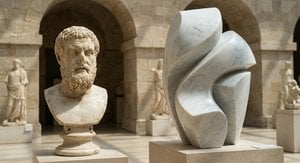
The Enduring Allure of Marble in Art History: From Classical Sculpture to Modern Abstraction
Explore the captivating history of marble sculpture from ancient Greece to modern art. Discover renowned artists like Canova & Michelangelo, carving techniques, and investment insights at ArtsDot.

Bronze Sculptures That Defined Art History | ArtsDot
Journey through art history with our Top 10 bronze sculptures! Explore masterpieces by Rodin, Michelangelo & more. Discover stories behind iconic statues and find museum-quality reproductions for your home decor at ArtsDot.com.