


 プレビュー
プレビュー
 プリントを購入
 シェアする
シェアする シェアする
シェアする
 詳細を見る
詳細を見る

 ダウンロード
 似ている作品
 X線調査
X線調査 スライドショー
W. E. B. Du Bois
 Acrylic On Canvas
- WallArt
- Black Washington Photography
 1911
1911 34.0 x 41.0 cm
 National Portrait Gallery
 詳細を見る
詳細を見る




P118B $10

P118H $10

P118W $10

P438Z $10

P508JH $12

P508YH $12

P805H $10

P805Z $10

P919BZ $10

P919G $10

P919XJ $10

P959ZH $10

P968JZ $12

W106C $8

W218G $10

W218JH $8

W218Y $10

W307PJ $10

W316G $10

W316PJ $8

W316Y $10

W398PJ $8

W4111J $10

W500HY $15

W500JH $15

W692G $12

W849H $8

W940BG $15

W953PJ $8




作品のオリジナル比率に合わせた、当店の規定サイズからお選びください。

特定のフレームやスペースに合わせて、ご希望のサイズをご入力いただけます。選択されたサイズが元の画像の比率と異なる場合、アートワークをトリミングするか、手描きで要素を追加して絵画を拡張いたします。デジタルモックアップ を制作し、制作開始前にご確認(承認)をいただきます。
画面上のプレビューは、実際のトリミングや拡張を正確に反映しているものではありません。最終的な構図は、モックアップによってのみ正確にご確認いただけます。
カスタムサイズもご利用いただけますが、元の比率を維持するためには、あらかじめ用意されたリストからサイズを選択することをお勧めいたします。
ご注文後、ArtsDot.com チームより詳細な指示をお送りするとともに、仕上がりイメージ(モックアップ)をご提供いたします。


 ガラスオプションは、110cm未満のサイズでのみご利用いただけます。

W. E. B. Du Bois
複製技法
複製画のサイズ
-


合計金額
$ 263
作品解説
The Weight of the Color Line: Addison N. Scurlock’s Masterpiece
Addison Norton Scurlock's 1911 photograph of W. E. B. Du Bois stands as more than just a portrait; it is a meticulously crafted document of an era, a visual embodiment of the complex social and intellectual currents shaping early 20th-century America. The image captures Du Bois not merely as a prominent scholar and activist, but as a man wrestling with the profound “double consciousness” – a term he himself coined – that defined the Black experience in a nation grappling with its own identity. Scurlock’s skill lies not just in his technical proficiency, but in his ability to subtly convey the weight of this historical burden through composition, light, and the very gaze of the subject.
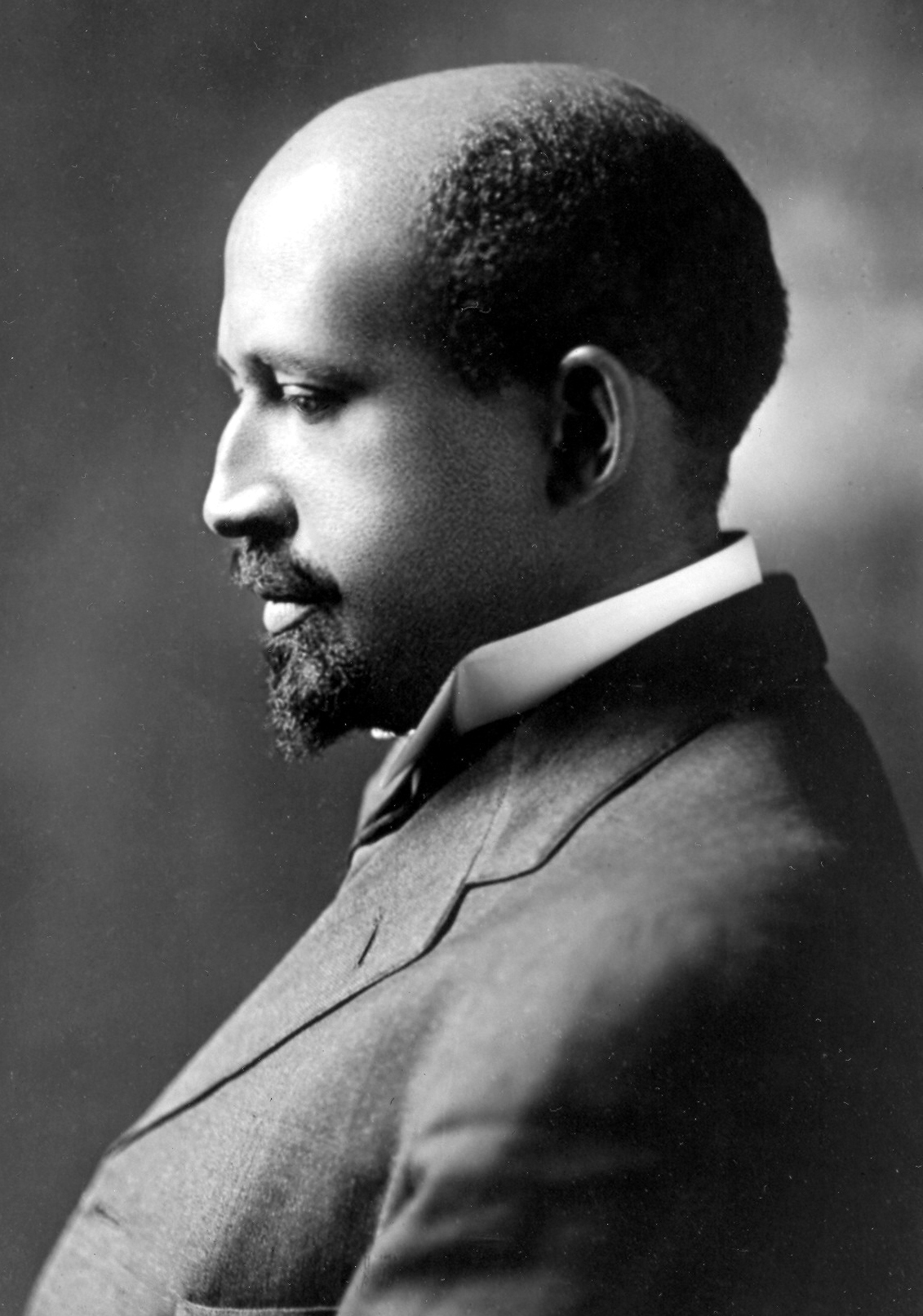
(Image courtesy of Smithsonian Archives)
A Window into Washington’s Black Community
Scurlock's work was deeply rooted in the vibrant, yet often overlooked, community of African Americans in Washington D.C. during this period. He wasn’t simply a portraitist; he was an active participant in documenting the daily lives, cultural expressions, and political aspirations of Black Washingtonians. His studio became a central hub, a place where families sought dignified portraits – a tangible assertion of their presence and identity within a society that frequently denied them recognition. The photograph itself reflects this community engagement, hinting at a setting beyond the formal studio, suggesting a moment captured in a more relaxed, intimate environment.
The backdrop, though subtly rendered, speaks volumes about the era. It’s not a grand cityscape or an opulent interior; instead, it suggests a quiet street scene – a deliberate choice that anchors Du Bois within his immediate context and highlights his connection to the everyday realities of Black life in Washington.
Technical Mastery and Photographic Language
Scurlock's mastery is evident in the photograph’s nuanced details. The use of black and white gelatin silver print lends a timeless quality, with subtle tonal variations creating depth and texture. Note the careful control of light – it illuminates Du Bois’s face, drawing attention to his thoughtful expression while leaving the background softly shadowed. This technique emphasizes the subject's presence without overwhelming him. The composition is carefully balanced; Du Bois’s posture conveys a sense of quiet contemplation, while his slightly turned head invites the viewer into his thoughts.
Furthermore, Scurlock’s use of photographic techniques—particularly in capturing the subtle nuances of expression—demonstrates an understanding that went beyond mere documentation. He was striving to create a portrait that resonated with both intellectual and emotional depth.
Symbolism and the “Double Consciousness”
Du Bois's gaze, directed slightly off-camera, is particularly significant. It’s not a direct, confrontational stare; rather, it suggests introspection and a considered awareness of his position within American society. This subtle shift in focus powerfully embodies the concept of "double consciousness" – the feeling of always looking at oneself through the eyes of others, as articulated by Du Bois himself. The photograph becomes a visual representation of this internal struggle: the simultaneous experience of being both an African American and an American citizen.
The image serves as a poignant reminder of the challenges faced by Black intellectuals during this period – the constant need to navigate racial prejudice while striving for social justice and intellectual advancement. Scurlock’s photograph is not simply a portrait; it's a powerful testament to Du Bois’s legacy and the enduring significance of his ideas.
関連作品


アーティストの略歴
**a pioneer in documenting black washington**
addison n. scurlock, an american photographer, founder of the scurlock studio, and astute businessman, left an indelible mark on the early and mid-20th century with his photographs of black washington. born in fayetteville, north carolina in 1883, scurlock's life trajectory is a testament to his dedication to capturing the essence of african american life during a pivotal era.**early life and career**
scurlock's photographic journey began in the early 20th century, with a focus on documenting the lives of african americans in washington, d.c. this pioneering work not only showcased his technical skill but also highlighted the social and cultural landscape of the time.- key achievements:
- founding the scurlock studio, a hub for photographic excellence.
- capturing the essence of black washington, providing a visual archive of its history.
- mentoring his sons, robert and george scurlock, who followed in his footsteps as photographers.
- notable works:*
- w. e. b. du bois (gelatin silver print, national portrait gallery, washington, united states) - a testament to scurlock's ability to capture the essence of influential figures.
- other works, though not as widely recognized, continue to serve as a window into the lives of african americans during the early 20th century.
**legacy and impact**
scurlock's legacy extends beyond his photographic contributions. he paved the way for future generations of photographers, particularly those from underrepresented communities. his work serves as a reminder of the importance of documenting diverse experiences.- influence on future generations: scurlock's sons and other photographers have continued to build upon his legacy.
- cultural significance: his photographs offer a unique perspective on african american life during a transformative period in u.s. history.
**conclusion**
addison n. scurlock's photographic legacy is a powerful reminder of the importance of documenting diverse experiences. through his work, we gain a deeper understanding of the social and cultural dynamics at play during the early 20th century.- explore more:*
- visit the scurlock studio's page on ArtsDot.com for more information on his life and works.
- discover other photographers who have made significant contributions to the world of photography on ArtsDot.com.
- references:

addison n. scurlock
1883 - 1964 , United States of America
基本情報
- Artistic Movement Or Style: Documentary photography
- Date Of Birth: 1883
- Full Name: Addison N. Scurlock
- Nationality: American
- Notable Artworks:
- W. E. B. Du Bois
- Madam C. J. Walker
- Place Of Birth: Fayetteville, United States
関連記事

Ukiyo-e: Exploring Japan's Floating World & Enduring Artistic Legacy
Explore the captivating world of Ukiyo-e – Japan's iconic woodblock prints! Discover masters like Hokusai & Hiroshige, learn about Edo period culture, and find expert art collecting guidance at ArtsDot.

Suzuki Harunobu: Pioneering Ukiyo-e & the Refinement of Edo Period Printmaking
Discover the revolutionary world of Suzuki Harunobu, a pioneer of ukiyo-e printmaking. Explore his exquisite nishiki-e techniques, diverse subjects & lasting impact on Japanese art history. Learn more at ArtsDot.

Ferdinand du Puigaudeau: Bridging Impressionism & Symbolism in Breton Landscapes
Discover Ferdinand du Puigaudeau's captivating Breton landscapes – a bridge between Impressionism & Symbolism. Explore his life, unique style, and enduring legacy with ArtsDot.

葛飾北斎:25の傑作が語る浮世絵の世界 - ArtsDot
葛飾北斎の25選:『神奈川沖浪裏』や『富嶽三十六景』など、浮世絵の世界を深く探求。木版画の技法と日本美術の美をArtsDotで。高品質なアートプリントで空間に感動を。コレクションはこちら。

Floating World: The Captivating Art and Legacy of Japanese Ukiyo-e
Explore the profound beauty of Japanese Ukiyo-e. Discover the history, masters like Hokusai, and the enduring legacy of the 'Floating World' through an expert art-historical lens.

