Un Battito Fiorentino: L'Eterna Eredità di San Lorenzo
Avvicinarsi alla Basilica di San Lorenzo a Firenze significa immergersi in un palinsesto vivente di ambizione umana, dove ogni pietra consumata dal tempo e ogni lastra di marmo lucido sussurra storie di patronato papale, pietà familiare e della nascita stessa del Rinascimento. Situata nel cuore pulsante e vibrante del storico quartiere del mercato della città, la basilica è molto più di un semplice luogo di culto; è una cronaca monumentale della dinastia Medici . Mentre il suo esterno modesto accenna a secoli di storia stratificata, l'interno rivela un santuario dove la rinascita umanistica dell'antichità trovò la sua espressione più mozzafiato. Attraversando la soglia, la transizione dall'energia caotica delle strade fiorentine alla serena, matematica chiarezza della navata è profonda, offrendo uno sguardo su un mondo in cui arte e divinità sono inestricabilmente legate.
L'anima architettonica di San Lorenzo è definita dal genio rivoluzionario di Filippo Brunelleschi . Incaricato da Giovanni di Bicci de' Medici di reimmaginare questo antico sito — la cui consacrazione risale al 393 d.C. — Brunelleschi introdusse un sistema modulare di proporzioni armoniose che avrebbe ridefinito l'architettura occidentale. Il suo progetto evita l'ostentazione a favore di una compostezza classica, utilizzando colonne, archi ed entablature modellati sugli ideali romani per creare un senso di equilibrata grandiosità. Camminare nella navata è come entrare in una lezione magistrale di geometria; la ripetizione ritmica delle campate quadrate crea una chiarezza spaziale che appare allo stesso tempo senza tempo e profondamente umana. Questa precisione architettonica fornisce un palcoscenico tranquillo per i tesori custoditi all'interno, dove luce e ombra danzano su superfici progettate per elevare lo spirito.
Un Santuario di Splendore Scultoreo e Architettonico
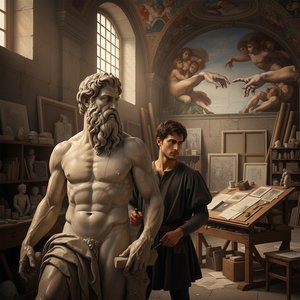
Oltre i trionfi strutturali di Brunelleschi, il complesso si dispiega in una serie di spazi opulenti che mostrano l'evoluzione estetica delle epoche rinascimentale e barocca. Le Cappelle Medicee si ergono come una manifestazione abbagliante, quasi travolgente, di ricchezza e potere, dove la scala monumentale degli intarsi marmorei e dei lavori in pietre semipreziose crea un'atmosfera di splendore imperiale. In netto contrasto con l'elegante sobrietà della basilica, queste cappelle incarnano un'intensità decorativa più drammatica. Nelle vicinanze, la Sagrestia Nuova rimane una testimonianza della brillantezza visionaria, seppur incompiuta, di Michelangelo Buonarroti . Qui, il suo approccio innovativo alla disposizione spaziale e all'integrazione scultorea accenna a una grandezza mai pienamente realizzata, invitando studiosi e sognatori a contemplare la tensione tra intenzione artistica e circostanza storica.
Per il collezionista esperto o l'amante della bella arte, San Lorenzo offre una connessione profonda con i maestri che hanno plasmato la civiltà occidentale. Il complesso ospita diversi tesori incomparabili:
- La Biblioteca Laurenziana: Un capolavoro di Michelangelo che funge da santuario per l'intelletto, custodendo manoscritti miniati all'interno di pareti che esemplificano l'ideale rinascimentale di bellezza.
- La Vecchia Sacrestia: Uno spazio in cui la forza emotiva delle sculture di Donatello cattura il delicato equilibrio tra grazia ed emozione umana.
- Opere d'Arte Sacra: I visitatori possono trovarsi immersi in un dialogo continuo con la storia attraverso i vibranti affreschi di Fra Angelico e vari modelli architettonici, come quelli che raffigurano gli ambiziosi progetti per la facciata della basilica.
San Lorenzo non è semplicemente un sito di interesse storico, ma un incontro con l'anima stessa di Firenze — un luogo dove il tempo sembra fermarsi tra gli echi duraturi della grandezza.