Palazzo Vecchio: A Fortress of Florentine Power
The heart of Florence beats within the formidable walls of Palazzo Vecchio, a structure that is simultaneously a magnificent work of art, a testament to civic pride, and a silent witness to centuries of Italian history. More than just a museum, it’s a journey through time, an immersion into the Renaissance spirit, and a tangible connection to the families who shaped Florence into the cultural powerhouse it remains today. Rising majestically over Piazza della Signoria, its robust rusticated stonework speaks of strength and resilience, while the elegant Gothic windows hint at the artistic refinement within. Begun in 1299 by Arnolfo di Cambio – also renowned for his work on the Duomo and Santa Croce – the palace wasn’t merely built; it was declared, a bold statement of Florence’s burgeoning power as a city-state. The very foundations rest upon the ruins of older structures, symbolically erasing the past to forge a new era of Florentine dominance. It stands not just *in* Florence, but *as* Florence – an embodiment of its ambition and artistic fervor.
A Tapestry of Time: Architectural Marvels
Palazzo Vecchio’s architectural grandeur is immediately striking. Constructed primarily in the Gothic style by Arnolfo di Cambio, it embodies the spirit of medieval Florentine resilience. However, Cosimo I de’ Medici undertook a transformative renovation in the 16th century, introducing classical influences that elevated its prestige and solidified its position as Florence's administrative center. The tower of Arnolfo di Cambio dominates Piazza della Signoria, reaching an impressive height of 94 meters—a testament to Florentine engineering prowess and ambition. Its soaring arches and ribbed vaults exemplify the mastery of Gothic architecture, while the subsequent additions reflect the elegance and grandeur of Renaissance design. Examining the palace’s façade reveals a fascinating interplay of styles, demonstrating Florence's evolving artistic sensibilities throughout history.
The Salone dei Cinquecento: A Celebration of Florentine Glory
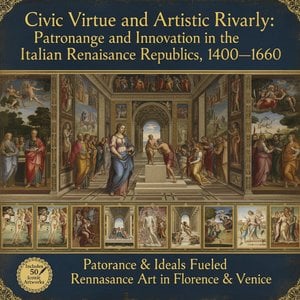
Dominating the palazzo’s interior is the Salone dei Cinquecento (Hall of Five Hundred), arguably Italy’s most celebrated frescoed chamber. Commissioned by Cosimo I de’ Medici, this monumental space showcases an unparalleled display of color and perspective—a breathtaking panorama that glorifies Florence's dominion and celebrates its humanist ideals. Giorgio Vasari skillfully employed innovative techniques to create a masterpiece that commemorates Florentine victories over Pisa and Siena, capturing the fervor of the Renaissance spirit. The walls are adorned with intricate depictions of Florentine rulers, saints, and biblical figures – a visual testament to Medici patronage and artistic excellence. Observing the Salone’s scale and grandeur is akin to stepping into a painting itself—a profound experience that encapsulates Florence's cultural zenith.
Treasures Within: Artistic Highlights
The palazzo houses an extraordinary collection of artworks spanning centuries, reflecting Florence’s role as a beacon of artistic innovation. Michelangelo’s *David*, housed in Piazza della Signoria alongside a copy of the statue, stands as a symbol of Florentine artistry and humanist ideals—a masterpiece that continues to inspire awe and admiration. Furthermore, Palazzo Vecchio's collection includes monumental sculptures by Lorenzo Lotto and Andrea del Sarto – artists who skillfully captured the beauty and emotion of their subjects. The Sala degli Studi (Room of Studies) showcases exquisite paintings by Raphael and Piero della Francesca—works that exemplify Renaissance mastery of technique and composition. Examining these treasures offers a glimpse into Florence’s artistic heritage and its enduring influence on Western art history.
Beyond Preservation: Palazzo Vecchio Today
Today, Palazzo Vecchio continues to serve as Florence’s town hall, fostering civic engagement and upholding its role as a landmark of Florentine identity. Visitors can explore its halls, admire its artworks, ascend Arnolfo's Tower for panoramic views of the city—a unique opportunity to immerse oneself in the spirit of Renaissance Florence. The palazzo’s museum offers insights into Florentine history and art, inviting visitors from around the globe to discover its treasures and connect with the legacy of one of Italy’s most iconic landmarks. Its ongoing role as a governmental institution ensures that Palazzo Vecchio remains active and relevant—a living testament to Florence's enduring spirit and artistic heritage.