

Un Capolavoro del Rinascimento: Château de Villandry – Dove i Giardini Raccontano Storie
Immerso nel cuore della Valle della Loira, in Francia, lo Château de Villandry si erge come una testimonianza dell'armonioso connubio tra architettura e progettazione del paesaggio: un luogo dove le mura di pietra sussurrano racconti di nobili stirpi e giardini meticolosamente curati sbocciano con una bellezza quasi teatrale. Più che un semplice castello, è un'opera d'arte vivente, un vasto tableau vivant che invita i visitatori a smarrirsi in secoli di visione artistica. Originariamente fortezza medievale, trasformata nel corso delle generazioni in una sontuosa residenza rinascimentale, l'eredità duratura di Villandry risiede principalmente nei suoi straordinari giardini: una serie di spazi interconnessi progettati non solo per il piacere estetico, ma come intricate allegorie e dimostrazioni di maestria orticola.
La storia ha inizio nel XVI secolo con Jean Le Breton, Controllore Generale della Guerra francese, che riconobbe il potenziale del sito. Egli commissionò la costruzione di un nuovo castello attorno all'esistente mastio del XIV secolo, una decisione strategica che preservò un legame tangibile con il passato pur abbracciando i nascenti ideali rinascimentali di simmetria e grandezza. Tuttavia, fu Joachim Carvallo, medico spagnolo e appassionato orticoltore, a plasmare veramente Villandry nella destinazione iconica che è oggi. Nel 1906, acquistò la tenuta insieme alla moglie Ann Coleman, un'erede la cui fortuna alimentò un progetto ambizioso: trasformare i giardini esistenti in una serie di "parterre" interconnessi, ognuno rappresentante un tema distinto e incarnando un concetto filosofico o storico specifico. Questi non sono semplici fiori colorati; sono dialoghi accuratamente orchestrati tra arte, natura e intelletto umano.
I Giardini – Una Sinfonia di Pietra e Fioritura
I giardini di Villandry sono divisi in diverse aree chiave, ognuna con il proprio carattere e design unico. Il Giardino d'Acqua, forse il più suggestivo al primo impatto, è un'estensione a forma di stella composta da canali, fontane e specchi d'acqua. Qui, l'acqua stessa diventa un mezzo artistico, creando schemi scintillanti ed evocando le forme architettoniche sovrastanti. Adiacente ad esso si trova il Giardino Ornamentale, un tripudio di colori e texture che mette in mostra aiuole meticolosamente disposte in disegni geometrici, testimonianza della fascinazione rinascimentale per l'ordine e la proporzione. Sorprendentemente, anche l'Orto è altrettanto affascinante, con letti rialzati piantumati con erbe, verdure e fiori, disposti secondo le tradizioni medievali che enfatizzavano sia la bellezza che l'utilità.
Oltre queste aree centrali, i visitatori possono esplorare il Giardino del Sole (Jardin au Soleil), uno spazio più intimo progettato per la contemplazione e il relax. Il “Parterre des Nobles” è un altro punto di forza, caratterizzato da intricati motivi che rappresentano stemmi e simboli araldici, una rappresentazione visiva di lignaggio e status sociale. L'intero complesso dei giardini è disposto su terrazze, creando un drammatico senso di profondità e prospettiva che attira lo sguardo verso l'alto, verso il castello stesso. L'uso di basse siepi di bosso – caratteristica distintiva dello stile di Villandry – crea linee nette e angoli precisi, contrastando magnificamente con le morbide curve delle aiuole.
Un Castello Imbevuto di Storia
Oltre ai suoi giardini, lo Château de Villandry offre uno sguardo su secoli di storia francese. Originariamente fortezza medievale, ha assistito a numerosi eventi significativi, tra cui l'incontro cruciale tra il Re Filippo II di Francia e Riccardo I d'Inghilterra nel 1189 – un evento commemorato da una targa all'interno delle mura del castello. La proprietà rimase alla famiglia Le Breton per oltre due secoli prima di essere acquisita dal Marchese de Castellane nel XVIII secolo. Durante la Rivoluzione Francese, fu confiscata e brevemente occupata dal fratello di Napoleone Bonaparte, Jérôme. Oggi, la famiglia Carvallo continua a mantenere e custodire questa straordinaria tenuta, assicurando che la sua eredità perduri.
Visitare Villandry – Un'Esperienza per Tutti i Sensi
Lo Château de Villandry accoglie i visitatori tutto l'anno (con variazioni stagionali), offrendo una ricchezza di attività ed eventi. Le visite guidate forniscono preziose intuizioni sulla storia e sul design del castello e dei giardini, mentre mostre speciali presentano installazioni d'arte contemporanea all'interno della cornice storica. Il ristorante interno offre deliziosa cucina regionale, permettendo ai visitatori di immergersi completamente nell'esperienza. Per coloro che cercano una comprensione più profonda della filosofia del giardino, vengono offerti frequentemente workshop focalizzati su aspetti come l'orticoltura, il design e il contesto storico. Una visita a Villandry non è solo un giro turistico; è un invito a interagire con l'arte, la storia e la natura in modo profondamente arricchente.
Mostre Notevoli e Preservazione Continua
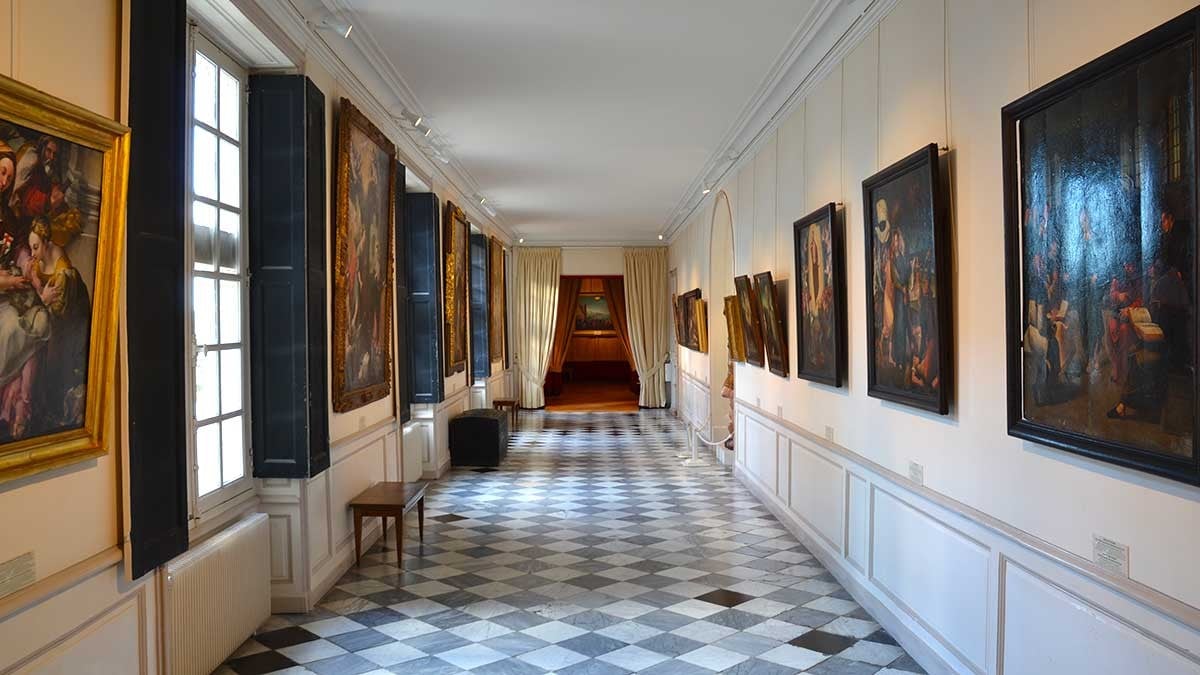
Sebbene i giardini stessi siano l'attrazione principale, il Castello ospita regolarmente mostre temporanee che completano la sua collezione permanente. Queste presentano spesso opere di artisti contemporanei che rispondono ai temi storici e orticoli di Villandry. Inoltre, gli sforzi di conservazione in corso assicurano che questa straordinaria tenuta rimanga una vibrante testimonianza del patrimonio francese per le generazioni a venire. Il meticoloso lavoro di restauro, unito alla dedizione della famiglia Carvallo, garantisce che la bellezza e l'arte dello Château de Villandry continueranno a ispirare e incantare i visitatori da tutto il mondo.