Le Origini e la Storia del Castello Sforzesco
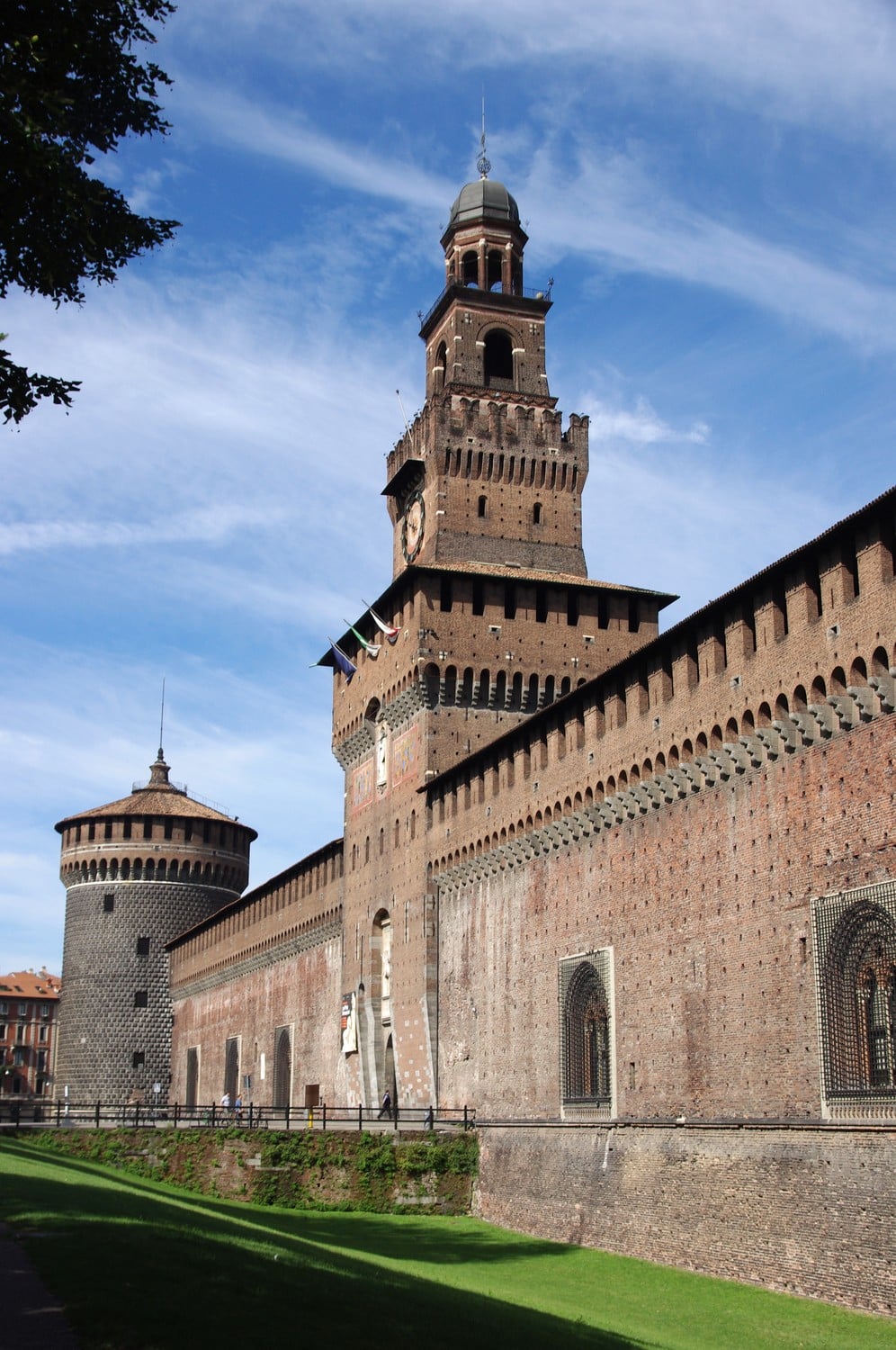
Le fondamenta del Castello Sforzesco affondano le radici nel XIV secolo, quando Galeazzo II Visconti concepì l'area come una struttura difensiva. Questa fortificazione originaria fornì la base fisica per quello che sarebbe diventato un complesso molto più vasto. Già negli anni '50 del Quattrocento, il sito si era trasformato in un bastione di primaria importanza, e la costruzione della fortezza proseguì per tutto il XV secolo sotto il dominio di Francesco Sforza. Egli edificò sulle vestigia delle precedenti fortificazioni viscontee, rimodellando il complesso in una residenza principesca capace di riflettere i mutamenti di potere dell'epoca.
La storia di questo luogo è un racconto di continua metamorfosi. Quello che era iniziato come un pragmatico avamposto militare si è evoluto attraverso i secoli, adattandosi alle esigenze delle dinastie che lo hanno abitato. L'architettura stessa testimonia questi strati di utilizzo, dalle necessità difensive del periodo medievale alle intenzioni più ornamentali del Rinascimento. Questa evoluzione è stata ulteriormente plasmata dall'estesa ricostruzione intrapresa da Luca Beltrami tra il 1891 e il 1905, che mirava a restituire alla struttura il suo antico splendore, adattandola al contempo alla sua moderna funzione all'interno di Milano, in Italia.
Il castello rimane una presenza costante nella città, custodendo tra le sue mura il peso delle sue varie incarnazioni storiche. La transizione da cittadella militare a istituzione culturale è visibile nel tessuto stesso della muratura e nella disposizione dei terreni. Esso resta un luogo dove il passato difensivo e lo splendore residenziale dell'era Sforza coesistono in un abbraccio senza tempo.
L'Architettura e la Struttura della Fortezza
L'identità strutturale del Castello Sforzesco è il risultato di una stratificazione complessa, dove la necessità difensiva si intreccia indissolubilmente con l'ambizione residenziale. La fortezza originale dei Visconti era definita da tratti puramente pragmatici e militari: mura imponenti, torri posizionate strategicamente e una formidabile porta d'accesso concepita per la protezione. Con il passaggio del sito sotto il dominio di Francesco Sforza e dei suoi eredi, il racconto architettonico mutò profondamente, iniziando a incorporare elementi rinascimentali e trasformando il complesso in una raffinata residenza principesca. Questa evoluzione ha lasciato un'impronta indelebile fatta di mura massicce, fossati e ampi cortili, che ancora oggi definiscono l'esperienza sensoriale all'interno del sito.
La configurazione esterna riflette invece la storica espansione e l'integrazione urbana del complesso. Sul lato rivolto verso la città, la semi-circolare Piazza Castello è stata concepita per dialogare con il tessuto urbano circostante. Al contrario, l'area rivolta verso la campagna è stata organizzata in un vasto spazio quadrato di 700 per 700 metri, noto come Piazza d'Armi. Questi spazi così distinti, uno raccolto e l'altro expansivo, illustrano la natura duale del monumento: un tempo baluardo fortificato e, al contempo, cuore pulsante della vita civile e militare milanese.
La Pinacoteca e le Collezioni d'Arte
La Pinacoteca custodisce una straordinaria collezione di dipinti italiani che abbracciano diversi periodi storici, testimoniando l'evoluzione del linguaggio visivo attraverso il Primo Rinascimento, il Rinascimento maturo e l'intero splendore del Rinascimento italiano. Tra queste mura, la presenza di Andrea Mantegna e Giovanni Bellini offre un incontro diretto con le fondamenta stesse della pittura italiana. Il percorso collezionistico prosegue attraverso i contributi di Lorenzo Lotto, Correggio e Tintoretto, affiancandosi alla precisione luminosa di Canaletto. Ogni opera si pone come una testimonianza tangibile del mutare delle priorità estetiche e dei progressi tecnici che hanno segnato la storia dell'arte.
Oltre la tela dipinta, il Castello Sforzesco racchiude un'importante collezione di arti decorative. Questo insieme comprende arredi, ceramiche e tessuti che riflettono la cultura materiale dei secoli passati, offrendo un legame palpabile con la vita domestica e cerimoniale dell'epoca. La cura dell'allestimento permette di approfondire il modo in cui l'artigianato e il design si intrecciassero con le belle arti, fornendo una percezione autentica dell'ambiente fisico in cui le opere pittoriche furono originariamente concepite.
- Madonna col Bambino, 1465 - Giovanni Bellini
- Madonna col Bambino, santi e angeli, nota come (Madonna Trivulzio), 1432 - Filippo di Tommaso Lippi
- Flagellazione, 1520 - Bernardo Zenale
Il Museo d'Arte Antica e le Arti Decorative
Il Museo d'Arte Antica custodisce la tomba equestre di Bernabò Visconti, un monumento che evoca l'autorità della dinastia medievale che precedette la famiglia Sforza. Questa presenza, racchiusa tra le mura del castello, offre un legame diretto con le ambizioni politiche degli antichi signori di Milano. Nelle vicinanze, il Museo di Arti Decorative presenta una collezione di ceramiche, preziosi avori dell'antichità tarda e vetri contemporanei; oggetti che tracciano una linea continua di maestria artigianale, che dall'antichità giunge fino ai giorni nostri.
La Raccolta di Mobili offre uno spaccato affascinante sull'evoluzione della vita domestica e del design d'interni attraverso i secoli, con arredi che spaziano dal XV al XX secolo. Il castello ospita inoltre collezioni specializzate, tra cui un museo dedicato agli strumenti musicali e un altro che conserva preziosi reperti egizi. Questi spazi invitano a un'osservazione silenziosa e contemplativa della cultura materiale che ha plasmato l'identità della regione.
- Bass viola da gamba, 1687
- Violoncello, 1922
- Clavicembalo, 1753
Capolavori della Collezione Sforzesca
Tra le mura del castello, la Sala delle Asse offre un incontro unico con il genio di Leonardo da Vinci. Commissionata intorno al 1498, la sala ospita un affresco che trasforma l'interno in un paesaggio lussureggiante e immersivo. I gelsi dipinti e i motivi organici creano un senso di profondità che sfida i confini fisici della camera, un luogo dove il dettaglio botanico si fonde con l'arte dell'illusione.
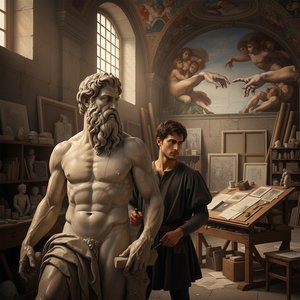
La presenza della Pietà Rondanini di Michelangelo regala un profondo momento di quiete. Questa scultura in marmo incompiuta, che ritrae la Vergine Maria mentre accoglie il corpo di Cristo, sprigiona una forza espressiva e cruda nel modellato del volto. La sua forma rimane in uno stato di perpetuo divenire, un dialogo silenzioso tra l'intento dell'artista e la pietra non ancora del tutto levigata. Nelle vicinanze, la Pinacoteca custodisce opere significative di Andrea Mantegna e Giovanni Bellini, che testimoniano l'evoluzione della pittura italiana attraverso il Rinascimento.
Il Museo d'Arte Antica conserva il monumento equestre di Bernabò Visconti, un monumento che parla dell'autorità della dinastia viscontea che precedette la famiglia Sforza. Questa imponente opera, simbolo del potere medievale, ancora la collezione al suo profondo peso storico. Il patrimonio del castello si estende attraverso diverse epoche, dalle antiche reliquie del periodo romano alla raffinata maestria delle arti decorative. Tra i tesori custoditi nelle collezioni figurano anche:
- Madonna col Bambino, 1465 - Giovanni Bellini
- Flagellazione, 1520 - Bernardo Zenale
- Tabernacolo con episodi della Vita e Passione di Cristo, 1500 - Bernardino Jacopi Butinone
Visitare il Castello e i suoi spazi
I giardini del Castello Sforzesco offrono una transizione armoniosa dalla densità urbana di Milano verso un'atmosfera più contemplativa. La vasta Piazza d'Armi, un tempo teatro di parate e movimenti militari, si è trasformata in un sereno parco pubblico, un'oasi di verde che regala uno spazio di quiete e riflessione nel cuore pulsante dell'attività cittadina. Oltre le imponenti mura della fortezza, il rigoglioso Parco Sempione amplifica questa sensazione di apertura, offrendo un paesaggio che bilancia la gravità della pietra delle fortificazioni con la vitalità della natura incontaminata.
Il percorso all'interno del complesso è reso fluido dai cortili aperti, che invitano a un'esplorazione libera degli spazi interni. Queste aree fungono da soglie sospese tra il mondo esterno e le sale silenziose dei musei. Il Castello si conferma un centro vibrante per la vita culturale, ospitando concerti, rappresentazioni teatrali ed esposizioni d'arte che trasportano l'imponente scenario storico in un contesto contemporaneo. La vitalità di questi eventi assicura che il monumento rimanga una parte pulsante e viva del ritmo quotidiano della città.
L'atmosfera che si respira tra le mura muta con il cambiare della luce e delle stagioni: si può scorgere un angolo di pace in un cortile appartato o trovarsi immersi nel fervore di uno spazio affollato durante una performance. La maestosità dell'architettura infonde un senso di permanenza eterna, anche quando le funzioni degli spazi evolvono da difensive a pubbliche. È un luogo unico, dove il peso della storia incontra il dinamismo della vita moderna.