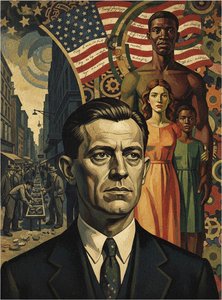
L'Occhio di un Continente: L'Eredità di Mohamed Amin
Nel vasto e mutevole arazzo della storia africana del XX secolo, poche figure hanno catturato il battito crudo e senza filtri del continente come Mohamed Amin. Nato nel 1943 a Eastleigh, Nairobi, Amin era molto più di un semplice osservatore; era un cronista visivo il cui obiettivo trapassava il velo della distanza per portare le profonde realtà della vita africana nella coscienza globale. Cresciuto all'interno della vibrante eredità del Punjab kenyota, la sua precoce fascinazione per il potere dell'immagine pose le basi per una carriera definita da una ricerca quasi implacabile della verità. Il suo viaggio non fu solo un'ascesa professionale, ma una missione di una vita per garantire che le storie del suo popolo — dai trionfi dell'indipendenza alle angoscianti profondità delle catastrofi umanitarie — fossero testimoniate dal mondo intero.
Le fondamenta del suo status leggendario furono costruite sulla grinta e sulla determinazione del suo precoce spirito imprenditoriale. Nel 1963, Amin fondò la Camerapix Company a Dar es Salaam, in Tanzania, un'impresa che sarebbe diventata una pietra miliare dei media africani. Non si trattava semplicemente di un'attività commerciale; era un santuario per l'integrità giornalistica. Attraverso la Camerapix, Amin coltivò una squadra di professionisti dedicati, spesso impegnati in condizioni estenuanti per consegnare notizie con una velocità e una precisione senza precedenti. Il suo lavoro durante l'East African Safari Rally rimane una testimonianza della sua versatilità. Che si trattasse di catturare l'adrenalina ad alta intensità di una Mercedes-Benz 450SLC che affrontava terreni impervi o il caos polveroso di un incidente automobilistico, Amin possedeva un'incredibile capacità di trovare la bellezza all'interno della turbolenza, fondendo la precisione tecnica della fotografia sportiva con un profondo animo documentaristico.
Un Catalizzatore per la Coscienza Globale
Sebbene la sua maestria nel movimento e nella luce gli abbia guadagnato prestigio nel regno dell'azione, fu il coraggio di Amin di fronte alla tragedia a cementare la sua importanza storica. La carestia etiope del 1984 rappresenta forse il capitolo più struggente della sua carriera. Collaborando con la BBC, la documentazione implacabile della crisi operata da Amin fece molto più che riportare una notizia; innescò un movimento globale. Le sue immagini, caratterizzate da una profonda intensità emotiva e dal rifiuto di qualsiasi artificio costruito, divennero il battito cardiaco visivo dell'era Live Aid. Presentando la sofferenza di milioni di persone attraverso composizioni in bianco e nero, spontanee e inquietantemente belle, egli colmò il divario tra una tragedia lontana e l'empatia internazionale, dimostrando che una singola fotografia poteva mobilitare la coscienza del pianeta.
Il suo stile fotografico fu un distacco deliberato dalle immagini patinate e spesso edulcorate dei media tradizionali. Amin prediligeva l'immediatezza> del momento, utilizzando le drammatiche gamme tonali della pellicola in bianco e nero per illuminare le trame della lotta umana e della resilienza. Non c'era spazio per l'artificio nel suo lavoro; egli cercava il crudo, il granuloso, l'autentico. Questo impegno verso la verità si estese persino alle sue missioni più pericolose, inclusa la copertura del regime di Idi Amin. Si muoveva nelle zone di conflitto con l'istinto di un guerriello, spinto dal bisogno di catturare lo spirito dell'Africa postcoloniale mentre veniva forgiato in tempo reale.
Una Fiamma Eterna: Un Impatto Duraturo
La vita di Mohamed Amin fu tragicamente interrotta nel 1996, durante un momento di profondo coraggio. Mentre negoziava con i terroristi che avevano dirottato un volo della Ethiopian Airlines, perse la vita nell'incidente nell'Oceano Indiano. Anche nella morte, il suo impegno verso la narrazione dell'Africa rimase assoluto. Oggi, la sua eredità è preservata non solo nei milioni di immagini d'archivio custodite dalla Mohamed Amin Foundation, ma nel modo stesso in cui percepiamo il continente. Il suo lavoro funge da ponte vitale tra le epoche, documentando la transizione dalle ombre coloniali alla vibrante e complessa realtà delle nazioni africane moderne.
Osservare una fotografia di Amin significa vivere una lezione magistrale di narrazione visiva. I suoi contributi possono essere riassunti attraverso alcuni pilastri duraturi:
- Integrità Giornalistica: Un fermo rifiuto di manipolare la realtà, privilegiando la verità nuda del momento spontaneo.
- Influenza Umanitaria: La capacità di utilizzare l'immagine come strumento di mobilitazione globale e di azione caritatevole su larga scala.
- Maestria Tecnica: Un uso esperto della tonalità in bianco e nero per trasmettere intensità drammatica e peso emotivo.
- Preservazione Culturale: La creazione di un archivio visivo insostituibile della storia africana, dalla fauna selvatica e dagli sport motoristici ai tumulti politici.
In definitiva, Mohamed Amin rimane un pioniere la cui lente non si è limitata a registrare la storia — ha contribuito a plasmarla. Ha insegnato al mondo che guardare da vicino l'Africa significava vedere un continente di immensa forza, di lotta profonda e di uno spirito incrollabile che merita di essere ammirato in tutta la sua complessa gloria.
Domande e risposte
Con quali pseudonimi o nomi alternativi è conosciuto Mohamed Amin?
Mohamed Amin è noto anche con i nomi Salim Amin.
Dove si possono esplorare le opere di Mohamed Amin organizzate per colore?
Le opere di Mohamed Amin possono essere esplorate per colore nella pagina Indice dei colori dell'artista.
Dove si possono trovare le opere di Mohamed Amin raggruppate per parole chiave?
La pagina Per parole chiave di Mohamed Amin raggruppa le opere dell'artista per parole chiave.