


L'immagine segue le tue scelte: , .
Descrizione del reperto
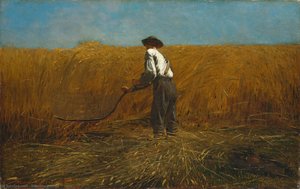
Scopri 'La Guida' di Winslow Homer, un capolavoro del Realismo americano che cattura la bellezza della natura e l'atmosfera tranquilla delle coste nordamericane. Scopri di più su WikiArt!
 Espandi i dettagli
Biografia dell'artista
Un maestro del Realismo americano noto per The Gulf Stream. Scopri oggi i suoi potenti paesaggi e scene marittime.
Riproduzione a olio fatta a mano
Olio su tela dipinto a mano nelle tue dimensioni e con la tua cornice, realizzato su ordinazione dai nostri artisti. ( Passa alle stampe Passa all'immagine digitale)
Maggiori informazioni su questo dipinto
 Anteprima in scala reale
 Invia
Invia Condividi
 Dettagli opera
 Guida
Guida

 Scarica
 Simili
 Radiografia
 Slideshow
 Domande e risposte
 Statistiche
Ordina il tuo dipinto in quattro semplici passaggi
Prenditi tutto il tempo necessario. Puoi modificare qualsiasi risposta; il prezzo nel tuo carrello si aggiornerà in base a ogni scelta.
1 Primo passaggio di quattro
Quale formato desideri?
Queste dimensioni mantengono le proporzioni del dipinto originale. L'illustrazione mostra la tua scelta su una parete, sopra un divano di due metri.
Oppure inserisci le tue misure personalizzate
Scegli tra le nostre dimensioni predefinite, che rispettano le proporzioni originali dell'opera d'arte.

Inserisci la larghezza e l'altezza desiderate, per adattarle alla tua cornice o alla tua parete. Trattandosi di un'opera dipinta a mano, in caso di dimensioni con un formato differente, l'artista può estendere leggermente il dipinto oltre i bordi dell'immagine o ritagliare una piccola parte — la scelta spetta a te. Ti invieremo un mockup digitale da approvare prima che la realizzazione abbia inizio. L'immagine mostrata in questa pagina non rappresenta il risultato finale — solo il mockup lo fa.
2 Passaggio due di quattro
Come deve essere preparato: arrotolato, teso o incorniciato?
I prezzi riportati di seguito si riferiscono alla dimensione selezionata nella prima fase.
Scegli il tipo di bordo per la tela tesa
Scegli la tua cornice

Bianco €1

Bordi sfumati €1

Bordi estesi €1

P118B €10

P118H €10

P118W €10

P438Z €10

P508JH €12

P508YH €12

P805H €10

P805Z €10

P919BZ €10

P919G €10

P919XJ €10

P959ZH €10

P968JZ €12

W106C €8

W218G €10

W218JH €8

W218Y €10

W307PJ €10

W316G €10

W316PJ €8

W316Y €10

W398PJ €8

W4111J €10

W500HY €15

W500JH €15

W692G €12

W849H €8

W940BG €15

W953PJ €8

H24-GOLD €30

H24-SILVER €30

H36-GOLD €45

H36-SILVER €45
Con cornice
Cornice: . Dimensioni complessive con cornice: .
3 Passaggio tre di quattro
Desideri apportare qualche modifica al dipinto?
La maggior parte delle persone risponde di no. Poiché ogni dipinto è realizzato a mano, il nostro artista può anche adattarlo alle tue esigenze.
Dopo l'ordine, il team di ArtsDot.com invierà un'e-mail al cliente per le istruzioni e fornirà un'anteprima del mockup
4 Quarto passaggio di quattro
Alcune opzioni di finitura
Tutti sono opzionali. Le risposte già selezionate non comportano costi aggiuntivi.
Chi l'ha dipinto?
Consegna in tutto il mondo () in 3/4 settimane anziché nelle normali 5 settimane. (11 Novembre). Nessun compromesso sulla qualità.
Una targhetta, come quella di un museo?
Dettagli della targhetta in bronzo inciso
This elegant plaque features the artist's name and the title of the artwork, finely engraved for a timeless presentation.
It is made from bronze with a refined, elegant finish. The text is precisely laser-engraved for a sharp and permanent result. Measuring 9x2 cm, the plaque is compact yet easy to read. It's built to be durable and scratch-resistant, offering a professional, museum-quality look. Mounting is simple thanks to the included adhesive backing.
Dettagli della targhetta in acrilico trasparente
The plaque includes essential engraved details such as the artist's name, the title of the artwork, the date it was created, the type of media used-like oil on canvas or watercolor-a brief description of the piece, and a QR code that links to the complete artwork information.
It is crafted from clear acrylic, offering a sleek, modern appearance. The text is UV-engraved in black to ensure strong visual contrast. With a size of 10x15 cm, it ensures optimal readability. It comes equipped with two metal hooks for secure wall mounting. The plaque is designed to be weather-resistant, making it suitable for various environments, and it includes interactive features that work seamlessly with smartphone scanning.
Dettagli della targhetta in acrilico nero
This elegant plaque includes engraved information such as the artist's name, the title of the artwork, the date it was created, the type of media used (like oil on canvas or watercolor), a short description of the artwork, and a QR code for quick access to more information.
The plaque itself is made from refined black acrylic with a premium finish. The text is laser-engraved in white for high contrast and readability. Its size is 10x15 cm, designed to be easy to read. It comes with two metal hooks for professional mounting. The design is sleek and fits any interior style. It is also weather-resistant and durable, with built-in digital integration for mobile compatibility.
Una vernice protettiva?
Quando ti serve?
✓ Controlla e ordina
Il tuo dipinto, esattamente come lo hai ordinato

La Guida
Tecnica di riproduzione
Dimensioni riproduzione
-

Artisti di alto livello
Maggiore dettaglio, finezza e tempi di produzione dedicati
-

Cornice per riproduzione
-
-
Per opere d'arte o riproduzioni con un lato superiore a 105 cm (circa 41 pollici), la cornice verrà spedita in forma di kit smontato. Questo metodo garantisce una consegna sicura e previene danni durante il trasporto.
Montaggio professionale richiesto - non è un prodotto fai-da-te.
Il kit deve essere assemblato e la tela tesa da un esperto cornice professionista, utilizzando colla per legno (non inclusa), una pinza per tendere la tela e morsetti per mantenere i listelli in squadra durante l'asciugatura della colla. Un montaggio errato o una tensione non uniforme della tela possono danneggiare permanentemente l'opera d'arte e non sono coperti dalla nostra garanzia.
 Per opere d'arte o riproduzioni con un lato superiore a 105 cm (circa 41 pollici), la cornice verrà spedita in forma di kit smontato. Questo metodo garantisce una consegna sicura e previene danni durante il trasporto.
Tutte le barre in legno massello sono incluse, tagliate con precisione alle dimensioni corrette.
Da assemblare con le viti fornite e con la colla per legno per gli incastri degli angoli, che non è inclusa e dovrà essere reperita dal vostro corniceio.
Sono necessari strumenti professionali non inclusi: una pinza tendicanvas (tenditore) e dei morsetti per mantenere i listelli in squadra durante l'asciugatura della colla.
Importante:
Gli incastri d'angolo richiedono colla per legno, i listelli devono essere mantenuti in posizione con dei morsetti finché la colla non è completamente asciutta, e il tensionamento della tela sulla cornice assemblata richiede una pinza per tendere la tela. Nessuno di questi strumenti è incluso nel kit. Si prega di consultare un incorniciatore professionista esperto prima di ordinare questa misura.

Didascalia
-
-

Vernice protettiva
Vernice lucida (esalta i colori, protegge da luce e umidità)
-

Personalizza la mia opera
Esempi di personalizzazione: sostituire il volto con una foto del cliente; aggiungere un animale domestico (ad esempio, sostituire un gatto con un cane); inserire un messaggio nascosto nello sfondo; cambiare il paesaggio o gli elementi dello sfondo.
-

Consegna rapida
Consegna in tutto il mondo () in 3/4 settimane anziché nelle normali 5 settimane. (11 Novembre). Nessun compromesso sulla qualità.
-
Spedizione espressa
Spedizione in tutto il mondo () in 5 settimane. (18 Novembre).
Spedizione inclusa
Prezzo finale calcolato
€ 235
L'opzione vetro è disponibile solo per dimensioni inferiori a 110 cm
Incluso in ogni ordine
- Spedizione espressa gratuita in tutto il mondo
- Tela in lino di alta qualità
- Assicurazione completa sulla spedizione
- Garanzia di rimborso dei dazi doganali
- Garanzia di fedeltà cromatica assoluta
- Politica di reso entro 100 giorni (solo per difetti di fabbricazione)
- Garanzia di rimborso al 100%
- Offerta per acquisti multipli


Un Momento di Serenità nella Natura Selvaggia Americana
Nella quiete del 1895, Winslow Homer catturò una scena che trascende la mera osservazione, offrendo invece una profonda meditazione sulla pace e sulla presenza. La Guida non è semplicemente la raffigurazione di un uomo che riposa accanto a un albero; è un invito in un mondo dove il ritmo frenetico della vita moderna si dissolve nella quiete ritmica della natura. Mentre contempliamo questo squisito acquerello, ci ritroviamo seduti accanto al soggetto, testimoni di un momento di profonda tranquillità. La composizione, ancorata dalla solida presenza di un tronco d'albero, accoglie la figura centrale in un modo che appare allo stesso tempo protettivo e intimo. Con le gambe incrociate e lo sguardo forse perso verso un orizzonte lontano, l'uomo incarna uno stato di essere interamente a casa all'interno del paesaggio. Questo senso di appartenenza è approfondito dalla sottile inclusione di un compagno e di un fedele cane sullo sfondo, elementi che trasformano un momento solitario in un'esperienza condivisa di armonia pastorale.
La risonanza emotiva di quest'opera risiede nella sua capacità di evocare nostalgia per un'esistenza più semplice. Per il collezionista o l'interior designer, La Guida funge da finestra su un'era del Realismo Americano in cui la bellezza dell'ordinario veniva celebrata con riverenza. C'è un senso palpabile di respiro e d'aria all'interno del dipinto, la sensazione che, se si dovesse entrare nella cornice, gli unici suoni sarebbero il fruscio delle foglie e il dolce respiro del cane. È un'opera che non richiede attenzione attraverso la grandiosità, ma la conquista attraverso la sua grazia silenziosa e persistente, rendendola un elemento centrale ideale per spazi progettati per la riflessione, lo studio o il relax.
Maestria della Luce e del Mezzo dell'Acquerello
Per comprendere la brillantezza de La Guida, bisogna apprezzare l'ineguagliabile comando di Homer sul mezzo dell'acquerello. A differenza degli strati pesanti e opachi della pittura a olio, l'acquerello permette una trasparenza luminosa che imita l'essenza stessa della luce che filtra attraverso la chioma di un bosco. Homer utilizza pennellate delicate e morbidi lavaggi stratificati per creare un senso di profondità e atmosfera che appare quasi etereo. I colori non sono audaci o stridenti; piuttosto, sono una sofisticata tavolozza di toni della terra, verdi smorzati e morbidi ocra che armonizzano con il soggetto naturale. Questa tecnica permette all'artista di catturare le sottili sfumature della consistenza: la corteccia ruvida dell'albero, la morbidezza del terreno e la luce gentile che colpisce l'abbigliamento della figura.
Questa prodezza tecnica è una testimonianza delle origini di Homer come illustratore commerciale. La sua formazione gli ha insegnato l'importanza della chiarezza e la capacità di trasmettere stati d'animo complessi con segni precisi ed economici. In La Guida, ogni tratto serve a uno scopo, contribuendo a un'atmosfera generale di serenità. Per coloro che cercano una riproduzione di alta qualità, è questa meticolosa attenzione al dettaglio — il modo in cui la luce sembra brillare dall'interno della carta stessa — che rende una versione dipinta a mano di questo capolavoro così affascinante. Essa porta in una stanza non solo uno schema cromatico, ma un senso tangibile di luce e atmosfera che può trasformare l'intero umore di un interno.
Un'Eredità Duratura del Realismo Americano
Storicamente, La Guida si pone come un'espressione cruciale dell'identità americana della fine del XIX secolo. Durante un periodo di rapida industrializzazione ed espansione verso ovest, l'opera di Homer fornì un ancoraggio visivo allo spirito duraturo del paesaggio americano. Egli si allontanò dalle narrazioni grandiose e spesso messe in scena delle tradizioni europee, scegliendo invece di trovare il monumentale nel quotidiano. Questo dipinto è un esempio lampante di come egli abbia elevato la vita di tutti i giorni — il semplice atto di una guida che riposa nei boschi — al livello dell'arte alta. L'opera riflette un profondo rispetto per il mondo naturale e il riconoscimento della dignitosa quiete che si trova in chi vive in armonia con esso.
Per il raffinato amante dell'arte, possedere una riproduzione di un lavoro così significativo è un'opportunità per connettersi con le radici del linguaggio visivo americano. La Guida è più di un elemento decorativo; è un pezzo di storia che continua a parlare al nostro desiderio universale di connessione, pace e ritorno alla natura. Che sia collocata in una galleria illuminata dal sole o in uno spazio abitativo accogliente, agisce come un costante e gentile promemoria della bellezza che esiste quando prendiamo il tempo per sederci, osservare e semplicemente essere presenti.
Domande e risposte
"La Guida" è di pubblico dominio?
Stato del copyright per "La Guida" di Winslow Homer: l'opera è di pubblico dominio - il copyright è scaduto. Ciò determina se sia possibile effettuare liberamente riproduzioni dell'immagine.
In che modo contrasto e armonia si combinano in "La Guida"?
In "La Guida", un Dichiarazione contrasto si sposa con una Tavolozza discordante armonia.
Dove posso acquistare un'immagine digitale di "La Guida" di Winslow Homer?
"La Guida" è disponibile come download di un'immagine digitale ad alta risoluzione, acquistabile direttamente nella sua pagina Immagine digitale ad alta risoluzione.
Opere simili


Winslow Homer
1836 - 1910, Stati Uniti d'America
Biografia dell'artista
La vita e le origini di Winslow Homer
Winslow Homer arrivò a Boston, nel Massachusetts, il 24 febbraio 1836. Era il secondo di tre figli nati da Charles Savage Homer e Henrietta Maria Benson. Suo padre, un mercante, finì per lasciare la famiglia per cercare fortuna durante la corsa all'oro in California. Questa partenza lasciò l'educazione del nucleo familiare nelle mani della madre, Henrietta Maria Benson Homer, una dotata acquerellista dilettante che divenne la sua prima maestra, trasmettendogli un modo unico di osservare il mondo attraverso la delicata applicazione del colore.
Il bambino crebbe in un ambiente domestico dove la quieta creazione artistica era una presenza costante. Mentre il padre inseguiva opportunità lontane, l'influenza degli acquerelli della madre rimaneva radicata nel suo spirito. Questa precoce esposizione al mezzo pittorico contribuì a gettare le fondamenta della sua opera matura. La sua infanzia nella rurale Cambridge, nel Massachusetts, gli fornì uno scenario di vita stabile e osservativa, prima che si spostasse verso il ritmo più frenetico del lavoro commerciale.
Infanzia, Famiglia e Formazione
Crescere tra le distese rurali di Cambridge, nel Massachusetts, offrì un tranquillo scenario ai suoi primi anni di vita. Iniziò a schizzare già all'età di undici anni, scoprendo la propria strada attraverso il semplice e puro atto del disegno. Sua madre, un'abile acquerellista che dedicava le sue pennellate a studi di piante e fiori, fu la sua prima maestra. Il legame tra loro era profondo e intimo, un rapporto che le permise di trasmettergli non solo il talento artistico, ma anche un particolare temperamento. Suo padre, un uomo d'affari, era invece un individuo inquieto che, alla fine, abbandonò la famiglia per cercare fortuna durante la corsa all'oro in California e, successivamente, in Europa.
A diciannove anni, intraprese un apprendistato della durata di due anni con J. H. Bufford, un litografo commerciale a Boston. Fu un'esperienza fatta di ripetizione e monotonia, un lavoro incessante che lo vedeva impegnato quotidianamente nella decorazione di copertine per spartiti musicali, un compito che richiedeva una disciplina ferrea e una mano estremamente ferma. Questo periodo di attività commerciale fu fondamentale per sviluppare quella chiarezza e quel senso del dettaglio che avrebbero poi definito la sua visione artistica. Col tempo, sentì il bisogno di un percorso più strutturato, frequentando le lezioni presso la National Academy of Design fino al 1863; in quegli anni, ebbe anche la possibilità di studiare brevemente sotto la guida di Frederic Rondel.
L'illustratore freelance e il corrispondente di guerra
Già nel 1857, la sua carriera stava prendendo una direzione di assoluta indipendenza, a seguito della decisione di rifiutare una posizione presso l'Harper's Weekly. Aperture il proprio studio a Boston, trascorse quasi vent'anni dedicandosi con passione all'illustrazione. I suoi disegni iniziarono a comparire in varie pubblicazioni, tra cui la celebre Ballou's Pictorial. Nel 1859, il trasferimento a New York City segnò un punto di svolta cruciale, collocandolo nel cuore pulsante dell'attività editoriale del paese.
Tuttavia, fu lo scoppio della Guerra Civile Americana a trasformare radicalmente la natura stessa delle sue osservazioni. Tra il 1861 e il 1865, l'Harper's lo inviò sulle linee del fronte. In qualità di "artista speciale", gli fu affidato il compito di cronacare la vita delle truppe dell'Unione in Virginia. Trascorse i suoi giorni a schizzare le realtà quotidiane della vita nei campi e le drammatiche scene di battaglia. Questi schizzi non erano semplici disegni, ma vere e proprie testimonianze del movimento e di quei momenti di silenzio, spesso carichi di una pesante malinconia, che caratterizzavano l'esistenza dei soldati.
- Sharpshooter on Picket Duty (1862)
- Home, Sweet Home (1863)
- Prisoners from the Front (1866)
Sviluppo artistico tra New York ed Europa
Nel 1859, Winslow Homer si trasferì a New York City, aprendo uno studio nel celebre Tenth Street Studio Building. Questo spostamento segnò un punto di svolta cruciale, un passaggio decisivo dal suo precedente lavoro come illustratore freelance verso una ricerca più profonda e focalizzata sulla pittura. Fino al 1863, dedicò gran parte del suo tempo allo studio presso la National Academy of Design, perfezionando la sua tecnica sotto la guida di Frédéric Rondel. In questi anni formativi, iniziò ad allontanarsi dai contorni essenziali delle sue incisioni commerciali per abbracciare la matericità e la densità della pittura a olio. Le sue opere di questo periodo riflettevano spesso le dure realtà dell'epoca, catturando con sensibilità gli effetti devastanti della guerra sulla vita domestica e sul fronte interno.
Gli anni successivi lo videro viaggiare attraverso lo Stato di New York, la Virginia e il Massachusetts, un percorso che arricchì la sua visione del mondo. Nel 1867, trascorse un anno in Francia visitando l'Europa, un'esperienza che coincise con il suo crescente interesse per il paesaggio. Giunti gli anni '70, il suo sguardo si spostò verso scene d'infanzia e ritratti di giovani donne, evocando una sorta di nostalgia per tempi più semplici e puri. Winslow Homer stava sviluppando uno stile autentico e oggettivo, fedele a ciò che osservava con occhio attento, evitando quei raffinamenti eccessivamente levigati e accademici che caratterizzavano l'arte del tempo.
Nel 1881, iniziò un soggiorno di due anni in Inghilterra, stabilendosi a Cullercoats, nei pressi di Newcastle. Questa permanenza in una località costiera avrebbe influenzato profondamente il suo approccio al mare negli anni della maturità. Non era più soltanto un illustratore di scene sociali; stava diventando un pittore degli elementi, capace di dare forma alla forza primordiale della natura.
Gli anni del Maine e i viaggi tropicali
Nel 1884, Winslow Homer si trasferì a Prout's Neck, nel Maine, un luogo che sarebbe diventato il fulcro della sua esistenza per i successivi tre decenni. Qui, tra le pieghe di una costa selvaggia, visse e dipinse in uno studio che aveva provveduto a espandere e modificare per adattarlo alle sue esigenze creative. L'edificio sorgeva su un tratto di costa dove l'Atlantico era una presenza costante e maestosa; Winslow Homer trascorse gran parte del suo tempo lì, spesso colto nell'atto di dipingere da un balcone che si affacciava direttamente sull'acqua, persino durante i rigidi mesi invernali.
Tuttavia, i pesanti inverni del Maine spinsero l'artista a cercare un mutamento di scenario. Tra il 1884 e il 1905, compì diversi viaggi dalla costa del Maine verso le latitudini tropicali, esplorando le Bahamas, la Florida, Cuba e le Bermuda. Queste escursioni lo portarono a scoprire i segreti dei Caraibi e la bellezza degli Adirondacks, oltre a percorsi attraverso il Canada. In questi mondi più caldi e luminosi, Winslow Homer trovò nel mezzo dell'acquerello lo strumento ideale per catturare la luce vibrante e le infinite, diverse texture del paesaggio.
- Natural Bridge, Bahamas (1898)
- Woman Standing by a Gate, Bahamas (1885)
- Spanish Moss at Tampa (1886)
Tecnica, Stile e Maestria Artistica
Le sue prime opere nelle incisioni commerciali si basavano su contorni netti e forme semplificate, dove un contrasto drammatico tra luce e ombra serviva a definire i soggetti con precisione. Questa chiarezza grafica si è poi trasferita nelle sue pitture successive: nelle sue grandi opere a olio realizzate in studio, il colore possiede un senso di peso e densità quasi tangibile. Winslow Homer impiegava spesso il chiaroscuro, sfruttando l'interazione tra luce e ombra per scolpire le forme e costruire un'atmosfera vibrante sulla tela.
Fu altrettanto prolifico nell'uso dell'acquerello, un mezzo che affrontava con un approccio fluido e diretto. Quando dipingeva i paesaggi dei Caraibi, sfruttava la trasparenza intrinseca dell'acquerello per replicare la limpidezza cristallina del mare delle Bahamas. Questa straordinaria capacità di padroneggiare sia la stesura densa dell'olio che le delicate velature dell'acquerello gli permise di catturare i molteplici e diversi aspetti del mondo naturale.
Opere Chiave e Capolavori
Le sue prime opere rivelano un'attenzione meticolosa per i piccoli dettagli della vita domestica. In Lady Wearing Spectacles, dipinto intorno al 1840, il soggetto siede su una sedia, con gli occhiali che catturano un riflesso di luce. Questo periodo della sua produzione riflette un'osservazione silenziosa e intima delle persone che lo circondavano. Con il passare degli anni, mentre si avvicinava alle linee del fronte durante la Guerra Civile, la sua tematica subì una profonda trasformazione. Egli produsse Sharpshooter on Picket Duty nel 1862 e Home, Sweet Home nel 1863, opere che seppellirono la realtà del conflitto attraverso la forza dei suoi schizzi e dei suoi dipinti.
Il mare divenne una presenza costante e pervasiva nei suoi anni maturi. Breezing Up, realizzato intorno al 1876, cattura con maestria il movimento di un'imbarcazione che sfrutta un vento favorevole. Entro il 1885, il suo sguardo si era spostato sulla lotta solitaria del pescatore in The Fog Warning, Halibut Fishing. Winslow Homer tornò spesso lungo la costa selvaggia del Maine, dove la densità del colore e la trama della tela sembravano rispecchiare l'atmosfera carica e salmastra dell'Atlantico. Nel 1896, The Lookout - "All's Well" offrì una prospettiva dal limite della terraferma, con lo sguardo rivolto verso l'infinito dell'orizzonte.
Gli ultimi anni della sua vita furono dedicati all'osservazione della marea e degli elementi primordiali. The Gulf Stream, creato nel 1906, ritrae un uomo di fronte all'immensità dell'oceano. La sua ultima opera completata, Driftwood, fu dipinta nel 1909. Questi dipinti tardivi trasmettono una sensazione tangibile del mondo fisico: lo spruzzo dell'acqua, la granulosità della sabbia e la forza implacabile delle correnti.
- Lady Wearing Spectacles, circa 1840
- Sharpshooter on Picket Duty, 1862
- Home, Sweet Home, 1863
- Breezing Up, circa 1876
- The Fog Warning, Halibut Fishing, 1885
- The Lookout - "All's Well", 1896
Gli ultimi anni e la morte
Lo studio a Prout's Neck divenne il fulcro del suo intero universo. Dalla metà degli anni '80 fino al termine della sua esistenza, Winslow Homer visse e dipinse tra quelle mura, in uno spazio che era stato ampliato e trasformato per assecondare le sue esigenze creative. Trascorse i suoi ultimi decenni in quel luogo, seguendo il mutare delle stagioni e trovando un ritmo armonioso nella luce costiera. L'edificio, una struttura su due piani che si estendeva per circa 200 metri quadrati, custodì la sua vita e la sua opera con una presenza silenziosa e costante.
La sua fine avvenne nel Maine, nel 1910. Il commiato giunse proprio nel suo studio, il 30 settembre 1910. Era stato un uomo che aveva dedicato l'intera esistenza a osservare il movimento del mare e la densità dell'aria, e scelse di rimanere in quello spazio fino all'ultimo respiro. Le sue spoglie riposano oggi presso il Mount Auburn, nel lotto 563 lungo Lily Path.
Eredità e Significato Storico
Winslow Homer rimane una figura centrale nello sviluppo del Realismo americano. La sua opera offre una finestra sull'esperienza americana del XIX secolo, catturando una nazione nel pieno di un rapido cambiamento. Egli non cercò gli stili levigati e accademici dell'Europa, ma si concentrò invece sulle realtà oneste e spesso difficili del proprio paese. Questo impegno nel vedere le cose per come erano — dalle conseguenze della Guerra Civile ai paesaggi mutevoli della costa — assicura il suo posto tra i più importanti artisti della tradizione americana.
La sua capacità di documentare la tensione tra la vita umana e il mondo naturale continua a influenzare il modo in cui gli artisti contemporanei approcciano i propri soggetti. Si allontanò dalle scene idilliache della sua giovinezza per confrontarsi con le forze elementali del mare e con la silenziosa resilienza delle persone che affrontano le avversità. Questo passaggio da vedute pastorali a uno stile più diretto e osservativo ha contribuito a definire un modo di vedere unicamente americano. I suoi dipinti non offrono una versione romanticizzata della storia; ne offrono una testimonianza.
- The Gulf Stream (1906)
- Breezing Up (1876)
- The Fog Warning (1885)
- Undertow (1886)
- Driftwood (1909)
Dove ammirare le sue opere oggi
Per seguire le tracce fisiche della sua eredità artistica, è necessario intraprendere un viaggio attraverso alcune delle più prestigiose istituzioni degli Stati Uniti. Il Metropolitan Museum of Art a New York custodisce 26 delle sue opere, offrendo uno sguardo profondo sulla sua maestria. Sempre a New York, il Brooklyn Museum mantiene una collezione di 17 capolavori. Per chi invece desidera esplorare il cuore politico del paese, la National Gallery of Art a Washington ospita 23 tra dipinti e disegni.
Spostandosi verso il Nord-est, il Museum of Fine Arts di Boston conserva 16 opere nella sua collezione. Più a sud, lo Sterling and Francine Clark Art Institute a Williamsburg detiene 12 pezzi fondamentali. Queste collezioni offrono un percorso affascinante per osservare l'evoluzione del segno di Winslow Homer, partendo dai primi schizzi legati alla Guerra Civile fino alle texture dense e materiche degli ultimi anni della sua vita.
- The Fog Warning, Halibut Fishing (1885)
- The Gulf Stream (1906)
- Driftwood (1909)
- Breezing Up (A Fair Wind) (1876)
- Old Settlers (1892)




Articoli correlati

I 10 Capolavori dell'Acquerello che Hanno Rivoluzionato l'Arte | ArtsDot
Esplora i 10 capolavori dell'acquerello che hanno cambiato la storia dell'arte! Da Turner a Monet, scopri le storie e le tecniche di questi artisti iconici. Trova riproduzioni di alta qualità e idee per decorare casa con ArtsDot.com.

Realismo Americano: 10 Capolavori che Hanno Definito un'Epoca | ArtsDot
Esplora i 10 capolavori del Realismo Americano con ArtsDot. Scopri Andrew Wyeth, Edward Hopper e George Bellows. Quadri iconici, storie uniche e riproduzioni di alta qualità per la tua casa. Esplora la collezione online!

Ephemeral Visions: Exploring the Artistic Legacy & Contemporary Practice of Watercolor Painting
Explore the captivating world of watercolor painting! Discover its rich history, essential techniques, influential artists & collecting tips. A comprehensive guide for art enthusiasts from ArtsDot.