


 Anteprima in scala reale
 Condividi
 Condividi
 Dettagli

 Scarica immagine
 Articoli simili
 Radiografia
 Slideshow
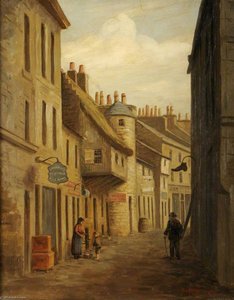
Blackswell Lane
 Realism
 44.0 x 36.0 cm
 Leggi tutto
Riproduzione a olio fatta a mano
Olio su tela dipinto a mano nelle tue dimensioni e con la tua cornice, realizzato su ordinazione dai nostri artisti. ( Ordina stampa Acquista download)




































Scegli tra le nostre dimensioni predefinite, che rispettano le proporzioni originali dell'opera d'arte.

È possibile inserire dimensioni personalizzate per adattare l'opera a una cornice o a uno spazio specifico. Se la dimensione selezionata non corrisponde alle proporzioni dell'immagine originale, provvederemo a ritagliare l'opera o a estendere il dipinto con elementi aggiuntivi dipinti a mano. Un mockup digitale ti sarà inviato per approvazione prima dell'inizio della produzione.
Si prega di notare che l'anteprima a schermo non riflette il ritaglio o l'estensione effettivi. Solo il mockup mostrerà accuratamente la composizione finale.
Sebbene siano disponibili dimensioni personalizzate, consigliamo di selezionare una dimensione dall'elenco predefinito per preservare le proporzioni originali.
Dopo l'ordine, il team di ArtsDot.com contatterà il cliente via e-mail per le istruzioni e fornirà un'anteprima del mockup
Consegna in tutto il mondo () in 3/4 settimane anziché nelle normali 5 settimane. (16 Agosto). Nessun compromesso sulla qualità.

Spedizione espressa gratuita in tutto il mondo

Tela in lino di alta qualità

Assicurazione completa sulla spedizione

Garanzia di rimborso dei dazi doganali

Garanzia di fedeltà cromatica dell'originale

Politica di reso entro 60 giorni (solo per difetti di fabbricazione)

Garanzia di rimborso al 100%

Sconto per acquisti multipli
 L'opzione vetro è disponibile solo per dimensioni inferiori a 110 cm

Blackswell Lane
Tecnica di riproduzione
Dimensioni della riproduzione
-


Prezzo totale
$ 263
Opere correlate




Biografia dell'artista
William Wright: Weaver of the Midwestern Landscape
The name William Wright, particularly when associated with 19th and early 20th-century American art, often evokes a surprising duality. While many recognize him as a pivotal figure in the development of landscape painting—a master of capturing the vastness and subtle beauty of the Midwest, especially the desolate yet compelling Solway Shore region of Scotland—his legacy is inextricably linked to a darker chapter: his involvement in the infamous “Impact” serial photographs that documented the tragic wreck of the SS Portland in 1948. This dual existence – the serene painter versus the unflinching documentarian – reveals a complex and profoundly influential artist whose work continues to resonate with both aesthetic appreciation and historical scrutiny.
Born in 1854, William Wright’s early life was steeped in the traditions of rural Wisconsin. His father, William Cary Wright, was a Unitarian minister and musician, instilling in young William a deep respect for nature and an appreciation for artistic expression. This foundation, coupled with his mother's encouragement to pursue architectural design—a desire fueled by her belief that he would build “beautiful buildings”—laid the groundwork for his future career. Wright’s childhood was marked by instability and financial hardship, contributing to what many historians describe as a deeply troubled and emotionally distant upbringing. Despite these challenges, he developed a keen eye for detail and an innate understanding of light and shadow, qualities that would later define his artistic style.
The Solway Shore: A Painter’s Paradise
Wright's reputation rests primarily on his evocative depictions of the Solway Coast in Scotland. Beginning around 1890, he embarked on a decades-long project to capture the region’s dramatic landscapes – its windswept beaches, brooding skies, and rugged cliffs—with an unprecedented level of realism and emotional depth. Unlike many landscape painters of his era who sought to romanticize nature, Wright presented a starkly honest portrayal of the Solway Shore, emphasizing its harsh beauty and the isolation it engendered. His technique was characterized by meticulous observation, painstaking detail, and a masterful use of color to convey mood and atmosphere.
Wright’s approach extended beyond mere representation; he aimed to capture the *feeling* of the landscape—the sense of solitude, vulnerability, and the sublime power of nature. He employed a unique method of working outdoors, often spending days or even weeks observing a particular scene before committing it to canvas. His paintings are not simply visual records but rather deeply personal expressions of his own experience within these vast and unforgiving environments. Key influences on Wright’s style included the Realist movement, particularly the work of Gustave Courbet, and the Scottish Colourists, whose vibrant use of color and emotional intensity he adopted.
From Landscape to Tragedy: The “Impact” Photographs
The trajectory of William Wright's career took a dramatic turn in 1948 with his assignment to document the wreck of the SS Portland off the coast of Scotland. Commissioned by the *Illustrated London News*, he spent weeks meticulously photographing the scene, capturing the devastation and the human cost of the disaster. The resulting series of photographs, collectively known as “Impact,” are a hauntingly powerful testament to the tragedy—a stark contrast to the serene landscapes that had defined much of his earlier work.
The “Impact” photographs were not merely technical exercises; they were deeply empathetic portraits of the survivors and victims. Wright’s approach was remarkably humane, capturing moments of grief, resilience, and quiet dignity amidst the chaos and destruction. However, the project also exposed Wright to the darker side of human nature—the desperation and suffering that accompany disaster. The experience profoundly affected him, contributing to his declining health in the years leading up to his death in 1944.
Legacy and Interpretation
William Wright’s artistic legacy is complex and multifaceted. While he is celebrated as a master of landscape painting—a significant figure in the development of American realism—his “Impact” photographs force us to confront the darker aspects of his life and work. Scholars continue to debate the significance of this duality, exploring how it shaped Wright’s artistic vision and contributed to his enduring appeal.
His paintings remain highly valued for their technical skill, emotional depth, and evocative portrayal of the Midwestern landscape. The Solway Shore series is considered a cornerstone of American landscape painting, influencing generations of artists who followed. Furthermore, the “Impact” photographs serve as a poignant reminder of the human cost of tragedy—a testament to Wright’s ability to capture both beauty and suffering with equal skill and sensitivity. He died in 1944 at the age of 90, leaving behind a body of work that continues to provoke thought and inspire awe.

william wright
1854 - 1944
Informazioni rapide
- Artistic Movement Or Style: Landscape painting
- Artists Or Movements Influenced By This Artist: ['Prairie School']
- Artists Who Influenced This Artist: ['None specified']
- Date Of Birth: 1854
- Date Of Death: 1944
- Full Name: William Wright
- Nationality: British
- Notable Artworks:
- Solway Shore Art
- Train Wreck Artwork
- Place Of Birth: Wahoo, Nebraska
Articoli correlati

Il XIX Secolo nell'Arte: 10 Capolavori da Ammirare e Riscoprire
Esplora i 10 capolavori del XIX secolo! Da Manet a Klimt, scopri la storia e l'arte di dipinti iconici. Impressionismo, realismo e romanticismo ti aspettano su ArtsDot.com. Scopri tutta la collezione online.

The Enduring Legacy of Oil on Canvas: Technique, History & Aesthetic Impact
Explore the rich history & techniques of oil painting – from Renaissance masters to Impressionism. Discover pigments, layering methods, and why this timeless medium endures. Expert insights for artists & art enthusiasts.

Serene Fishing Village Art: Bring Coastal Charm and Seaside Magic to Your Home
Transform your home with the serene beauty of fishing village art. Discover exquisite hand-painted Impressionist seascapes and coastal landscapes designed to bring seaside magic and timeless charm to your interior decor. Explore our curated collection of masterwork reproductions today.

Oil on Canvas: A Historical & Technical Exploration of a Timeless Artistic Medium
Explore the rich history & enduring techniques of oil painting on canvas. Discover the science behind its longevity, conservation practices, and contemporary relevance. Expert insights for art enthusiasts.

The Enduring Power of Painting: A Historical & Contemporary Exploration of Form and Emotion
Explore the rich history & enduring techniques of oil painting with ArtsDot. Discover masterpieces, learn about art collecting, and find authentic handmade reproductions crafted by skilled artists.

