


 Anteprima in scala reale
 Invia
Invia Condividi
 Dettagli opera

 Scarica immagine
 Simili
 Radiografia
 Slideshow
 Statistiche
Scene from The Tempest


 Espandi i dettagli
Giclée / Stampe d'arte
Stampa giclée o su tela di qualità museale, con produzione rapida e diverse opzioni di finitura. ( Acquista il dipinto realizzato a mano Passa all'immagine digitale)




P118B $10

P118H $10

P118W $10

P438Z $10

P508JH $12

P508YH $12

P805H $10

P805Z $10

P919BZ $10

P919G $10

P919XJ $10

P959ZH $10

P968JZ $12

W106C $8

W218G $10

W218JH $8

W218Y $10

W307PJ $10

W316G $10

W316PJ $8

W316Y $10

W398PJ $8

W4111J $10

W500HY $15

W500JH $15

W692G $12

W849H $8

W940BG $15

W953PJ $8




Scegli tra le nostre dimensioni predefinite, che rispettano le proporzioni originali dell'opera d'arte.

È possibile inserire dimensioni personalizzate per adattare l'opera a una cornice o a uno spazio specifico. Se la dimensione selezionata non corrisponde alle proporzioni dell'immagine originale, procederemo al ritaglio dell'opera o all'estensione dell'immagine con un bordo specchiato o a tinta unita. Un mockup digitale ti verrà inviato per approvazione prima dell'inizio della produzione.
Si prega di notare che l'anteprima a schermo non riflette il ritaglio o l'estensione effettivi. Solo il mockup mostrerà accuratamente la composizione finale.
Sebbene siano disponibili dimensioni personalizzate, si raccomanda di selezionare una dimensione dall'elenco predefinito per preservare le proporzioni originali.
Consegna in tutto il mondo () in 2 settimane invece delle normali 4/5 settimane. (10 Settembre)

Spedizione espressa gratuita in tutto il mondo

Tela in lino di alta qualità

Assicurazione completa sulla spedizione

Garanzia di rimborso dei dazi doganali

Garanzia di fedeltà cromatica

Politica di reso entro 100 giorni (solo per difetti)

Garanzia di rimborso al 100%

Offerta per acquisti multipli
 L'opzione vetro è disponibile solo per dimensioni inferiori a 110 cm

Scene from The Tempest
Giclée / Stampe d'arte
Dimensioni riproduzione
-


Prezzo totale calcolato
$ 62
A Celestial Encounter in the Earth's Depths
In the profound stillness of a subterranean world, William Trost Richards captures a moment of transcendent revelation in his 1850 masterpiece, Scene from The Tempest. This is not merely a landscape, but a dramatic biblical tableau that invites the viewer into a cavernous expanse of textured rock and ancient shadows. At the heart of this geological cathedral, a regal king, draped in heavy green robes and crowned in gold, stands in silent communion with a young woman clad in ethereal white. The composition is masterfully vertically oriented, pulling the eye upward through the dark, imposing walls of the cavern toward a radiant orb of light that pierces the gloom. This celestial glow serves as more than just a light source; it acts as a divine messenger, illuminating the central figures and casting long, dramatic shadows that breathe life into the rugged stone surroundings.
The painting is a breathtaking example of the Romantic tradition, yet it is infused with the scientific precision that would later earn Richards the moniker of the "Painter-Botanist." While many of his contemporaries in the Hudson River School sought to dramatize nature through theatrical exaggeration, Richards utilized chiaroscuro—the intense interplay between light and dark—to heighten the emotional weight of the narrative without sacrificing anatomical or geological accuracy. The visible brushstrokes add a palpable sense of texture to the scene, allowing the viewer to feel the roughness of the damp cave walls and the soft, flowing grace of the woman's garments. This meticulous technique creates an immersive experience, making the cavern feel like a tangible, breathing space.
Symbolism and the Spirit of Discovery
Beyond its striking visual impact, Scene from The Tempest is rich with symbolic resonance, making it a profound choice for collectors who value art with intellectual depth. The dark, labyrinthine cavern serves as a metaphor for the uncertainties and challenges of the human condition, representing the unknown depths of the soul or the hardships of life. Conversely, the radiant orb of light descending from above symbolizes hope, divine guidance, and the clarity of truth. The interaction between the king and the woman—a moment of revelation or blessing—suggests a bridge between the earthly and the divine, an idea that would have deeply resonated with the mid-19th-century audience.
For the interior designer or the discerning art lover, this piece offers a commanding presence. Its palette of deep blues, forest greens, earthy browns, and brilliant golds provides a sophisticated anchor for a room, capable of evoking both mystery and grandeur. Whether placed in a quiet study to inspire contemplation or as a focal point in a grand living space, this reproduction of Richards's work brings with it the weight of history and the beauty of scientific observation. It is an invitation to look closer, to find the light within the darkness, and to appreciate the meticulous craftsmanship of an artist who saw the divine in every geological detail.
Opere simili


Biografia dell'artista
Primi anni e formazione
William Trost Richards, un importante artista paesaggista americano, nacque il 14 novembre 1833 a Filadelfia, Pennsylvania. Tra il 1850 e il 1855, studiò part-time con l'artista tedesco Paul Weber mentre lavorava come progettista e illustratore di lavori in metallo ornamentale.Carriera artistica
La sua prima esposizione pubblica fu parte di una mostra a New Bedford, Massachusetts, organizzata dall'artista Albert Bierstadt nel 1858. Nel 1862, fu eletto membro onorario della National Academy of Design e accademico nel 1871. Richards trascorse gli estati sulla costa orientale per sei anni dopo il suo ritorno da un viaggio di un anno in Europa nel 1866.Opere notevoli e stile
Richards produsse molte opere acclamate, tra cui vedute acquerellate delle White Mountains, diverse delle quali si trovano ora nella collezione del Metropolitan Museum of Art. Le sue opere sono oggi esposte in molti importanti musei americani, tra cui la National Gallery, il Saint Louis Art Museum e lo Smithsonian American Art Museum. Lo stile di Richards è caratterizzato da resoconti fattuali meticolosi, rifiutando l'approccio romanticizzato di altri pittori della Hudson River School. Le sue vedute delle White Mountains sono quasi fotografiche nel loro realismo.Eredità
La figlia di William Trost Richards, Anna Richards Brewster, divenne anch'essa una pittrice. Le opere di Richards si possono trovare in vari musei, tra cui quelli menzionati sopra e il Thyssen-Bornemisza Museum e il Crystal Bridges Museum of American Art. Date importanti: * 14 novembre 1833: nato a Filadelfia, Pennsylvania * 1862: eletto membro onorario della National Academy of Design * 1871: eletto accademico * 8 novembre 1905: deceduto a Newport, Rhode Island
William Trost Richards
1833 - 1905 , Stati Uniti d'America
Dati rapidi
- Artisti Influenti:
- Paul Weber
- Albert Bierstadt
- Data Di Nascita: 14 novembre 1833
- Luogo Di Nascita: Filadelfia, USA
- Movimento Artistico: Hudson River School
- Nazionalità: Americana
- Nome Completo: William Trost Richards
- Opere Notevoli: ['Lago Avernus']
- Stile Artistico: Realismo, Watercolor
Articoli correlati

The Enduring Power of Painting: A Historical & Contemporary Exploration of Form and Emotion
Explore the rich history & enduring techniques of oil painting with ArtsDot. Discover masterpieces, learn about art collecting, and find authentic handmade reproductions crafted by skilled artists.

The Enduring Legacy of Oil on Canvas: Technique, History & Aesthetic Impact
Explore the rich history & techniques of oil painting – from Renaissance masters to Impressionism. Discover pigments, layering methods, and why this timeless medium endures. Expert insights for artists & art enthusiasts.

Oil on Canvas: A Historical & Technical Exploration of a Timeless Artistic Medium
Explore the rich history & enduring techniques of oil painting on canvas. Discover the science behind its longevity, conservation practices, and contemporary relevance. Expert insights for art enthusiasts.

I 10 Capolavori del Realismo Romantico che hanno Incantato la Storia dell'Arte
Esplora l'emozione del Realismo Romantico attraverso 10 capolavori senza tempo. Scopri la storia di maestri come Constable e Friedrich e lasciati ispirare da opere iconiche per il tuo arredamento. Trova riproduzioni d'arte di qualità museale su ArtsDot.com.
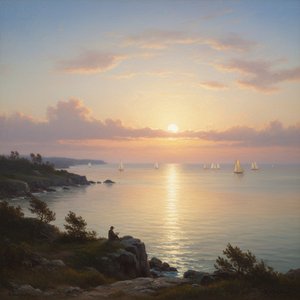
William Trost Richards: Luminismo, Spiritualità e la Tradizione Paesaggistica Americana
Esplora la vita e l'opera di William Trost Richards, maestro del luminismo americano. Approfondisci la sua tecnica pittorica unica, i temi spirituali e l'influenza sulla paesaggistica americana. Scopri perché collezionare le sue opere è un investimento nella bellezza senza tempo.
