


 Anteprima in scala reale
 Invia
Invia Condividi
 Dettagli opera
 Guida
Guida

 Scarica
 Simili
 Radiografia
 Slideshow
 Statistiche
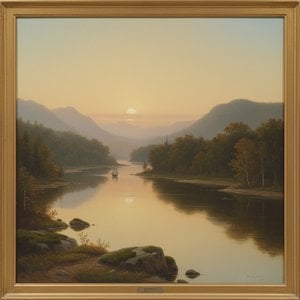
Path Through the Mountains


 Espandi i dettagli
Riproduzione a olio fatta a mano
Olio su tela dipinto a mano nelle tue dimensioni e con la tua cornice, realizzato su ordinazione dai nostri artisti. ( Passa alle stampe Passa all'immagine digitale)




P118B €10

P118H €10

P118W €10

P438Z €10

P508JH €12

P508YH €12

P805H €10

P805Z €10

P919BZ €10

P919G €10

P919XJ €10

P959ZH €10

P968JZ €12

W106C €8

W218G €10

W218JH €8

W218Y €10

W307PJ €10

W316G €10

W316PJ €8

W316Y €10

W398PJ €8

W4111J €10

W500HY €15

W500JH €15

W692G €12

W849H €8

W940BG €15

W953PJ €8




Scegli tra le nostre dimensioni predefinite, che rispettano le proporzioni originali dell'opera d'arte.

Inserisci la larghezza e l'altezza desiderate, per adattarle alla tua cornice o alla tua parete. Trattandosi di un'opera dipinta a mano, in caso di dimensioni con un formato differente, l'artista può estendere leggermente il dipinto oltre i bordi dell'immagine o ritagliare una piccola parte — la scelta spetta a te. Ti invieremo un mockup digitale da approvare prima che la realizzazione abbia inizio. L'immagine mostrata in questa pagina non rappresenta il risultato finale — solo il mockup lo fa.
Dopo l'ordine, il team di ArtsDot.com contatterà il cliente via e-mail per ricevere le istruzioni e fornirà un'anteprima del mockup
Consegna in tutto il mondo () in 3/4 settimane anziché nelle normali 5 settimane. (27 Ottobre). Nessun compromesso sulla qualità.

Spedizione espressa gratuita in tutto il mondo

Tela in lino di alta qualità

Assicurazione completa sulla spedizione

Garanzia di rimborso dei dazi doganali

Garanzia di fedeltà cromatica assoluta

Politica di reso entro 100 giorni (solo per difetti di fabbricazione)

Garanzia di rimborso al 100%

Offerta per acquisti multipli
 L'opzione vetro è disponibile solo per dimensioni inferiori a 110 cm

Path Through the Mountains
Tecnica di riproduzione
Dimensioni riproduzione
-


Prezzo finale calcolato
€ 231
A Symphony of Stone and Sky
In the mid-19th century, as the American landscape was being explored both physically and artistically, William Trost Richards captured a moment of profound stillness in his 1858 masterpiece, Path Through the Mountains. This breathtaking oil on canvas serves as more than just a depiction of geography; it is an invitation into a sanctuary of natural perfection. The viewer is immediately drawn into a world where snow-capped peaks pierce a serene sky, their jagged silhouettes softened by the ethereal light of a high-altitude afternoon. A winding river, acting as a silver thread through the valley, guides the eye past ancient trees and through rugged terrain, creating a composition that feels both expansive and intimately contained.
Richards, a pivotal figure associated with the Hudson River School, brings a level of scientific precision to this work that distinguishes it from the more overtly dramatic works of his contemporaries. While many artists of the era sought to provoke awe through turbulent storms or exaggerated shadows, Richards utilized a technique rooted in meticulous observation. His brushwork, though expressive enough to capture the texture of granite and the softness of drifting snow, maintains a clarity that borders on the photographic. This delicate balance between realism and romanticism allows the painting to breathe, offering a sense of depth that makes the mountain range appear to stretch infinitely toward the horizon.
The Harmony of the Natural Order
Beyond its technical brilliance, Path Through the Mountains carries a deep symbolic resonance. The composition is a study in harmony, where the permanence of the mountains meets the transient flow of the river. To the discerning collector or interior designer, this piece offers a sense of enduring tranquility. The inclusion of the valley floor—lush with life and anchored by steady trees—serves as a metaphor for the human connection to the earth, suggesting that even amidst the grand and intimidating scale of nature, there exists a path of peace and stability.
For those looking to elevate a living space or a professional gallery, a high-quality reproduction of this work provides an immediate focal point of sophistication. The cool tones of the snow and the deep, earthy hues of the forest create a calming atmosphere, making it an ideal selection for rooms designed for reflection and quietude. Owning a hand-painted tribute to Richards' vision is not merely about decorating a wall; it is about bringing a piece of American art history into the modern home, preserving the spirit of the 19th-century landscape movement for generations to come.
Domande e risposte
È disponibile un download ad alta risoluzione di "Path Through the Mountains"?
È possibile acquistare un'immagine digitale di "Path Through the Mountains" di William Trost Richards nella sua pagina Immagine digitale ad alta risoluzione: download di un'immagine digitale ad alta risoluzione.
È possibile visualizzare "Path Through the Mountains" di William Trost Richards sotto diverse illuminazioni?
"Path Through the Mountains" può essere esaminata strato dopo strato nella pagina Raggi X dell'opera, un visualizzatore ispirato al banco luminoso di un restauratore che offre undici letture ottiche dell'immagine.
In che anno è stata realizzata "Path Through the Mountains"?
"Path Through the Mountains" risale al 1858. Questa data colloca l'opera all'interno della carriera di William Trost Richards e del suo periodo storico.
Opere simili


Biografia dell'artista
Primi anni e formazione
William Trost Richards, un importante artista paesaggista americano, nacque il 14 novembre 1833 a Filadelfia, Pennsylvania. Tra il 1850 e il 1855, studiò part-time con l'artista tedesco Paul Weber mentre lavorava come progettista e illustratore di lavori in metallo ornamentale.Carriera artistica
La sua prima esposizione pubblica fu parte di una mostra a New Bedford, Massachusetts, organizzata dall'artista Albert Bierstadt nel 1858. Nel 1862, fu eletto membro onorario della National Academy of Design e accademico nel 1871. Richards trascorse gli estati sulla costa orientale per sei anni dopo il suo ritorno da un viaggio di un anno in Europa nel 1866.Opere notevoli e stile
Richards produsse molte opere acclamate, tra cui vedute acquerellate delle White Mountains, diverse delle quali si trovano ora nella collezione del Metropolitan Museum of Art. Le sue opere sono oggi esposte in molti importanti musei americani, tra cui la National Gallery, il Saint Louis Art Museum e lo Smithsonian American Art Museum. Lo stile di Richards è caratterizzato da resoconti fattuali meticolosi, rifiutando l'approccio romanticizzato di altri pittori della Hudson River School. Le sue vedute delle White Mountains sono quasi fotografiche nel loro realismo.Eredità
La figlia di William Trost Richards, Anna Richards Brewster, divenne anch'essa una pittrice. Le opere di Richards si possono trovare in vari musei, tra cui quelli menzionati sopra e il Thyssen-Bornemisza Museum e il Crystal Bridges Museum of American Art. Date importanti: * 14 novembre 1833: nato a Filadelfia, Pennsylvania * 1862: eletto membro onorario della National Academy of Design * 1871: eletto accademico * 8 novembre 1905: deceduto a Newport, Rhode Island
William Trost Richards
1833 - 1905 , Stati Uniti d'America
Dettagli rapidi
- Artisti Influenti:
- Paul Weber
- Albert Bierstadt
- Data Di Nascita: 14 novembre 1833
- Luogo Di Nascita: Filadelfia, USA
- Movimento Artistico: Hudson River School
- Nazionalità: Americana
- Nome Completo: William Trost Richards
- Opere Notevoli: ['Lago Avernus']
- Stile Artistico: Realismo, Watercolor
Articoli correlati

Robert Spencer: Luminism, Narrative & the American Landscape Tradition
Explore the captivating world of Luminism & the Hudson River School with our expert analysis. Discover the history, artists, and enduring beauty of 19th-century American landscape painting. Find museum-quality reproductions at ArtsDot.

Flowing Narratives: Rivers in Painting – A Historical Exploration
Explore the rich history of rivers in painting! Discover masterpieces from ancient times to Impressionism & beyond. Learn about symbolism, artists like Monet & Daubigny, and find your perfect serene artwork at ArtsDot.

I 10 Capolavori della Scuola del Fiume Hudson: Arte, Storia e Decorazioni Raffinate
Esplora i 10 capolavori della Scuola del Fiume Hudson: Cole, Church e Bierstadt. Scopri la storia, le tecniche e l'emozione di questi iconici paesaggi americani. Trova riproduzioni artistiche di alta qualità su ArtsDot.com!

The Sublime Landscape: Exploring the Hudson River School Movement
Explore the captivating world of the Hudson River School! Discover the history, artists, and defining characteristics of this iconic American art movement. Learn about Romanticism's influence & find inspiration for your collection.
David Johnson: A Luminist Master of the Hudson River School & Beyond
Explore the captivating landscapes of David Johnson, a key figure in the Hudson River School & Luminism movement. Discover his artistic evolution, legacy, and how to collect his works with ArtsDot.


