
- Home

- Riproduzione olio su tela
- William Hogarth
- Mary Edwards

 Anteprima
 Condividi
 Condividi
 Dettagli

 Scarica immagine
 Articoli simili
 Radiografia
 Slideshow
Mary Edwards

 Leggi tutto
Riproduzione a olio fatta a mano
Olio su tela dipinto a mano nelle tue dimensioni e con la tua cornice, realizzato su ordinazione dai nostri artisti. ( Passa alla stampa Passa all'immagine)




P118B $10

P118H $10

P118W $10

P438Z $10

P508JH $12

P508YH $12

P805H $10

P805Z $10

P919BZ $10

P919G $10

P919XJ $10

P959ZH $10

P968JZ $12

W106C $8

W218G $10

W218JH $8

W218Y $10

W307PJ $10

W316G $10

W316PJ $8

W316Y $10

W398PJ $8

W4111J $10

W500HY $15

W500JH $15

W692G $12

W849H $8

W940BG $15

W953PJ $8




Scegli tra le nostre dimensioni predefinite, che rispettano le proporzioni originali dell'opera d'arte.

È possibile inserire dimensioni personalizzate per adattare l'opera a una cornice o a uno spazio specifico. Se la dimensione selezionata non corrisponde alle proporzioni dell'immagine originale, provvederemo a ritagliare l'opera o a estendere il dipinto con elementi aggiuntivi dipinti a mano. Un mockup digitale ti sarà inviato per approvazione prima dell'inizio della produzione.
Si prega di notare che l'anteprima a schermo non riflette il ritaglio o l'estensione effettivi. Solo il mockup mostrerà accuratamente la composizione finale.
Sebbene siano disponibili dimensioni personalizzate, consigliamo di selezionare una dimensione dall'elenco predefinito per preservare le proporzioni originali.
Dopo l'ordine, il team di ArtsDot.com invierà un'e-mail al cliente con le istruzioni e fornirà un'anteprima del mockup
Consegna in tutto il mondo () in 3/4 settimane anziché nelle normali 5 settimane. (31 Luglio). Nessun compromesso sulla qualità.

Spedizione espressa gratuita in tutto il mondo

Tela in lino di alta qualità

Assicurazione completa sulla spedizione

Garanzia di rimborso dei dazi doganali

Garanzia di fedeltà cromatica dell'originale

Politica di reso entro 60 giorni (solo per difetti di fabbricazione)

Garanzia di rimborso al 100%

Offerta per acquisti multipli
 L'opzione vetro è disponibile solo per dimensioni inferiori a 110 cm

Mary Edwards
Tecnica di riproduzione
Dimensioni della riproduzione
-


Prezzo totale
$ 263
Descrizione dell'opera
A Moment of Quiet Contemplation: William Hogarth’s “Mary Edwards”
William Hogarth's "Mary Edwards," a captivating portrait rendered with his signature meticulous detail and sharp social observation, offers more than just a likeness; it presents a carefully constructed tableau of domesticity and quiet introspection. Painted around the mid-18th century, this work exemplifies Hogarth’s unique approach to genre painting – moving beyond mere representation to deliver a subtle commentary on the roles and expectations placed upon women within the burgeoning urban landscape of London. The scene unfolds within a modestly furnished interior, likely a parlor or study, bathed in soft light that suggests an afternoon repose. At the heart of the composition sits Mary Edwards, a woman of evident grace and intelligence, absorbed in a book. Her posture is relaxed yet dignified, her gaze directed inward, hinting at a world of thought and imagination contained within those pages.
Beside her rests her loyal dog, a creature of gentle demeanor that mirrors the serenity of the scene. The inclusion of the animal isn’t merely decorative; it speaks to the close bonds between humans and animals in 18th-century life – a shared space of companionship and mutual affection. The dining table behind them, adorned with simple tableware and a clock, anchors the composition within the realities of daily existence. The clock, a recurring motif in Hogarth’s work, serves as a subtle reminder of time's relentless passage, adding a layer of temporal awareness to the scene.
Hogarth’s Technique: A Masterclass in Detail and Observation
Hogarth was renowned for his painstaking technique, honed during his early apprenticeship as an engraver. This training instilled within him an unparalleled ability to render texture, light, and shadow with astonishing accuracy. In “Mary Edwards,” this skill is immediately apparent. Notice the subtle variations in the fabric of Mary’s dress – the delicate folds, the sheen of the material, all meticulously captured. The dog's fur is rendered with a remarkable level of detail, conveying its softness and warmth. Hogarth’s use of chiaroscuro—the dramatic contrast between light and dark—further enhances the sense of depth and realism within the painting. He masterfully employs this technique to draw the viewer’s eye towards Mary’s face, emphasizing her expression of quiet contemplation.
Furthermore, Hogarth's approach extended beyond mere technical proficiency; he was a keen observer of human behavior. He didn’t simply paint what he saw but sought to capture the essence of his subjects – their personalities, their social standing, and their place within the broader context of society. This is particularly evident in Mary Edwards’ posture and expression, which suggest a woman of independent thought and quiet dignity.
Symbolism and Social Commentary
While seemingly a simple portrait, “Mary Edwards” carries subtle layers of symbolic meaning. The book she reads likely represents her intellectual pursuits – a rare privilege for women of the era. It speaks to a desire for knowledge and self-improvement, hinting at a woman who transcends the traditional roles assigned to her by society. The dog, as mentioned earlier, symbolizes companionship and loyalty, but also perhaps a connection to the natural world—a grounding force amidst the complexities of urban life.
Considering this painting within the context of Hogarth’s broader oeuvre reveals a consistent thread of social commentary. He frequently used his art to critique the moral failings and societal injustices of his time. While “Mary Edwards” lacks the overt satire of works like *A Rake's Progress*, it subtly challenges conventional notions of female roles, suggesting that women possessed intellectual capabilities beyond mere domesticity. It’s a quiet assertion of agency within a restrictive social framework.
A Legacy of Insight: Mary Stella Edwards and Beyond
Interestingly, the subject of this painting bears a striking resemblance to Mary Stella Edwards (1893-1989), an English painter herself. While separated by over two centuries, both women shared a passion for art and a desire to capture moments of quiet beauty. Edwards’ own work often featured domestic scenes and portraits, reflecting a similar interest in the lives of ordinary people. The connection between Hogarth's "Mary Edwards" and Edwards highlights the enduring appeal of portraying intimate human experiences.
Today, ArtsDot offers meticulously crafted hand-painted reproductions of “Mary Edwards,” allowing you to bring this remarkable work into your home or office. Each reproduction is created by skilled artisans who replicate Hogarth’s technique with exceptional precision, ensuring that the painting's beauty and detail are faithfully preserved. Whether you are an art enthusiast, a collector, or simply seeking a piece of timeless elegance, a ArtsDot reproduction of “Mary Edwards” offers a unique opportunity to connect with one of Britain’s most influential artists.
Opere correlate


Biografia dell'artista
vitae e influenze
William Hogarth, un artista inglese multiforme, nacque il 10 novembre 1697 a Londra. La sua giovinezza fu segnata dalla sua apprendistato presso l'incisore Ellis Gamble nei Leicester Fields, dove sviluppò le sue abilità nell'incisione di cartelli commerciali. Questa esperienza influenzò notevolmente il suo tono artistico, spesso caratterizzato da un margine critico e pungente.carriera artistica
La gamma creativa di Hogarth si estendeva dalla pittura di ritratti realistici alle serie pittoriche a tema "moralità moderna" in stile comico-pittorico. È famoso per le sue opere A Harlot's Progress, A Rake's Progress e Marriage a-la-Mode. Il suo stile distintivo divenne così influente che illustrazioni satiriche politiche simili venivano spesso definite "hogarthiane".opere notevoli e loro significato
- Il contratto matrimoniale (classicismo, olio su tela): questo dipinto mostra la maestria di Hogarth nella satira, criticando le narrazioni sociali del suo tempo. [https://ArtsDot.com/@@/8bwmb6-william-hogarth-the-marriage-contract](https://ArtsDot.com/@@/8bwmb6-william-hogarth-the-marriage-contract)
- A Harlot's Progress (arte satirica, incisione): questa serie di dipinti è una testimonianza della capacità di Hogarth di catturare la forma umana con grazia e potenza, spesso incorporando contenuti sessualmente espliciti. [https://ArtsDot.com/@/william-hogarth](https://ArtsDot.com/@/william-hogarth)
eredità e influenza
L'arte di Hogarth ottenne un'immensa popolarità ed è stata prodotta in serie attraverso stampe, rendendolo l'artista inglese più significativo del suo tempo. Charles Lamb, lo scrittore saggista, ha osservato famosamente che le immagini di Hogarth erano come libri da leggere piuttosto che semplicemente guardare.musei e collezioni
Il British Museum, con la sua vasta collezione di oggetti d'arte e antichità culturali, è un importante istituto nel Regno Unito. [https://en.wikipedia.org/wiki/british_museum](https://en.wikipedia.org/wiki/british_museum) Sebbene non sia specificamente incentrato sul lavoro di Hogarth, rappresenta il contesto più ampio dell'arte e della cultura britannica.conclusione
L'eredità di William Hogarth come artista satirico continua a influenzare il mondo dell'arte. Le sue opere, come Il contratto matrimoniale e A Harlot's Progress, rimangono significative non solo per il loro valore artistico ma anche per la loro critica acuta delle narrazioni sociali. Esplora altre opere di Hogarth su [https://ArtsDot.com/@/william-hogarth](https://ArtsDot.com/@/william-hogarth).
William Hogarth
1697 - 1764 , Regno Unito
Informazioni rapide
- Artisti Influenti:
- Pieter de Hooch
- Jonathan Swift
- Artisti Influenzati:
- James Gillray
- George Cruikshank
- Data Di Nascita: 10 novembre 1697
- Luogo Di Nascita: Londra, Regno Unito
- Movimento Artistico: Arte satirica, Realismo
- Nazionalità: Britannico
- Nome Completo: William Hogarth
- Opere Notevoli:
- A Harlot's Progress
- A Rake's Progress
- Marriage A-la-Mode
Articoli correlati

Crimson Threads of Narrative: Exploring Symbolism & Representation in Artworks Featuring the Red Dress
Explore the rich symbolism of the red dress in art history! From ancient power displays to iconic portraits like Cézanne’s 'Madame Cezanne', discover the cultural and artistic significance behind this captivating color. Expert analysis & insights.

Risonanza Emotiva nell'Interior Design: Selezione di Dipinti per Spazi Armoniosi
Trasforma la tua casa con l'arte! Scopri come selezionare dipinti che evocano emozioni e benessere. Consulenza d'arredo esperta e opere di alta qualità per spazi armoniosi.

The Enduring Gaze: A Historical & Artistic Exploration of Portrait Painting Across Cultures
Explore the rich history of portrait painting with expert insights into Renaissance masterpieces & modern innovations. Discover artists, movements & commission a custom oil painting at ArtsDot.
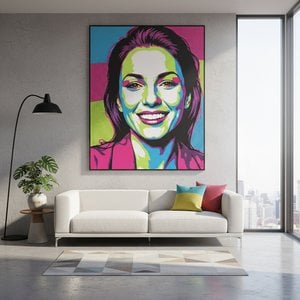
Dall'istantanea alla dichiarazione d'arte: la Pop Art personalizzata come fulcro contemporaneo dell'interior design
Trasforma le tue foto in straordinarie opere Pop Art personalizzate con ArtsDot! Qualità artigianale, artisti esperti e consulenza gratuita. Un investimento unico per la tua casa.

John Singer Sargent: I 25 Capolavori Immortali per Arredare con Stile
Esplora i 25 capolavori di John Singer Sargent, pittore americano simbolo dell'Impressionismo e del Gilded Age. Ritratti iconici, acquerelli luminosi e storie affascinanti. Trova la tua opera d'arte ideale su ArtsDot.com!



