

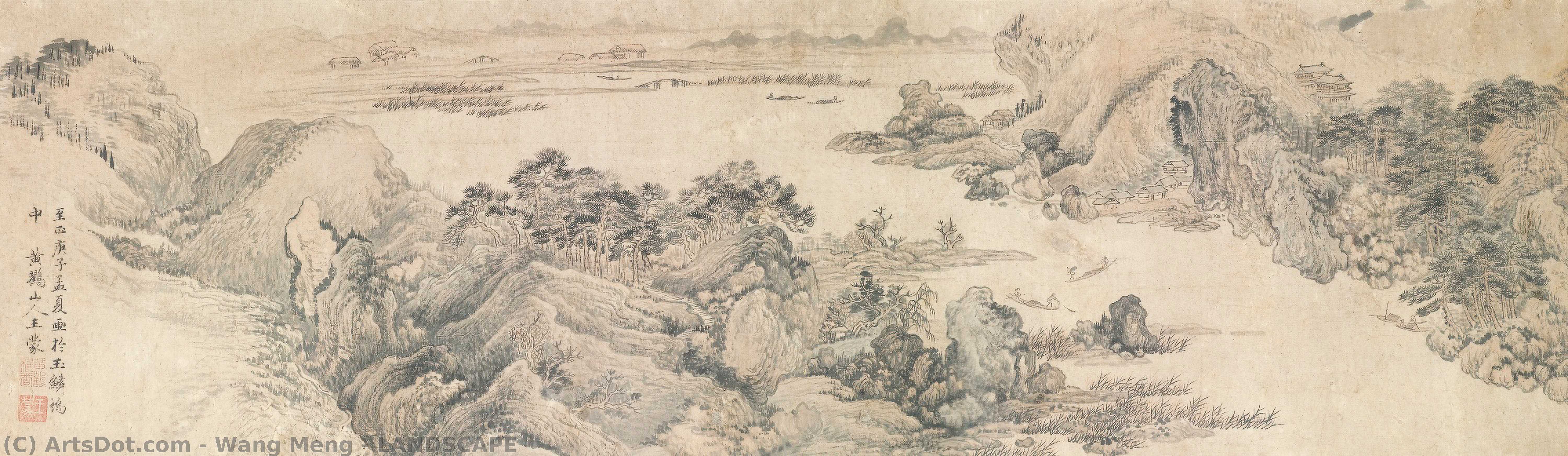
 Anteprima in scala reale
 Condividi
 Condividi
 Dettagli

 Scarica immagine
 Articoli simili
 Radiografia
 Slideshow
LANDSCAPE
 Yuan Dynasty Landscape Painting
 38.0 x 129.0 cm
 Leggi tutto
Acquista un'immagine digitale ad alta risoluzione e ottimizzata, di qualità nettamente superiore all'anteprima online.
Ogni file è meticolosamente preparato dai nostri specialisti interni attraverso l'uso di strumenti avanzati e un sapiente ritocco manuale. Garantiamo che ogni immagine presenti una chiarezza eccezionale, una precisione cromatica impeccabile e dettagli raffinati.
Il file finale viene consegnato via e-mail entro 72 ore, ottimizzato per un uso immediato in contesti professionali, editoriali e di stampa. Si tratta della stessa qualità affidata ai più prestigiosi studi di design, editori e gallerie d'arte.
Immagine Digitale
Scarica un file ad alta risoluzione per uso personale, per la stampa e per progetti creativi. ( Passa alla stampa Passa alla versione dipinta a mano)
Incluso in ogni acquisto di immagini digitali
Consegna digitale professionale e garantita
Quando scegli ArtsDot.com, non riceverai solo un'immagine: riceverai un'opera d'arte digitale professionalmente ottimizzata, realizzata con la massima precisione e accompagnata da una garanzia di soddisfazione. Ecco tutto ciò che include il tuo ordine, automaticamente:

Consegna rapida via email
Riceverai il file dell'immagine digitale ad alta risoluzione via email entro 72 ore dall'ordine, pronto per un uso immediato.

File digitale potenziato dall'IA
La tua opera d'arte viene ottimizzata professionalmente attraverso l'uso di strumenti avanzati di intelligenza artificiale e una revisione manuale, garantendo il massimo livello di dettaglio, nitidezza e accuratezza cromatica.

Riconsegna gratuita a vita
Hai eliminato o perso accidentalmente il tuo file? Non preoccuparti: te lo invieremo di nuovo in qualsiasi momento, gratuitamente.

Nessun costo di importazione, mai
Goditi la tua opera d'arte istantaneamente senza costi doganali, dazi o spese di spedizione: i download digitali sono sempre esenti da tasse.

Garanzia di fedeltà cromatica
Garantiamo che la tua immagine digitale rifletta i colori originali con la massima fedeltà, grazie all'uso di strumenti professionali e a una gestione accurata del colore.

Garanzia soddisfazione 60 giorni
Se non sei soddisfatto della tua immagine digitale, la revisioneremo o ti rimborseremo il 100% entro 60 giorni, senza domande.

Garanzia di rimborso al 100%
Non sei soddisfatto? Ricevi un rimborso completo entro 60 giorni dal ricevimento del tuo file digitale, senza dover fornire spiegazioni.

Sconti per ordini multipli
Acquista 3 immagini, risparmia il 10% - Acquista 5, risparmia il 15% - Acquista 10+, risparmia il 20%. Ideale per progetti creativi, gallerie e agenzie.
Opere correlate


Biografia dell'artista
Wang Meng: The Ropy Brush and the Silent Landscape
Born in Wuxing, Zhejiang province – now Huzhou – around 1308, Wang Meng stands as a pivotal figure within the artistic landscape of the Yuan Dynasty (1271-1368). His life was marked by both privilege and profound misfortune; he descended from Zhao Mengfu, a prominent Song Dynasty official and artist, inheriting a lineage steeped in cultural significance. However, his later years were tragically consumed by false accusations of treason against the Ming Emperor Taizu, resulting in five years spent imprisoned – an experience that profoundly shaped his artistic vision and ultimately contributed to his unique style.
Wang Meng’s place within art history is firmly secured as one of the “Four Masters” of the Yuan Dynasty alongside Huang Gongwang, Wu Zhen, and Ni Zan. This esteemed group distinguished themselves by rejecting the patronage of the Mongol rulers who had conquered China, choosing instead to remain independent artists working primarily on paper rather than the traditional silk canvases favored by previous generations. This decision reflected a deep conviction that landscapes held the key to unlocking deeper truths – a philosophy central to their artistic practice.
A Style Defined by Texture and Movement
Unlike the more restrained approaches of his contemporaries, Wang Meng’s paintings are characterized by an extraordinary density and dynamism. His brushstrokes—often described as “ropy” or “layered”—were meticulously applied in thick, overlapping patterns, creating a palpable sense of texture and movement. This technique wasn't simply decorative; it was a deliberate attempt to capture the essence of nature – its complexity, its energy, and its inherent instability. He eschewed the smooth, polished surfaces favored by earlier landscape painters, embracing instead a more tactile and expressive approach.
Wang Meng’s compositions are often densely populated with elements—trees, rocks, mountains, streams—creating an immersive experience for the viewer. He avoided clear focal points or dramatic perspectives, preferring to present a holistic view of the natural world, inviting contemplation rather than immediate recognition. This deliberate ambiguity is a hallmark of his style and reflects his belief in the interconnectedness of all things.
Key Works and Artistic Influences
Among Wang Meng’s most celebrated works are “Ge Zhichuan Relocating” (a depiction of a scholar moving to a new location), “Forest Grotto at Juqu,” “Writing Books Under the Pine Trees,” “The Simple Retreat,” and “Dwelling in the Qingbian Mountains.” These paintings, now housed in prestigious museums worldwide – including the Palace Museum, National Palace Museum, Shanghai Museum, Cleveland Museum of Art, and the Metropolitan Museum of Art – demonstrate his mastery of technique and his profound understanding of landscape painting. Notably, "Ge Zhichuan Relocating" sold for an astonishing $62.1 million at auction in 2011, a testament to its artistic merit and historical significance.
Wang Meng’s style was profoundly influenced by the landscape painters who preceded him – Wang Wei, Dong Yuan, and Juran – but he developed his own distinctive voice through his innovative use of brushwork and composition. He also drew inspiration from the literati tradition, a movement that emphasized personal expression and intellectual engagement with nature. His work stands as a bridge between these traditions, forging a new path for Chinese landscape painting.
Legacy and Historical Significance
Despite his relatively obscure status during his lifetime, Wang Meng’s influence on subsequent generations of Chinese painters is undeniable. Dong Qichang, a prominent scholar-artist of the Southern Song Dynasty, greatly admired Wang Meng's style and incorporated elements of it into his own work. Wang Meng’s ropy brushstrokes and dense compositions became a defining characteristic of landscape painting for centuries to come.
His decision to reject court patronage and remain an independent artist also holds significant historical importance. It reflects a growing sense of artistic autonomy and a desire to preserve traditional values in the face of foreign rule. Wang Meng’s life and work serve as a powerful reminder of the enduring power of art to transcend political boundaries and express profound human truths. He remains a vital figure in understanding the evolution of Chinese landscape painting and its continuing relevance today.

wang meng
1308 - 1385
In breve
- Artistic Movement Or Style: Yuan Dynasty Landscape Painting
- Artists Or Movements Influenced By This Artist:
- Huang Gongwang
- Wu Zhen
- Ni Zan
- Dong Qichang
- Artists Who Influenced This Artist:
- Wang Wei
- Dong Yuan
- Juran
- Date Of Birth: c. 1308
- Date Of Death: 1385
- Full Name: Wang Meng (王蒙)
- Nationality: Chinese
- Notable Artworks:
- Ge Zhichuan Relocating
- Forest Grotto at Juqu
- Writing Books under Pine Trees
- The Simple Retreat
- Dwelling in Qingbian Mountains
- Place Of Birth: Wuxing, Zhejiang, China

