


 Anteprima in scala reale
 Condividi
 Condividi
 Dettagli
 Guida
Guida

 Scarica
 Articoli simili
 Radiografia
 Slideshow
 Statistiche
Peasant Boy, Digging


 Leggi tutto
Riproduzione a olio fatta a mano
Olio su tela dipinto a mano nelle tue dimensioni e con la tua cornice, realizzato su ordinazione dai nostri artisti. ( Passa alle stampe Passa all'immagine digitale)




P118B $10

P118H $10

P118W $10

P438Z $10

P508JH $12

P508YH $12

P805H $10

P805Z $10

P919BZ $10

P919G $10

P919XJ $10

P959ZH $10

P968JZ $12

W106C $8

W218G $10

W218JH $8

W218Y $10

W307PJ $10

W316G $10

W316PJ $8

W316Y $10

W398PJ $8

W4111J $10

W500HY $15

W500JH $15

W692G $12

W849H $8

W940BG $15

W953PJ $8




Scegli tra le nostre dimensioni predefinite, che rispettano le proporzioni originali dell'opera d'arte.

È possibile inserire dimensioni personalizzate per adattare l'opera a una cornice o a uno spazio specifico. Se la dimensione selezionata non corrisponde alle proporzioni dell'immagine originale, provvederemo a ritagliare l'opera o a estendere il dipinto con elementi aggiuntivi dipinti a mano. Un mockup digitale ti sarà inviato per approvazione prima dell'inizio della produzione.
Si prega di notare che l'anteprima a schermo non riflette il ritaglio o l'estensione effettivi. Solo il mockup mostrerà accuratamente la composizione finale.
Sebbene siano disponibili dimensioni personalizzate, consigliamo di selezionare una dimensione dall'elenco predefinito per preservare le proporzioni originali.
Dopo l'ordine, il team di ArtsDot.com contatterà il cliente via e-mail per ricevere le istruzioni e fornirà un'anteprima del mockup
Consegna in tutto il mondo () in 3/4 settimane anziché nelle normali 5 settimane. (21 Settembre). Nessun compromesso sulla qualità.

Spedizione espressa gratuita in tutto il mondo

Tela in lino di alta qualità

Assicurazione completa sulla spedizione

Garanzia di rimborso dei dazi doganali

Garanzia di perfetta fedeltà cromatica

Politica di reso entro 100 giorni (solo per difetti di fabbricazione)

Garanzia di rimborso al 100%

Sconto per acquisti multipli
 L'opzione vetro è disponibile solo per dimensioni inferiori a 110 cm

Peasant Boy, Digging
Tecnica di riproduzione
Dimensioni della riproduzione
-


Prezzo totale
$ 263
The Quiet Dignity of Labor: A Study in Monochrome
In the somber, evocative depths of Vincent van Gogh’s 1885 drawing, Peasant Boy, Digging, we encounter a moment of profound stillness amidst physical exertion. This work, captured in stark black and white, serves as a poignant window into Van Gogh’s early fascination with the rural working class. The composition centers on a young man, his body contorted by the heavy demands of manual labor, as he diligently shovels soil into a bucket. There is no grand heroism here, no sweeping epic of conquest; instead, we find a meditation on the quiet resilience of the human spirit. Every line of the boy's posture—the straining muscles and the low, focused bend—speaks to the rhythmic, repetitive nature of agricultural life, transforming a simple chore into a sacred ritual of survival.
For the discerning collector or interior designer, this piece offers a masterclass in tonal balance. The absence of color does not diminish the work; rather, it strips away distractions, forcing the viewer to confront the raw texture of the subject. The way the light catches the worn fabric of his overalls and the heavy weight of the earth creates a sense of palpable realism that is both grounding and deeply moving. It is an artwork that commands attention through its gravity, making it a sophisticated choice for spaces that value depth, character, and a connection to the elemental truths of life.
Mastery of Line and the Impressionistic Soul
Technically, Peasant Boy, Digging showcases Van Gogh’s burgeoning mastery of graphic precision. Long before his signature explosion of vibrant yellows and swirling blues, the artist was honing a technique rooted in deliberate hatching and crosshatching. These meticulous strokes do more than merely define shape; they build volume and weight. Through the careful layering of dark and light tones, Van Gogh breathes life into the soil, giving it a gritty, tactile quality that feels as though one could reach out and touch the damp earth. This textured approach creates a dynamic diagonal movement across the canvas, leading the eye from the boy's focused gaze down to the heavy bucket, mirroring the physical flow of his labor.
While the piece is firmly anchored in the realism of his early Dutch period, one can sense the seeds of Impressionism beginning to sprout. There is a rhythmic energy in the way he renders light and shadow, a precursor to the expressive brushwork that would later define his legacy. This intersection of meticulous detail and emotional movement provides an enduring aesthetic appeal. A high-quality reproduction of this drawing allows the intricate linework to shine, offering a sophisticated textural element to any curated collection or thoughtfully designed room, providing a sense of historical weight and artistic soul.
A Legacy of Resilience for the Modern Space
Beyond its technical brilliance, the emotional resonance of this work lies in its vulnerability. Van Gogh had an unparalleled ability to find beauty in the overlooked and dignity in the difficult. In the boy's focused eyes and the heavy strain of his task, we see a reflection of the universal human struggle—the persistence required to cultivate life from the ground. This theme of rural resilience makes the artwork timeless, bridging the gap between the nineteenth-century peasantry and the modern observer who finds meaning in perseverance.
Integrating such a piece into a contemporary interior provides an anchor of authenticity. Whether placed in a minimalist gallery setting or a warm, traditional study, the drawing acts as a focal point of contemplative strength. It invites conversation about the nature of work, the beauty of simplicity, and the enduring power of the human hand. For those seeking to decorate with intention, Peasant Boy, Digging is not merely a depiction of a moment in time; it is an invitation to appreciate the profound grace found within the most humble of existences.
Opere correlate


Biografia dell'artista
Vincent van Gogh: Vita, Arte e Eredità
Primi Anni di Vita e Influenze
- Nato il 30 marzo 1853 a Groot-Zundert, nei Paesi Bassi, Vincent Willem van Gogh era il maggiore di sei fratelli.
- Suo padre, Theodorus van Gogh, era un ministro protestante e la sua educazione fu profondamente influenzata dalla religione.
- Gli interessi iniziali includevano il disegno, ma intraprese diverse carriere prima di dedicarsi completamente all'arte. Lavorò come mercante d'arte, insegnante e missionario.
- Influenze Chiave: Le influenze iniziali includevano i maestri olandesi come Rembrandt van Rijn e Frans Hals, nonché i pittori francesi contemporanei Jean-François Millet e Camille Corot.
Sviluppo Artistico e Stile
- Van Gogh iniziò a dipingere seriamente nel 1880, principalmente autodidatta.
- Le sue prime opere si concentravano sulla rappresentazione della vita dei contadini e dei lavoratori, riflettendo la sua empatia per la classe operaia.
- Un trasferimento a Parigi nel 1886 lo espose all'Impressionismo e al Post-Impressionismo, portando a una tavolozza più luminosa e alla sperimentazione con nuove tecniche.
- Stile Distintivo: Van Gogh sviluppò uno stile altamente individuale caratterizzato da colori audaci, pennellate espressive e intensità emotiva. Spesso utilizzava l'impasto – strati spessi di vernice – per creare texture e comunicare emozione.
Periodi Chiave e Opere
- Il Periodo Olandese (1880-1886): Focalizzato su tonalità scure e terrose e rappresentazioni della vita rurale. Opere notevoli includono The Potato Eaters.
- Il Periodo Parigino (1886-1888): Sperimentazione con le tecniche impressioniste e colori più brillanti.
- Il Periodo di Arles (1888-1889): Un periodo di intensa creatività segnato da paesaggi vibranti, ritratti e nature morte. Opere chiave includono Sunflower, The Night Café e Starry Night Over the Rhône.
- Saint-Rémy & Auvers-sur-Oise (1889-1890): Dopo una crisi di salute mentale, Van Gogh entrò volontariamente in un ospedale psichiatrico a Saint-Rémy. Gli ultimi anni della sua vita furono segnati da una continua produzione artistica ma anche da crescente angoscia emotiva. Opere notevoli includono The Starry Night e ritratti del Dottor Gachet.
Realizzazioni Principali e Riconoscimenti
- Nonostante lottasse con la malattia mentale e affrontasse il rifiuto durante la sua vita, Van Gogh creò oltre 2.100 opere d'arte in poco più di un decennio – circa 860 dipinti a olio.
- Il suo lavoro ha avuto una profonda influenza sullo sviluppo dell'arte moderna, in particolare l'Espressionismo e il Fauvismo.
- Fama Postuma: Il riconoscimento è arrivato dopo la sua morte nel 1890. Le sue opere hanno guadagnato popolarità crescente nel corso del XX secolo, diventando alcune delle opere d'arte più riconoscibili e preziose al mondo.
Significato Storico ed Eredità
- L'arte di Van Gogh continua a risuonare con il pubblico di oggi grazie alla sua onestà emotiva, ai colori vivaci e all'espressione potente dell'esperienza umana.
- È considerato uno dei personaggi più importanti nella storia dell'arte occidentale, ispirando generazioni di artisti.
- La sua vita è diventata un simbolo dell'"artista tormentato", sebbene questa narrativa spesso oscuri la sua dedizione, abilità e visione artistica.
- Musei in tutto il mondo, tra cui il Van Gogh Museum ad Amsterdam, espongono le sue opere e celebrano la sua duratura eredità.

vincent willem van gogh
1853 - 1890 , Paesi Bassi
Informazioni rapide
- Artistic Movement Or Style: Post-Impressionismo
- Artists Or Movements Influenced By This Artist:
- Espressionismo
- Fauvismo
- Artists Who Influenced This Artist:
- Rembrandt
- Millet
- Date Of Birth: 30 marzo 1853
- Date Of Death: 29 luglio 1890
- Full Name: Vincent Willem van Gogh
- Nationality: Olandese
- Notable Artworks:
- Notte stellata
- Girasoli
- La notte del caffè
- Place Of Birth: Zundert, Paesi Bassi
Articoli correlati
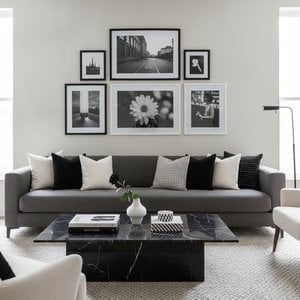
Timeless & Chic: Elevating Your New Home with the Sophistication of Black and White Photography
Transform your new home with the timeless allure of black and white photography. ArtsDot.com specializes in elegant monochrome decor and custom hand-painted wedding portraits that turn cherished milestones into lasting, soulful masterpieces. Elevate your space with ease.

Bianco Sublime: I 10 Dipinti Più Famosi Dominati dal Colore Bianco | .it
Esplora i 10 dipinti più celebri dominati dal bianco, da Monet a Malevich. Scopri la storia, le tecniche e l'impatto di queste opere iconiche. Trova stampe su tela e riproduzioni d'arte di alta qualità per decorare casa con stile su .

Monochrome Visions: Exploring the Aesthetic & Historical Significance of Black & White Photography
Explore the rich history & artistic power of black and white photography. From early techniques to iconic masters like Ansel Adams, discover why monochrome continues to captivate art lovers today. Expert insights for collectors.

I 10 Dipinti Più Famosi Dominati dal Nero: Maestri e Storie d'Arte
Esplora i 10 dipinti più iconici dominati dal nero, da Caravaggio a Munch. Scopri storie, tecniche e il potere espressivo di artisti come Rembrandt e Goya. Trova stampe d'arte di alta qualità per la tua casa su .

Paul Cézanne: I 25 Capolavori che Hanno Rivoluzionato l'Arte Moderna | ArtsDot
Esplora i 25 capolavori di Paul Cézanne, il maestro dell'impressionismo e post-impressionismo. Scopri la storia, le tecniche e i colori iconici dietro opere come 'Le grandi bagnanti' e 'Mont Sainte-Victoire'. Trova riproduzioni artistiche di alta qualità per decorare la tua casa su ArtsDot.com.


![Iridi [1889]](/media/artworks/images-thumb/ca/85/ca85582a4fd1dc392efef83ec4dc3124.jpg)

