


 Anteprima in scala reale
 Condividi
 Condividi
 Dettagli

 Scarica immagine
 Articoli simili
 Radiografia
 Slideshow
Cattle Piece
 Dutch Golden Age
 1843
1843 64.0 x 83.0 cm
 Galleria Shire Hall
 Leggi tutto
Giclée / Stampe d'arte
Stampa giclée o su tela di qualità museale, con produzione rapida e diverse opzioni di finitura. ( Passa alla versione dipinta a mano Passa all'immagine)




































Scegli tra le nostre dimensioni predefinite, che rispettano le proporzioni originali dell'opera d'arte.

È possibile inserire dimensioni personalizzate per adattare l'opera a una cornice o a uno spazio specifico. Se la dimensione selezionata non corrisponde alle proporzioni dell'immagine originale, procederemo al ritaglio dell'opera o all'estensione dell'immagine con un bordo specchiato o a tinta unita. Un mockup digitale ti verrà inviato per approvazione prima dell'inizio della produzione.
Si prega di notare che l'anteprima a schermo non riflette il ritaglio o l'estensione effettivi. Solo il mockup mostrerà accuratamente la composizione finale.
Sebbene siano disponibili dimensioni personalizzate, si raccomanda di selezionare una dimensione dall'elenco predefinito per preservare le proporzioni originali.
Consegna in tutto il mondo () in 2 settimane invece delle normali 4/5 settimane. (7 Agosto)

Spedizione espressa gratuita in tutto il mondo

Tela in lino di alta qualità

Assicurazione completa sulla spedizione

Garanzia di rimborso dei dazi doganali

Garanzia di fedeltà cromatica dell'originale

Politica di reso entro 60 giorni (solo per difetti di fabbricazione)

Garanzia di rimborso al 100%

Sconto per acquisti multipli
 L'opzione vetro è disponibile solo per dimensioni inferiori a 110 cm

Cattle Piece
Giclée / Stampe d'arte
Dimensioni della riproduzione
-


Prezzo totale
$ 63
Opere correlate


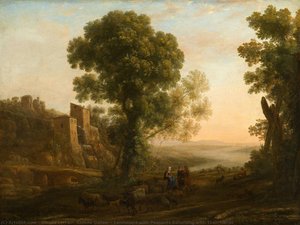


Biografia dell'artista
Thomas Peploe Wood (1817–1845): Staffordshire’s Forgotten Romantic
Thomas Peploe Wood, born in Great Haywood, Staffordshire, on January 1st, 1817, was a British landscape painter whose artistic output remains relatively obscure compared to his contemporaries. Despite producing a considerable number of paintings—approximately sixty—primarily watercolors and oils depicting scenes from Staffordshire’s picturesque countryside, he has largely faded from the annals of art history. His life tragically ended prematurely at the age of 28 on April 4th, 1845, succumbing to tuberculosis, leaving behind a legacy marked by talent overshadowed by circumstance. Wood's artistic journey began without formal training; he honed his skills through self-study and encouragement from architect Thomas Trubshaw, who recognized Wood’s potential and introduced him to influential figures in London’s art world—Dominic Charles Colnaghi, the print dealer, and Sir Francis Chantrey, the sculptor. This connection proved pivotal, propelling Wood into a vibrant artistic milieu where he encountered patrons like William Salt, banker and antiquary, who commissioned him to capture Staffordshire's beauty through grand landscapes and architectural renderings for his ambitious history of Staffordshire project. His stylistic approach leaned heavily toward Romanticism, mirroring the prevailing aesthetic sensibilities of the era. Influenced by artists such as Claude Lorrain and Joshua Reynolds, Wood skillfully employed atmospheric perspective—a technique championed by Reynolds—to convey depth and luminosity in his canvases. He meticulously observed natural light and shadow, striving to capture fleeting moments of beauty with remarkable precision. Watercolor proved to be his favored medium, allowing for delicate tonal gradations and luminous washes that perfectly suited the Staffordshire landscape. However, he also excelled in oil painting, producing textured surfaces and rich color palettes that conveyed a palpable sense of grandeur. Among Wood’s most celebrated works are depictions of Manley Hall, commissioned by Salt as part of his Staffordshire history project—a monumental watercolor capturing the stately manor house amidst rolling hills—and Cattle Piece, showcasing a serene Dutch Golden Age landscape brimming with vibrant colors and masterful brushwork. Furthermore, he created Gypsy Scene, a Baroque oil painting depicting travelers beneath an imposing oak tree, demonstrating his command of dramatic lighting and textural detail. These paintings are now housed in prestigious institutions including the British Museum, Victoria and Albert Museum, Staffordshire County Museum and William Salt Library. Wood’s contribution to Staffordshire's artistic heritage extends beyond his paintings themselves. His younger brother, Samuel Peploe Wood (1827–1873), was a sculptor who created an elaborate memorial cross honoring Thomas and other family members—a testament to their enduring bond and a poignant reminder of the artist’s untimely demise. The cross stands proudly in St Michael and All Angels Church, Colwich, serving as a tangible symbol of Wood's artistic legacy and his connection to Staffordshire’s cultural landscape.- Notable Paintings: Manley Hall, Cattle Piece, Gypsy Scene
- Influences: Claude Lorrain, Joshua Reynolds
- Mediums: Watercolor & Oil Painting
- Patronage: William Salt
- Legacy: Staffordshire Landscape Art History

thomas peploe wood
1817 - 1845
Informazioni rapide
- Artistic Movement Or Style: Landscape Painting
- Artists Or Movements Influenced By This Artist: ['Dutch Golden Age']
- Artists Who Influenced This Artist: ['Thomas Trubshaw']
- Date Of Birth: 1 January 1817
- Date Of Death: 4 April 1845
- Full Name: Thomas Peploe Wood
- Nationality: English
- Notable Artworks:
- Ilam Hall
- Cattle Piece
- Gypsy Scene
- Place Of Birth: Great Haywood, Staffordshire
Articoli correlati

I 10 Capolavori dell'Età d'Oro Olandese: Arte, Storia e Stile per la Tua Casa
Esplora i 10 capolavori dell'Età d'Oro Olandese con ! Rembrandt, Vermeer e altri maestri rivivono in dipinti iconici. Scopri storia, tecnica e colori di opere senza tempo per arredare la tua casa con arte di qualità museale. Esplora la collezione online!

Golden Age Reflections: Dutch Baroque Painting & Cultural Innovation
Explore the Dutch Golden Age of painting! Discover key artists like Vermeer & ter Borch, their innovative techniques, and the rich cultural context behind these Baroque masterpieces. Learn about collecting & appreciating this iconic art period.
Nicolaes Berchem e l'Età dell'Oro Olandese: Un Rifugio Idilliaco tra Realismo e Mito
Esplora l'incantevole mondo di Nicolaes Berchem e la pittura del Secolo d'Oro Olandese. Analisi approfondita, simbolismo nascosto e l'eredità artistica di un maestro del paesaggio arcadiaco.

Paul Cézanne: I 25 Capolavori che Hanno Rivoluzionato l'Arte Moderna | ArtsDot
Esplora i 25 capolavori di Paul Cézanne, il maestro dell'impressionismo e post-impressionismo. Scopri la storia, le tecniche e i colori iconici dietro opere come 'Le grandi bagnanti' e 'Mont Sainte-Victoire'. Trova riproduzioni artistiche di alta qualità per decorare la tua casa su ArtsDot.com.

Charles Leickert: Capturing the Dutch Golden Age Light – A Comprehensive Study of Technique, Context, and Legacy
Explore the captivating winter landscapes of Charles Leickert, a master of Dutch Golden Age light & atmosphere. Discover his techniques, symbolism, and lasting legacy – a comprehensive study for art enthusiasts and collectors.

