

 Anteprima in scala reale
 Invia
Invia Condividi
 Dettagli opera
 Guida
Guida

 Scarica
 Simili
 Radiografia
 Slideshow
 Domande e risposte
 Statistiche
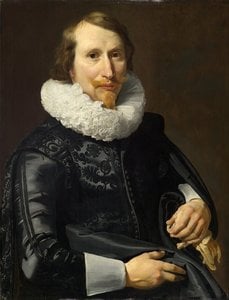
Constantijn Huygens e il suo scriba

- 92.0 x 69.0 cm


 Espandi i dettagli
Giclée / Stampe d'arte
Stampa giclée o su tela di qualità museale, con produzione rapida e diverse opzioni di finitura. ( Acquista il dipinto realizzato a mano Passa all'immagine digitale)




P118B €10

P118H €10

P118W €10

P438Z €10

P508JH €12

P508YH €12

P805H €10

P805Z €10

P919BZ €10

P919G €10

P919XJ €10

P959ZH €10

P968JZ €12

W106C €8

W218G €10

W218JH €8

W218Y €10

W307PJ €10

W316G €10

W316PJ €8

W316Y €10

W398PJ €8

W4111J €10

W500HY €15

W500JH €15

W692G €12

W849H €8

W940BG €15

W953PJ €8




Scegli tra le nostre dimensioni predefinite, che rispettano le proporzioni originali dell'opera d'arte.

Inserisci la larghezza e l'altezza desiderate, per adattarle alla tua cornice o alla tua parete. Una stampa può essere solo ritagliata, mai resa più grande dell'immagine originale; pertanto, un formato con una forma differente comporterà la perdita di una parte dell'opera. Ti invieremo un mockup digitale da approvare prima di procedere con la stampa. L'immagine mostrata in questa pagina non rappresenta il ritaglio reale — solo il mockup lo mostra.
Consegna in tutto il mondo () in 2 settimane invece delle normali 4/5 settimane. (15 Novembre)

Spedizione espressa gratuita in tutto il mondo

Tela in lino di alta qualità

Assicurazione completa sulla spedizione

Garanzia di rimborso dei dazi doganali

Garanzia di fedeltà cromatica assoluta

Politica di reso entro 100 giorni (solo per difetti di fabbricazione)

Garanzia di rimborso al 100%

Offerta per acquisti multipli
 L'opzione vetro è disponibile solo per dimensioni inferiori a 110 cm

Constantijn Huygens e il suo scriba
Giclée / Stampe d'arte
Dimensioni riproduzione
-


Prezzo finale calcolato
€ 56
A Glimpse into the Intellectual Life of the Dutch Golden Age
To stand before Constantijn Huygens and his Clerk is to step directly across the threshold of the seventeenth century, into the richly appointed drawing rooms of Amsterdam’s intellectual elite. This masterful portrait by Thomas de Keyser does more than merely record two figures; it captures a moment suspended in time—a confluence of scholarship, patronage, and quiet authority. The scene unfolds with an almost palpable sense of gravity, suggesting that the exchange occurring between these men was weighty, perhaps involving matters of state, poetry, or profound philosophical debate. Observe the central figure, seated with an air of distinguished contemplation, his hand resting near a book while the quill pen suggests a mind perpetually at work. He embodies the learned gentleman, the man whose thoughts were as valuable as any earthly treasure.
Mastery in Technique and Atmosphere
Thomas de Keyser’s technique here is nothing short of breathtaking. The realism achieved in the rendering of the textures—the heavy drape of the tapestries adorning the walls, the subtle sheen on the dark doublet, the delicate lace at the necklines—speaks to an artist deeply versed in observation. Light does not simply fall upon these figures; it interacts with them, carving out dimensions and lending a three-dimensionality that feels utterly convincing. The palette itself is one of subdued earth tones, creating an atmosphere that is both opulent due to the visible wealth surrounding them, yet intimate enough for deep personal reflection. This careful management of light and shadow, characteristic of the period's finest portraitists, draws the viewer into the quiet drama unfolding before us.
The Symbolism of Scholarship and Status
Every element within this composition seems imbued with symbolic meaning. The book held by Constantijn Huygens is not just an object; it is a testament to knowledge itself. The clerk, standing attentively beside him while holding what appears to be a small repository of documents, represents the diligent support structure necessary for genius—the indispensable partnership between the visionary and the executor. Furthermore, the very act of both figures meeting the viewer’s gaze creates an immediate, compelling connection. They invite us, the modern observer, into their circle, making us complicit in their sophisticated world.
A Timeless Piece for Contemporary Interiors
For the discerning collector or interior designer, this reproduction offers more than just decoration; it offers narrative depth. Imagine this piece gracing a library, a study, or an elegant reception room. Its historical weight grounds any space in a sense of enduring culture and refined taste. The quiet drama captured by de Keyser—the blend of personal intellect against the backdrop of societal grandeur—lends an immediate air of cultivated history to your walls. It is a conversation starter, whispering tales of Dutch diplomacy and artistic patronage across the centuries.
Domande e risposte
In che anno è stata realizzata l'opera "Constantijn Huygens e il suo scriba" di Thomas De Keyser?
"Constantijn Huygens e il suo scriba" risale al 1627. Questa data colloca l'opera all'interno della carriera di Thomas De Keyser e del suo periodo storico.
Quando è stata creata "Constantijn Huygens e il suo scriba" e a quale movimento appartiene?
"Constantijn Huygens e il suo scriba" è stata realizzata nel 1627, nell'ambito del movimento Ritorno al Barocco.
L'opera "Constantijn Huygens e il suo scriba" di Thomas De Keyser trasmette una sensazione di luminosità o di oscurità?
In termini di luminosità percepita, "Constantijn Huygens e il suo scriba" di Thomas De Keyser è ombre profonde.
Opere simili


Biografia dell'artista
L'eredità di Thomas de Keyser: Un maestro dell'Età dell'Oro olandese
Nel cuore vibrante e frenetico della Amsterdam del XVII secolo, un'epoca definita da una prosperità senza precedenti e da un fiorire culturale straordinario, Thomas de Keyser emerse come una forza formidabile nel regno della ritrattistica. Nato nel 1596 in un ambiente intriso di grandezza architettonica, De Keyser era il figlio del leggendario Hendrick de Keyser, l'architetto la cui mano plasmò lo skyline stesso di Amsterdam. Questa stirpe di maestria artigiana fornì molto più di un semplice nome; offrì una comprensione fondamentale della struttura, dello spazio e della presenza fisica degli oggetti che avrebbe successivamente definito il suo approccio alla forma umana. Crescendo tra i cortili di pietra lungo il fiume Amstel, De Keyser fu immerso in un mondo in cui arte e architettura erano indissolubilmente legate, coltivando una precisione tecnica che sarebbe diventata il suo marchio di fabbrica.
Il suo percorso artistico fu ulteriormente raffinato attraverso una formazione formale sotto la guida di Cornelis van der Voort, un'educazione che lo introdusse agli ideali umanisti e alle sofisticate tecniche compositive dell'epoca. Con la maturazione, lo stile di De Keyser iniziò a convergere in qualcosa di veramente distintivo: un ponte tra il meticoloso dettaglio del tardo Rinascimento e l'intensità drammatica e psicologica del nascente movimento Barocco. Mentre le sue prime opere mostravano un vivo interesse per l'eleganza formale dei suoi predecessori, egli sviluppò presto la capacità di catturare la realtà vissuta dei suoi soggetti, andando oltre il semplice ritratto per toccare l'essenza stessa del loro carattere.
L'ombra rembrandtiana e l'arte del realismo
Per comprendere la brillantezza di De Keyser, è necessario navigare nel complesso rapporto tra la sua opera e quella di Rembrandt van Rijn. Spesso descritto come un contemporaneo che condivideva lo spirito rivoluzionario dell'epoca, l'approccio di De Keyser alla luce e all'ombra — il celebre chiaroscello — riecheggiava le innovazioni drammatiche sostenute da Rembrandt. Tuttavia, De Keyser possedeva una chiarezza unica; laddove Rembrandt poteva dissolvere una forma in ombre profonde e misteriose, De Keyser manteneva spesso una nitidezza della linea e una qualità luminosa nelle sue trame. Era un maestro del tattile, capace di rendere la lucentezza pesante della seta, i complessi motivi del pizzo e la sottile pelle segnata dal tempo di un anziano mercante con un'accuratezza quasi scientifica.
Questo impegno verso il realismo lo rese il ritrattista preferito della crescente classe mercantile della Repubblica Olandese. La sua capacità di bilanciare il prestigio dei suoi committenti con un profondo senso di verità psicologica gli permise di creare opere che fungevano sia da simboli di status sia da intime analisi del carattere. Nei suoi ritratti di gruppo, dimostrò un'extraordinaria abilità nell'organizzare complessi arrangiamenti di figure, assicurando che ogni individuo mantenesse la propria identità distinta pur contribuendo a una narrazione coesa di orgoglio civico collettivo. La sua pennellata, sebbene precisa, non appariva mai statica; vi è una vitalità ritmica nelle sue composizioni che infonde vita ai momenti congelati del XVII secolo.
Significato storico e trionfo artistico
Le conquiste di Thomas de Keyser si estendono ben oltre la tela, rappresentando un capitolo vitale nella storia dell'arte dell'Europa settentrionale. La sua carriera coincise con l'apice dell'Età dell'Oro olandese, un periodo in cui i Paesi Bassi stavano affermando la propria identità attraverso il commercio, la scienza e le arti. Documentando i volti di quest'era — dai ricchi borghesi agli influenti leader civici — egli fornì una registrazione visiva di una società in transizione. La sua opera funge da finestra sulle gerarchie sociali, sulla moda e sui valori di un'epoca definita dal potere marittimo e dall'industriosità protestante.
Nel corso della sua vita e della sua eredità, diversi elementi chiave definiscono il suo contributo al mondo dell'arte:
- Maestria tecnica: Un'abilità impareggiabile nel rendere diverse trame e materiali con precisione realistica.
- Influenza architettonica: Un senso unico di composizione e integrità strutturale derivante dal suo legame familiare con l'architettura olandese.
- Profondità psicologica: La capacità di infondere nei ritratti formali un senso di umanità individuale e risonanza emotiva.
- Documentazione culturale: Il suo ruolo nel catturare la nascente identità della classe mercantile di Amsterdam durante un periodo di immensa ricchezza.
Sebbene la storia a volte lo collochi all'ombra di Rembrandt, l'importanza di De Keyser rimane immutata. Non fu un semplice imitatore della grandezza, ma un pioniere a pieno titolo, contribuendo con una specifica declinazione di chiarezza ed eleganza strutturale alla tradizione olandese. Oggi, le sue opere continuano a affascinare studiosi e amanti dell'arte, ponendosi come testimonianze durature di un maestro capace di catturare sia lo splendore esteriore che l'anima interiore della sua epoca.
Thomas De Keyser
1596 - 1667 , Paesi Bassi
Dettagli rapidi
- Artistic Movement Or Style: Golden Age olandese
- Artists Or Movements Influenced By This Artist: ['Cornelis van der Voort']
- Artists Who Influenced This Artist: ['Rembrandt van Rijn']
- Date Of Birth: Amsterdam, Netherlands (1596)
- Date Of Death: 1667
- Full Name: Thomas de Keyser
- Nationality: Olandese
- Notable Artworks: ['Frederick van Velthuysen e sua moglie']
- Place Of Birth: Amsterdam
Articoli correlati

Jacob Maris: Il Maestro del Realismo Atmosferico e dell'Intimo Paesaggio Olandese
Scopri Jacob Maris, il maestro del realismo atmosferico olandese e figura chiave della Scuola dell'Aia. Approfondisci la sua vita, le opere iconiche e l'influenza sulla pittura paesaggistica del XIX secolo.

The Nuance of Flesh: A Technical Study of Skin Tones in the Portrait Tradition
Master the technical secrets of skin tones from Rubens to Odutola. Explore the evolution of portraiture expertise now.

I 10 Capolavori del Barocco Olandese che Hanno Definito un'Epoca | ArtsDot
Esplora i 10 capolavori del Barocco olandese con ArtsDot. Scopri Rembrandt, Vermeer e altri maestri. Quadri antichi, luce intensa e storie affascinanti per decorare la tua casa con arte di qualità museale. Esplora la collezione online!

Gerard van Honthorst: Illuminare l'Età dell'Oro Olandese tra Caravaggismo e Grazia di Corte
Esplora la vita e le opere di Gerard van Honthorst, maestro del Caravaggismo olandese. Analisi approfondita del suo stile unico, dai ritratti di corte alle scene illuminate dalla luce drammatica. Scopri l'eredità di questo artista straordinario.


![Ritratto di un gentiluomo [forse Jacob van Campen]](/media/artworks/images-thumb/fb/9a/fb9a6cb996cf3a5874676f71a7518755.jpg)